Best TFT Display Screen Options for Global Buyers?

Time:2026-08-30 Author:Mason
0%

In today's technology-driven world, the demand for high-quality display solutions has skyrocketed. TFT display screens have become a focal point for consumers seeking superior visual experiences. According to industry reports, the global TFT display market is expected to grow at a CAGR of 5.2%, reflecting an increasing appetite for advanced display technologies across various sectors.

The importance of TFT display screens can be seen in diverse applications, from smartphones to large-scale industrial displays. Their ability to deliver sharp images and vibrant colors makes them a top choice among manufacturers. However, challenges remain. Not all TFT options meet the required standards for durability and performance. Some displays might suffer from poor viewing angles or color consistency, raising concerns for potential buyers.

Choosing the best TFT display screen requires careful consideration of multiple factors. Not only should one assess the technical specifications, but also the brand's reputation and product reviews. This diligence in selection is crucial, as a subpar display can impact user satisfaction significantly. By reflecting on these aspects, global buyers can navigate the complexities of the TFT market effectively.
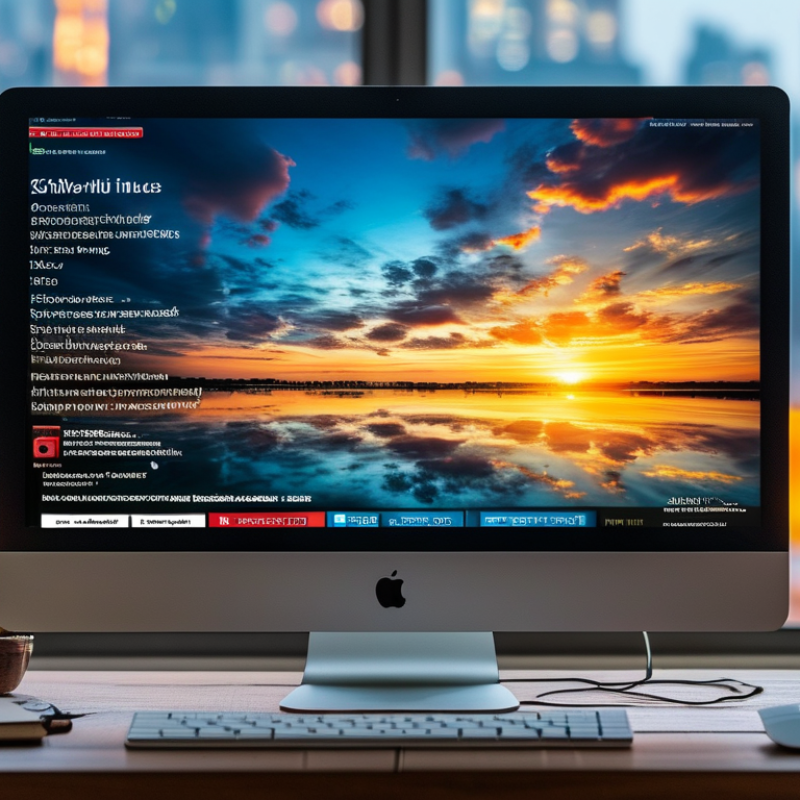
Best TFT Display Screen Options for Global Buyers?

Overview of TFT Display Technology and Its Applications

TFT (Thin-Film Transistor) displays are widely adopted due to their superior image quality and efficiency. This technology uses thin-film transistors to control individual pixels, resulting in better color reproduction and faster response times. Reports indicate that the global TFT display market is expected to grow at a CAGR of around 5% through 2025, with a booming demand in sectors like automotive and consumer electronics.

One notable advantage of TFT displays is their versatility in various applications. They are commonly used in smartphones, tablets, and televisions. In fact, the smartphone segment alone accounted for approximately 40% of the total market share in 2022. Despite their benefits, challenges exist. For example, TFT displays can suffer from poor viewing angles and brightness issues compared to other technologies. These factors often necessitate further development to enhance their performance.

The need for energy-efficient displays is also critical. Studies suggest that TFT technology can consume significantly less power than traditional display methods, making it appealing for battery-operated devices. Yet, the quest for improvement continues. Manufacturers are exploring alternatives like OLEDs and microLEDs. This reflects a broader trend towards innovation in display technologies, driven by consumer demand for high-quality, energy-efficient devices.

Best TFT Display Screen Options for Global Buyers - Overview of TFT Display Technology and Its Applications

Display Type Screen Size (inches) Resolution Brightness (nits) Application
TFT-LCD 5.0 720 x 1280 500 Smartphones
TFT-LCD 10.1 1920 x 1200 400 Tablets
TFT-LCD 15.6 1920 x 1080 300 Laptops
TFT-LCD 23.8 2560 x 1440 350 Monitors
TFT-LCD 32.0 3840 x 2160 250 Televisions

Key Features to Consider When Choosing a TFT Display

When choosing a TFT display, several key features are crucial for optimal performance. One important aspect is the screen resolution. Higher resolution screens provide clearer images, which is essential for applications requiring detailed visuals. Industry reports indicate that 1080p resolution is becoming the standard for mid-range devices, ensuring good quality without being overly costly.

Another consideration is brightness and contrast ratio. A display with high brightness levels is critical for outdoor use. Contrast ratio impacts how well colors appear on the screen. For instance, a contrast ratio of 1000:1 is considered good, offering vibrant color reproduction. Think about your environment when making a choice.

Viewing angles also play a significant role. A TFT display with good viewing angles allows multiple people to see the screen clearly. Displays with an angle of at least 160 degrees are generally recommended.

Getting the right specifications is vital. Poor choices can lead to disappointment. Take time to compare options and read user feedback for valuable insights. This can prevent costly mistakes in the future. Evaluating the dimensions and weight is also wise, especially if portability is a concern. Consider what fits best in your context.

Comparative Analysis of Popular TFT Display Brands

TFT (Thin Film Transistor) displays are pivotal in various industries, including consumer electronics and automotive. A recent report by Display Supply Chain Consultants highlighted that the global TFT display market is projected to reach $160 billion by 2024. This signals a growing demand among manufacturers for high-quality, reliable display solutions.

Key players in the TFT market are continuously innovating. For example, many brands are focusing on reducing power consumption while enhancing color accuracy. A comparative analysis indicates that displays with a response time of under 10 ms are increasingly preferred for applications requiring quick refresh rates, such as gaming and mobile devices. Some manufacturers have struggled to maintain consistency in quality as they scale up production. This inconsistency can hinder user experience.

Moreover, durability is a critical factor. Reports suggest that displays rated for over 50,000 hours of life are ideal for industrial usage. However, there are still discrepancies in warranty offerings among brands. Buyers should consider not only the display's specifications but also the brand's track record. Many consumers report confusion over performance metrics. This reflects a need for clearer communication from manufacturers regarding their products' capabilities.

Global Market Trends and Demands for TFT Displays

The global market for TFT displays has been growing steadily. Several factors drive this increase, including technological advancement and rising consumer demands. Industries like automotive, healthcare, and consumer electronics are seeking high-resolution screens. They require displays that offer vibrant colors and energy efficiency.

Consumer preferences have rapidly shifted towards portable and multifunctional devices. Buyers now seek TFT displays that are lightweight and offer enhanced touch sensitivity. These trends reflect a broader movement toward personalization in technology. Manufacturers are adapting to these shifts, but some may struggle to balance quality and cost.

When selecting TFT displays, consider the intended use. Different applications require specific features. Pay attention to screen size and resolution to meet user expectations. Additionally, explore the latest trends in touchscreen technology. Evaluating these factors ensures that you choose the right display, but it's essential to remain aware of evolving market demands.

Future Innovations in TFT Display Technology

TFT display technology has come a long way and continues to evolve, offering innovative features for various applications. Recent advancements focus on improving color accuracy and refresh rates. Next-generation TFT displays promise better viewing angles and energy efficiency, addressing the needs of modern consumers.

As industries demand higher performance, manufacturers are exploring new materials. Flexible displays are gaining attention, allowing screens to bend without compromising quality. This could revolutionize device design, making electronics more portable and user-friendly. The incorporation of artificial intelligence into display technology is also on the rise. AI can optimize brightness and color settings based on ambient conditions, enhancing user experiences.

Investing in quality TFT displays may require careful research. Look for models with high color gamut support. Understanding panel types, like IPS or VA, can guide your selection. Additionally, exploring user reviews can provide practical insights. Balancing features and budget will help in making an informed decision. Consider future-proofing your choice, as technology rapidly changes.

FAQS

: What are the main advantages of TFT displays?

: TFT displays offer superior image quality, better color reproduction, and faster response times. They are widely used in various devices.

In which industries are TFT displays most commonly used?

They are primarily found in smartphones, tablets, televisions, and automotive technology. Their versatility makes them essential across these sectors.

What challenges do TFT displays face?

Poor viewing angles and brightness issues are notable challenges. These can impact user experience and call for ongoing improvements in technology.

How do TFT displays compare to traditional display methods in terms of energy use?

TFT technology typically consumes less power than traditional displays. This efficiency is particularly beneficial for battery-operated devices.

What is the growth forecast for the global TFT display market?

The market is projected to grow at a CAGR of around 5% through 2025, reflecting increasing demand across various industries.

What should buyers consider when selecting a TFT display?

Buyers should focus on screen size, resolution, and application needs. These factors help match the right display to user expectations.

What trends are influencing consumer preferences for TFT displays?

There is a growing demand for lightweight, multifunctional devices with enhanced touch sensitivity. Personalization in technology drives these changes.

What common issues do manufacturers face in TFT display production?

Some manufacturers struggle with maintaining consistent quality as they scale production, which can negatively affect user experience.

How important is display durability in certain industries?

Durability is crucial, especially for industrial applications. Displays rated for over 50,000 hours are considered ideal for such environments.

Why might consumers feel confused over TFT display performance metrics?

Many consumers report confusion due to inconsistent communication from manufacturers about their display products' capabilities and specifications.

Conclusion

The article provides a comprehensive overview of TFT display technology, emphasizing its diverse applications across various industries. Key features such as resolution, brightness, response time, and power consumption are crucial when selecting a TFT display screen, as they significantly impact user experience.

Furthermore, a comparative analysis of popular TFT display brands highlights the competitive landscape, with specific attention given to the factors influencing buyer preferences. The article also examines global market trends, revealing increasing demands for high-quality TFT displays driven by advancements in technology and consumer expectations. Looking ahead, future innovations in TFT display technology promise to enhance performance, offering even more options for global buyers seeking reliable and efficient display solutions.

Mason

Mason

Mason is a seasoned marketing professional with a deep expertise in the company's offerings and a passion for driving brand awareness. With a strong background in digital marketing strategies, he has an innate ability to connect with diverse audiences and effectively communicate product benefits.......