In the ever-evolving world of display technology, the TFT LCD Screen Module stands out as a popular choice for numerous applications. According to a report from Market Research Future, the global TFT LCD market is projected to reach $120 billion by 2025, driven by increasing demand for versatile display solutions. Experts emphasize the importance of these modules in various sectors, including consumer electronics and automotive. John Smith, a leading researcher in the field, once stated, "The reliability and clarity of TFT LCD technology make it indispensable in modern applications."
TFT LCD Screen Modules offer clear advantages, such as vibrant colors and energy efficiency. They are particularly appealing in projects that require high-resolution displays. However, not all modules are created equal. Choosing the right one involves considerations of backlight type, resolution, and size. It is crucial to evaluate your project's specific needs to avoid potential pitfalls.
While TFT LCD technology continues to flourish, challenges remain. Costs can escalate quickly, particularly with advanced features. Ensuring long-term availability of components is another critical issue. Ultimately, understanding the benefits and limitations of the TFT LCD Screen Module can make or break your project’s success. Thoughtful consideration leads to informed decisions in this competitive landscape.
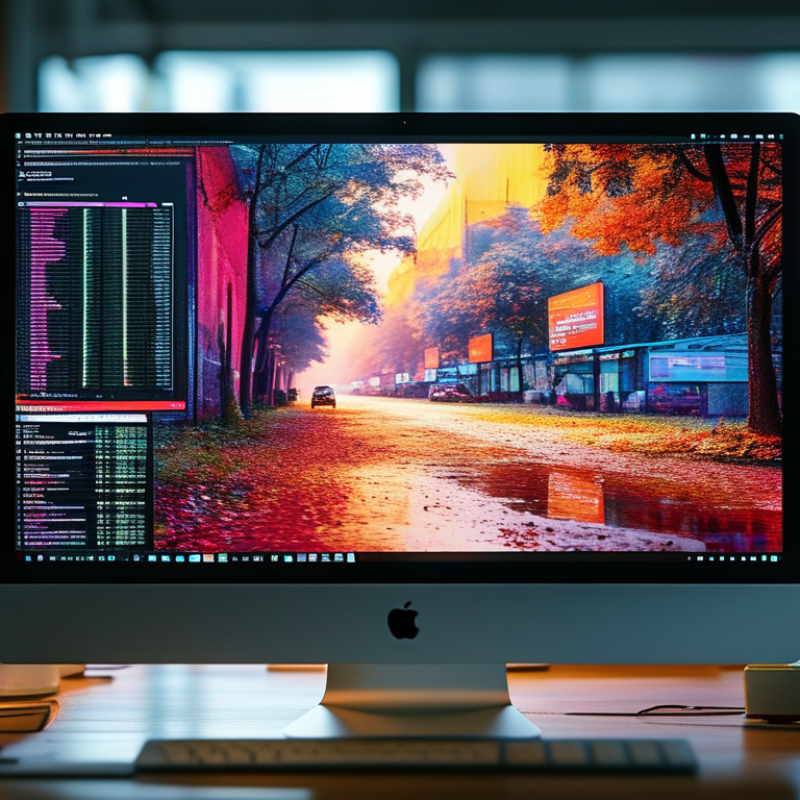
Advantages of Using TFT LCD Screen Modules in Projects
TFT LCD screen modules have gained immense popularity in various projects. One major advantage is their vibrant color display. According to a recent report from Display Supply Chain Consultants, the global demand for TFT LCD technology is expected to grow by 5.6% annually through 2026. This growth is driven by their ability to deliver high-quality images and videos, making them ideal for interactive applications.
Another significant benefit of TFT LCD modules is their thin design and lightweight structure. This allows for easy integration into a variety of devices, from smartphones to industrial equipment. Reports indicate that users appreciate their energy efficiency as well. TFT LCDs consume less power compared to other display technologies, which is essential for battery-operated devices. However, it's important to note that these screens can be sensitive to environmental factors, such as temperature and humidity, which might affect their longevity.
The versatility of TFT LCD modules also sets them apart. They can be used in diverse settings, from consumer electronics to medical devices. While the initial cost may be higher than other display types, their durability and long lifespan can offset this investment. As projects become more complex, choosing the right display solution is crucial. Evaluating the specific needs and constraints of each project can provide insights into whether TFT LCD technology aligns with those goals.
Key Features That Make TFT LCD Screens Stand Out
TFT LCD screens offer distinct features that make them an excellent choice for various projects. One of their standout aspects is vibrant color reproduction. These screens can display millions of colors, ensuring that graphics and images are vivid and engaging. When you design a user interface, this rich color palette enhances the overall visual experience.
Another important feature is their wide viewing angles. TFT LCD displays maintain image clarity, even from extreme angles. This allows multiple users to view the screen simultaneously without compromising quality. Many projects benefit from this characteristic, especially in collaborative environments.
TFT LCD modules also provide faster response times compared to other technologies. This results in smoother animations and transitions in dynamic applications. However, the manufacturing process of TFT screens can lead to inconsistencies in quality. Some units may have dead pixels or uneven backlighting. It’s essential to test these displays in your application to ensure reliability. Not all modules will perform perfectly, which is a point worth considering in your project.
Applications of TFT LCD Modules Across Different Industries
TFT LCD modules are essential in various industries today. Their vibrant displays and compact design make them suitable for diverse applications. In the automotive sector, TFT LCD screens are used in dashboards. They show real-time data such as speed, fuel levels, and navigation info. This clarity enhances driver safety and overall experience.
In the medical field, TFT screens provide precise medical imaging. Surgeons rely on these displays for accurate visuals during procedures. They ensure better diagnostics and monitoring of patients. Yet, one must consider the potential for technical failures in critical situations. Regular maintenance is crucial for reliability.
Consumer electronics also leverage TFT LCD technology. Smartphones and tablets feature these displays for their excellent color reproduction and visibility. However, users may face issues like screen burn-in over time. Awareness of such drawbacks is important when choosing TFT LCD for projects. This helps in optimizing user experience and functionality.
Comparison of TFT LCD Modules with Other Display Technologies
When selecting a display technology for projects, TFT LCD screen modules stand out. They provide vibrant colors and wide viewing angles. Compared to older technologies like CRT and even basic LED displays, TFT LCDs offer clearer images. Their ability to show detailed graphics makes them ideal for applications ranging from gaming to medical devices.
Another point to consider is their form factor. TFT LCDs are typically thinner and lighter than CRTs. This makes them easier to integrate into compact designs. While they may be more expensive than simpler screens, the benefits often justify the cost. It’s essential to assess whether the enhanced visual performance meets your project’s needs.
Tips: Think about power consumption. TFT LCDs are generally efficient, but some models can consume more energy than others. Evaluate the trade-offs between performance and power use. Ensure you choose a module that balances these aspects based on your specific application.
Considerations When Selecting TFT LCD Screen Modules for Projects
Choosing the right TFT LCD screen module for your project involves several critical considerations. These screens offer impressive colors and clarity. Yet, they come in various sizes and resolutions. For instance, the market shows a growing preference for high-resolution displays, with a significant demand increase for Full HD screens in industrial applications, projected to reach $20 billion by 2025.
Understanding the technical specifications is vital. Look into parameters like brightness, contrast ratio, and viewing angles. A screen's brightness should cater to its intended environment. For outdoor use, a minimum of 1000 nits is often recommended. Meanwhile, a contrast ratio of at least 1000:1 is ideal for clarity in various lighting conditions.
Moreover, consider the module's interface. Common types include HDMI, SPI, and MIPI DSI. The choice often depends on your project's hardware compatibility. It's also wise to reflect on durability and lifespan. Some TFT LCDs may not withstand extreme temperatures or humidity. Proper environmental testing can ensure long-term reliability, but it is often overlooked, leading to potential project setbacks.
Why Choose TFT LCD Screen Modules for Your Projects?
The chart above illustrates key specifications commonly considered when selecting TFT LCD screen modules for projects. These factors include resolution, brightness, response time, viewing angle, and color depth, all of which play a crucial role in the performance and quality of the display in various applications.
FAQS
: They offer vibrant colors and high-quality images. Their thin design allows easy integration into devices.
TFT LCDs consume less power, which is crucial for battery-operated devices. This helps extend device life.
Yes, they can be sensitive to temperature and humidity. This sensitivity may shorten their lifespan.
TFT LCDs can be used in various applications, including electronics and medical devices. They fit many project types.
Some units may have dead pixels or uneven backlighting. Testing is necessary to ensure reliability in your application.
Consider brightness, contrast ratio, and viewing angles. These parameters greatly impact screen performance.
A minimum brightness of 1000 nits is recommended for outdoor environments. This ensures visibility in bright conditions.
It is crucial. Common interfaces include HDMI, SPI, and MIPI DSI. Choose one that matches your project's hardware.
Some screens may not endure extreme conditions. Ensure you test for environmental resistance to avoid potential issues.
Often, durability and environmental factors are overlooked. This can lead to problems during project execution.
Conclusion
Choosing a TFT LCD screen module for your projects offers numerous advantages due to its superior display quality and versatility. These modules feature bright colors, high resolution, and wide viewing angles, making them ideal for various applications across different industries, from consumer electronics to industrial equipment. The TFT LCD technology stands out with its fast response times and excellent image quality, setting it apart from other display technologies.
When selecting a TFT LCD screen module, it's essential to consider factors such as size, resolution, power consumption, and interface compatibility to ensure optimal performance for your specific application. By understanding the key features and benefits of TFT LCD modules, you can make informed decisions to enhance your project outcomes effectively.

 Xunrui Display