Choosing the right TFT color screen can profoundly impact your project. Accurate color representation and responsiveness are crucial for various applications. According to recent industry reports, the global TFT LCD market is expected to reach $122 billion by 2026, reflecting growing demand.
When selecting a TFT color screen, consider key factors such as resolution, size, and viewing angle. A display with a higher resolution can enhance detail and clarity, especially in high-definition applications. Industry data shows that user preferences vary widely, indicating the need for tailored choices.
Moreover, reliability is paramount. Users often overlook the screen's durability and environmental resistance attributes. A cheaper option may save money initially but could lead to higher replacement costs and issues later. Reflecting on these aspects is vital in making a knowledgeable decision. Select the best TFT color screen for your specific needs to ensure long-term satisfaction and effectiveness.
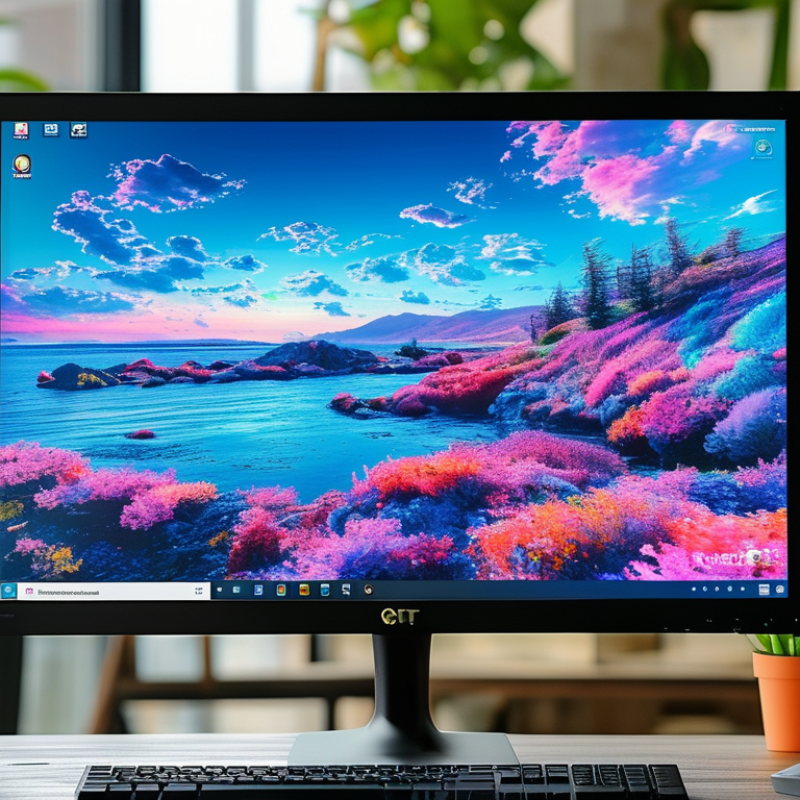
Understanding TFT Color Screen Technology and Types
TFT color screens, or Thin Film Transistors, have revolutionized display technology. They provide vibrant colors and sharp images. Understanding their types is essential for making the right choice. Common types include IPS, VA, and TN. Each type has its strengths and weaknesses. IPS panels are excellent for color accuracy, while TN panels are known for faster response times. VA panels often provide better contrast.
When selecting a TFT screen, consider your needs. If you use it for professional design work, choose an IPS panel. For gaming, a TN panel could be more suitable. Be mindful of viewing angles and response times. These factors can significantly affect your experience. Not everyone needs the same features, and some might prioritize cost over quality. Missing these details could lead to disappointment.
Many screens can appear impressive in stores, but real-world use may differ. Brightness and color consistency can vary. Understand that specifications alone don’t tell the full story. Users often report issues only after purchase. It's vital to research and read reviews. Your needs and expectations should drive your decision-making process.
Key Features to Consider When Choosing a TFT Color Screen
When choosing a TFT color screen, various key features can significantly impact your experience. Consider the screen resolution first. A higher resolution offers sharper images and smoother visuals. For basic tasks, a lower resolution may suffice. However, for gaming or design work, opt for at least Full HD.
Another essential factor is the screen size. Larger screens provide a better viewing experience, but they may not fit your workspace. Balance is crucial here. Next, think about the brightness levels. A brighter screen is better for well-lit environments. If you are in a dim space, you might manage with less brightness.
Touch functionality can be beneficial, especially for interactive applications. However, it can also complicate usage for some. Don’t overlook color accuracy either; poor color representation can hinder projects dependent on precision. Lastly, connectivity options matter. An adequate number of ports ensures compatibility with other devices. Reflect on your specific needs and how each feature aligns with them. The perfect screen for one may not suit another's requirements. Choose wisely.
Assessing Screen Size and Resolution for Your Needs
When choosing a TFT color screen, screen size and resolution are critical. A study by DisplayMetrics indicates that 75% of consumers prioritize these features in their purchasing decisions. Screen size greatly affects user experience. A 7-inch display may suffice for compact devices, while 10-inch or larger screens enhance viewing for multimedia applications. Comfort and usability should guide your choice.
Resolution plays a pivotal role. A higher resolution provides clearer images. For example, Full HD (1920x1080) is standard for many applications, particularly where detail is paramount. However, higher resolutions like 4K (3840x2160) offer even finer clarity. It’s important to ensure your content can take advantage of these resolutions. Some users find that they cannot perceive differences in quality at typical viewing distances. This highlights the need for thoughtful consideration of both resolution and use case.
Not every situation demands the highest specs. Budget constraints often require compromises. Smaller screens can offer satisfactory resolution at a lower cost. Additionally, consider screen pixel density. A display with 300 PPI may provide a better experience than one with 150 PPI at the same size. Balancing these elements requires reflection on how the screen will be used. Assessing your priorities is vital to making an informed choice.
How to Choose the Best TFT Color Screen for Your Needs? - Assessing Screen Size and Resolution for Your Needs
| Screen Size (inches) |
Resolution |
Aspect Ratio |
Best Usage Scenario |
| 5.5 |
1080 x 1920 |
16:9 |
Smartphones |
| 7.0 |
1280 x 800 |
16:10 |
Tablets |
| 10.1 |
1920 x 1200 |
16:10 |
Portable Displays |
| 15.6 |
1920 x 1080 |
16:9 |
Laptops |
| 24.0 |
2560 x 1440 |
16:9 |
Desktop Monitors |
| 32.0 |
3840 x 2160 |
16:9 |
Large Displays |
Evaluating Display Performance: Brightness, Contrast, and Color Reproduction
When selecting a TFT color screen, evaluating display performance is crucial. Brightness is often measured in nits. A common standard is 250 to 300 nits for indoor displays. However, outdoor screens typically require more than 1000 nits to combat ambient light. Many users overlook this need, leading to poor visibility in bright conditions.
Contrast ratio also plays a significant role in the viewing experience. A ratio of 1000:1 is generally acceptable. Yet, many high-quality screens boast ratios exceeding 3000:1. This difference can significantly affect how vivid and detailed images appear. It often seems trivial but can impact your daily use profoundly.
Color reproduction is another area to consider. Many displays cover about 72% of the NTSC color space. However, professional applications may require screens that cover 95% or more. An inadequate color range can lead to disappointing results, especially for graphic design or photography. It’s essential to assess your specific needs against what various displays can offer.
Evaluating TFT Screen Performance
Budget Considerations and Brand Recommendations for TFT Displays
When selecting a TFT color screen, budget considerations are paramount. A well-defined budget allows you to filter options effectively. There are affordable models that offer decent performance. However, investing a bit more can lead to a significant upgrade in display quality. Keep an eye on features like resolution and brightness, which are crucial for optimal display.
Brand recommendations matter in the world of TFT displays. Established brands often provide better support and reliability. They may offer warranties or user help, which is valuable. But, be cautious as not all premium brands guarantee exceptional products. Sometimes, lesser-known brands provide surprisingly good options. Read user reviews and compare specs before making a decision.
Your choice might not always meet expectations. Users often have mixed feelings about their purchases. Some screens may fall short in color accuracy or response time. It's important to weigh your specific needs against potential downsides. This is a journey of trial and error, requiring research and reflection. Remember, the perfect screen is often elusive.
Conclusion
When selecting the best TFT Color Screen for your needs, it's essential to understand the underlying technology and the various types available on the market. Key features to consider include clarity, color accuracy, and overall performance, which are crucial for ensuring that the display meets your specific requirements. Screen size and resolution also play a significant role; choosing the right dimensions can greatly enhance your viewing experience.
Additionally, evaluating the display performance factors such as brightness, contrast, and color reproduction is vital in determining the suitability of a TFT Color Screen for various applications. Lastly, it's important to consider your budget while exploring options and to compare models from different manufacturers to make an informed decision. By weighing these aspects carefully, you can find a TFT Color Screen that perfectly aligns with your expectations and requirements.

 Xunrui Display