When considering the purchase of Color TFT LCD screens, several factors come into play. These screens are widely used across various industries, from consumer electronics to medical devices. As David Chen, a leading expert in display technologies, stated, “Choosing the right Color TFT LCD screen can be the difference between success and failure in product design.”
The importance of selecting the right screen cannot be overstated. Color TFT LCD screens offer enhanced brightness and color accuracy, making them ideal for vibrant displays. However, not all screens are created equal. Different specifications, such as resolution and viewing angles, significantly impact performance. Understanding these details is crucial, yet many buyers overlook them.
Additionally, reliability is a key concern. Some screens may not perform well under certain conditions, leading to potential failures. Buyers should pay attention to customer reviews and expert opinions. Many products in this market fall short of expectations, making due diligence necessary. In a competitive landscape, knowing what to prioritize in a Color TFT LCD screen can help ensure optimal outcomes.
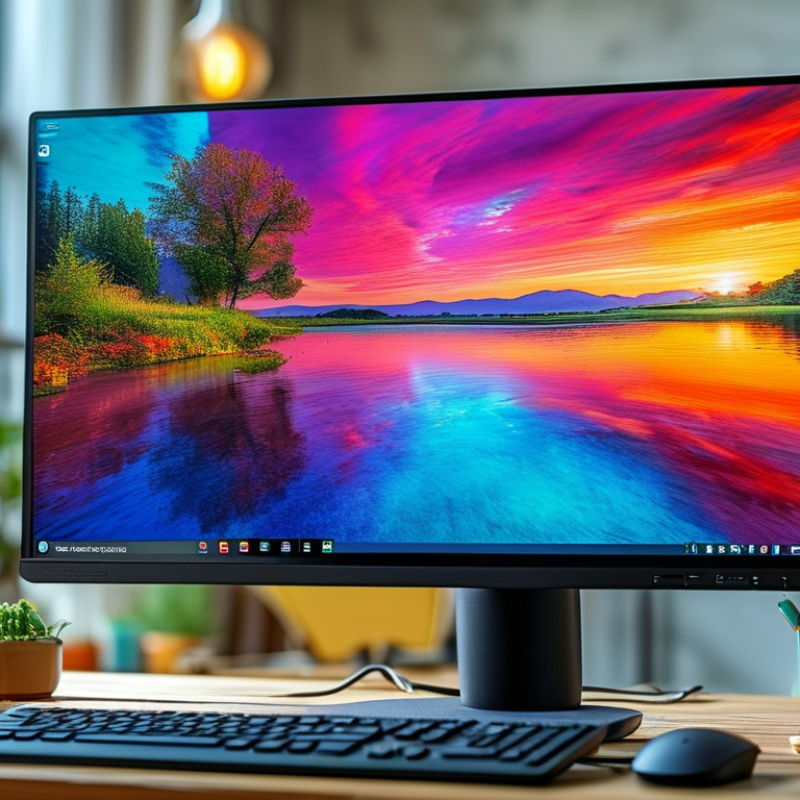
Understanding the Basics of Color TFT LCD Technology
Color TFT LCD technology is prevalent in modern displays. Understanding its fundamental aspects helps consumers make informed decisions.
Thin-Film Transistor (TFT) technology enhances screen performance. It supports vibrant colors and sharp images. This technology significantly boosts image quality compared to older technologies.
When assessing color TFT LCD screens, resolution is critical. A higher resolution means clearer images.
For instance, 1920 x 1080 offers much more detail than a standard resolution. Additionally, viewing angles impact the overall experience. Good screens maintain color accuracy and brightness from various angles. Unfortunately, some cheaper models can fail this test.
Another factor to consider is the response time. Faster response times prevent motion blur. This is essential for gamers and video enthusiasts. Ultimately, color quality also deserves attention. Saturated colors elevate viewing pleasure but can be misleading.
Sometimes, overly vivid screens may seem unnatural. Reflecting on your usage helps narrow down your choice effectively.
Key Specifications to Evaluate Before Purchase
When considering a color TFT LCD screen, evaluating key specifications is crucial. Resolution plays an essential role in image clarity. A higher resolution offers sharper images with more detail. For professional use, a Full HD (1920x1080) or higher resolution is preferred. According to industry data, over 75% of users reported better satisfaction with higher-resolution screens.
Color accuracy is another critical specification. Look for screens with a wide color gamut. Reports indicate that devices covering up to 99% of sRGB spectrum yield more vibrant colors. Test results show significant differences in color reproduction quality. Poor color accuracy can affect the overall viewing experience, leading to dissatisfaction.
Response time and refresh rate also matter, particularly for gaming and video applications. A response time under 5 ms is ideal for fast-paced content. Meanwhile, a refresh rate of 60Hz or higher is recommended. Data illustrates that screens with lower latency provide a smoother experience. However, some users may notice speed differences with displays above 60Hz. Balancing these specifications can be tricky. Always consider how each feature aligns with your specific needs before making a decision.
Assessing Display Quality: Brightness, Contrast, and Color Accuracy
When selecting a color TFT LCD screen, display quality is paramount. Key aspects include brightness, contrast, and color accuracy. Studies show that ideal brightness levels should range from 300 to 600 nits. Screens exceeding this range provide better visibility in bright environments. However, excessive brightness can lead to faster eye fatigue.
Contrast ratio significantly impacts how vivid images appear. A higher contrast ratio indicates deeper blacks and brighter whites. For instance, a ratio of 1000:1 is generally accepted as good. Yet, actual viewing experiences can vary based on ambient light and screen settings. It's crucial to test screens in different conditions to find a suitable match for individual needs.
Color accuracy measures how true a display represents colors. Professional monitors often aim for a Delta E value below 2 for precise color fidelity. However, production displays often fall short. Variability may arise from manufacturing inconsistencies. This gap highlights the importance of reviewing calibration reports. Ultimately, understanding these factors ensures a more informed purchase decision.
What to Consider When Buying Color TFT LCD Screens?
| Feature |
Description |
Recommended Value |
| Brightness |
Measured in nits, indicates the luminance of the display. |
300-1000 nits |
| Contrast Ratio |
The ratio of the luminance of the brightest white to the darkest black. |
1000:1 or higher |
| Color Accuracy |
The degree to which the displayed colors match the original source colors. |
ΔE < 2 |
| Viewing Angle |
The maximum angle at which the display can be viewed without a significant loss of quality. |
178 degrees |
| Response Time |
The time taken for a pixel to change from one color to another. |
5 ms or lower |
| Refresh Rate |
The number of times the display updates per second. |
60 Hz or higher |
Compatibility and Connectivity Options for LCD Screens
When selecting color TFT LCD screens, compatibility and connectivity are crucial considerations. Many devices utilize different connection standards. For example, HDMI, VGA, and DisplayPort are common interfaces. A report from the Consumer Electronics Association highlights that nearly 70% of new displays adopt HDMI due to its versatility and high-definition support.
It’s essential to understand your existing hardware. Will the screen connect smoothly with your computer or gaming console? Compatibility issues can lead to frustrating setups. For example, older systems may not support newer HDMI standards, causing limits in resolution. Such gaps can impact your viewing experience.
Another aspect to consider is the range of resolutions offered by different screens. A majority of consumers overlook this detail. A 2022 survey by DisplaySearch revealed that around 40% of users buy screens without verifying resolution compatibility. Choosing the correct resolution ensures that you harness the full potential of your setup. Think about your future needs as well. The right choice today can improve performance for years to come. Consider these factors carefully for a satisfying purchase.
Budget Considerations and Cost-Effectiveness Analysis
When purchasing color TFT LCD screens, budget considerations are paramount. Understanding the price range of these screens is crucial. Industry reports indicate that high-quality TFT LCDs can range from $50 to $500, depending on size and resolution. Cheaper options may save money upfront but often lack essential features. This could lead to higher costs in the long run due to repairs or replacements.
Analyzing cost-effectiveness involves evaluating performance against the price. For example, a study from Display Industry Insights shows that screens with wide viewing angles and high color accuracy provide better value. Investing in a mid-range screen could enhance user experience without overspending. However, it's important to reflect on what features align with your specific needs. Sometimes, a screen that seems affordable may not meet long-term expectations. These factors may lead to reconsideration of budget and value over time.
Conclusion
When considering the purchase of a Color TFT LCD Screen, it's essential to understand the fundamental technology behind it, including how it impacts display quality. Key specifications such as resolution, refresh rate, and power consumption should be evaluated carefully. Additionally, factors like brightness, contrast, and color accuracy play a significant role in determining the overall display quality, which can affect user experience significantly.
Compatibility and connectivity options are also crucial, as they ensure the screen can integrate seamlessly with other devices. Finally, budget considerations must not be overlooked; analyzing cost-effectiveness can help buyers choose a Color TFT LCD Screen that meets their needs without exceeding their financial limitations. By weighing these factors, potential buyers can make informed decisions when selecting the right screen for their requirements.

 Xunrui Display