In the rapidly evolving world of display technology, the TFT LCD Display Module has become a critical component in various applications. According to a recent industry report, the demand for TFT LCD displays is projected to grow by 5.6% annually through 2026. This growth is driven by the increasing need for high-resolution displays in consumer electronics and automotive industries. Experts emphasize that choosing the right TFT LCD Display Module can influence product performance significantly.
Dr. Emily Chen, a leading authority in display technology, stated, "Understanding the specific requirements of your application is vital when selecting a TFT LCD Display Module." When considering factors such as resolution, brightness, and power consumption, decision-makers often face challenges. The variety of available modules can overwhelm; hence, clarity in requirements is essential.
Prioritizing quality and reliability is crucial. Poor choices can lead to suboptimal user experiences and costly replacements. Therefore, aligning display module selections with technological advancements is not just beneficial; it’s necessary for staying competitive in the market. As we explore how to choose the best TFT LCD Display Module, these insights and expert opinions will guide us in making informed decisions.
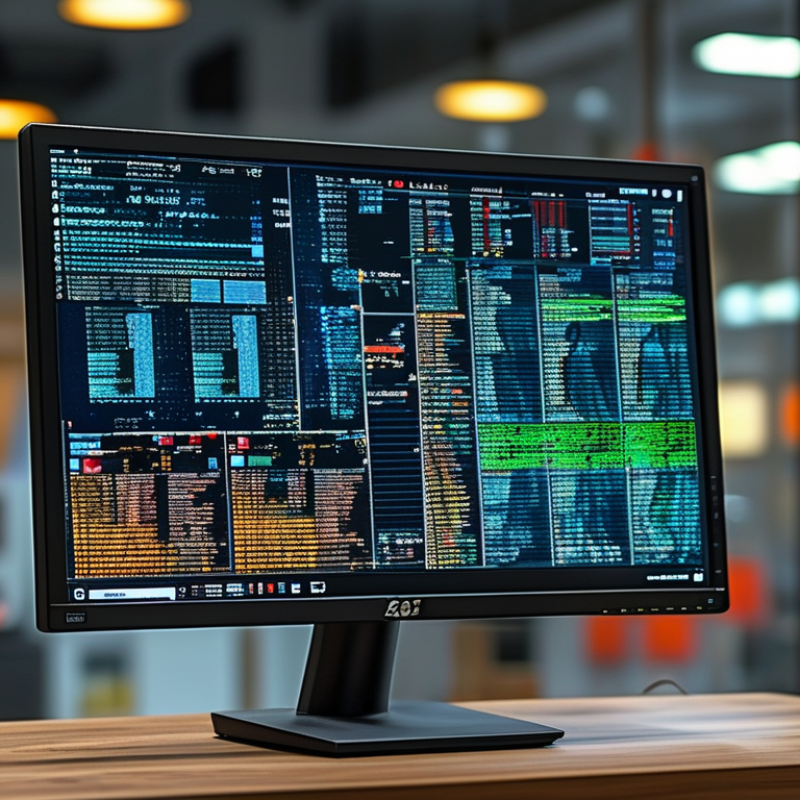
When it comes to TFT LCD display modules, understanding the basics is crucial. TFT stands for Thin Film Transistor, a technology that enhances the display's quality and responsiveness. These modules contain a thin film of transistors that control individual pixels. They offer better image quality than older technologies, with vibrant colors and sharp images. Knowing how to evaluate these modules is essential.
Another important aspect is the resolution of the display. Higher resolution means more pixels, resulting in clearer images. Consider the viewing angles as well. Some displays may appear washed out from certain perspectives. Factors like brightness and contrast ratios also play a key role in performance. A bright display may be useful in well-lit environments, while contrast can impact how dynamic the colors appear.
Lastly, think about the application for your display module. Different uses require different specifications. A module for a handheld device may need to be lightweight and compact. In contrast, an industrial application may prioritize durability. Review your needs carefully to choose the right module. Reflecting on these details can help guide your decision-making process effectively.
When selecting a TFT LCD display module, consider key specifications for optimal performance. The resolution is crucial. Higher resolution offers clearer images and better detail. A 1920x1080 resolution is common in many displays. However, if the resolution is too high, it may impact processing speed.
Brightness is another essential factor. A display with at least 300 nits ensures visibility in various lighting conditions. Yet, too much brightness can lead to eye strain. Balance is critical. Many users overlook glare reduction. Choose a module with anti-glare features to enhance usability.
**Tips:** Always check the viewing angle. A wider angle improves visibility from different positions. Pay attention to color accuracy as well. Some modules excel in color rendition, while others do not.
Lastly, the interface type matters. Ensure compatibility with your project’s requirements. Familiarize yourself with options like HDMI, LVDS, or MIPI. This can save you time and avoid frustration later. Each choice has its advantages and drawbacks. Engage with forums for advice. Real-world experiences can guide you.
When evaluating a TFT LCD display module, performance and image quality are crucial factors to consider. Brightness is vital for visibility in various environments. A higher brightness rating enhances visibility, but excessive brightness may lead to eye strain. It's essential to find a balance.
Color accuracy is another key aspect. A display that reproduces colors authentically will enhance user experience. Look for specifications that indicate color gamut coverage. However, understanding the limitations of color perception is important. Not every user perceives color the same way, leading to subjective experiences.
Response time should not be overlooked, especially for dynamic content. Fast response times reduce blurring when displaying moving images. Too slow a response can negatively impact video playback. It's worth noting that manufacturers sometimes provide ideal conditions that may not apply in real-world use. Thus, testing displays under typical usage scenarios is advisable.
| Factor | Description | Example Values |
|---|---|---|
| Resolution | The number of pixels displayed on the screen. | 1920 x 1080 (Full HD), 2560 x 1440 (QHD) |
| Brightness | Measured in nits, higher brightness improves visibility in bright conditions. | 300 nits, 600 nits |
| Contrast Ratio | The ratio between the darkest black and the brightest white. | 1000:1, 3000:1 |
| Response Time | Speed at which a pixel can change from one color to another. | 5 ms, 1 ms |
| Viewing Angle | The maximum angle at which the display can be viewed without losing color accuracy. | 178°/178° |
| Color Gamut | The range of colors that can be displayed. | sRGB, Adobe RGB |
When choosing a TFT LCD display module, compatibility with your project requirements is crucial. Start by identifying your project's specific needs. Consider factors like resolution, display size, and power consumption. Do you need a high-resolution display for detailed visuals? Or, is a simple screen sufficient for basic information?
Tips: Check the display's interface compatibility with your hardware. Many modules use common interfaces like SPI or I2C. Ensure your microcontroller or other devices support these standards. This will save time and avoid integration issues later.
Evaluate the environmental conditions where the display will operate. Will it be exposed to direct sunlight, or does it need to function in low-light settings? Understanding these aspects helps to select backlight brightness and contrast ratios effectively. Also, reflect on the durability of the module, especially if it needs to withstand physical stress.
Tips: Take note of the viewing angles. A module with limited angles may not work well in certain installations. Test different models to see which one provides the clarity and visibility that fits your needs.
When choosing a TFT LCD display module, evaluating manufacturer reputation and support services is vital. A reliable supplier ensures product quality and service longevity. According to a recent industry report, 70% of users cite post-sale support as a critical factor in their purchasing decisions. Good reputation often correlates with the durability of display modules, which is essential for reducing long-term costs.
Selecting a manufacturer with a strong reputation can provide peace of mind. Reports show that companies with excellent support services see a 25% higher customer retention rate. Look for manufacturers that offer extensive technical documentation and responsive customer service. This ensures not only immediate assistance but also long-term maintenance of the display modules.
However, not all manufacturers meet these standards. Poor support can lead to frustration and increased downtimes. Some users report silent support lines and lack of knowledgeable staff. Reflecting on these experiences can provide insights into what to avoid in your supplier. Thus, prioritizing manufacturers with a proven support history can drastically enhance your overall satisfaction with TFT LCD display modules.
: TFT stands for Thin Film Transistor, which enhances image quality and responsiveness.
Higher resolution provides clearer images with more detail, improving overall display quality.
Adequate brightness ensures visibility in various lighting. However, excessive brightness can cause eye strain.
Check for wider viewing angles to maintain visibility from different positions without color distortion.
Accurate color reproduction enhances user experience, but perception varies among individuals.
Faster response times reduce blurring in dynamic content, essential for smooth video playback.
Yes, anti-glare options can enhance usability and reduce distractions in bright environments.
Compatibility with your project’s requirements can save time and prevent frustration later.
Yes, not all users perceive colors the same, so subjective experiences can differ significantly.
Testing displays under typical conditions can reveal performance that manufacturers may not specify.
When selecting the best TFT LCD display module for your project, it's crucial to understand the fundamental aspects of these displays. Key specifications, such as resolution, brightness, and response time, play a vital role in determining the overall performance of the module. Evaluating display performance and image quality factors, including color accuracy and viewing angles, will ensure that the chosen module meets your visual requirements.
Additionally, compatibility with your project's specific needs is essential, as factors like interface type and physical dimensions can significantly impact the integration process. Lastly, considering the reputation of the manufacturer and the support services they offer can help you make a well-informed decision, ultimately leading to a successful implementation of the TFT LCD display module in your application.

Xunrui Display