Top Features of TFT Touch Screen for Global Buyers?

Time:2026-05-16 Author:Mason
0%

In the competitive landscape of electronics, "TFT Touch Screen" technology stands out for its clarity and responsiveness. The global market for touch screens is projected to grow significantly, with an estimated growth rate of 8.5% annually over the next five years. This surge can be attributed to the rising demand for interactive displays in various industries such as automotive, healthcare, and consumer electronics.

TFT (Thin Film Transistor) Touch Screens have become essential for enhancing user experience. They offer superior color reproduction and wide viewing angles, making them ideal for smartphones, tablets, and embedded systems. Reports indicate that manufacturers are focusing on improving durability and energy efficiency, addressing a common concern regarding screen fragility and power consumption.

While the technology is advancing, challenges remain. For instance, the rising costs of raw materials could impact pricing strategies. Buyers must navigate both the benefits and potential drawbacks of adopting TFT technology. Understanding these factors is vital for making informed purchasing decisions that align with market needs.
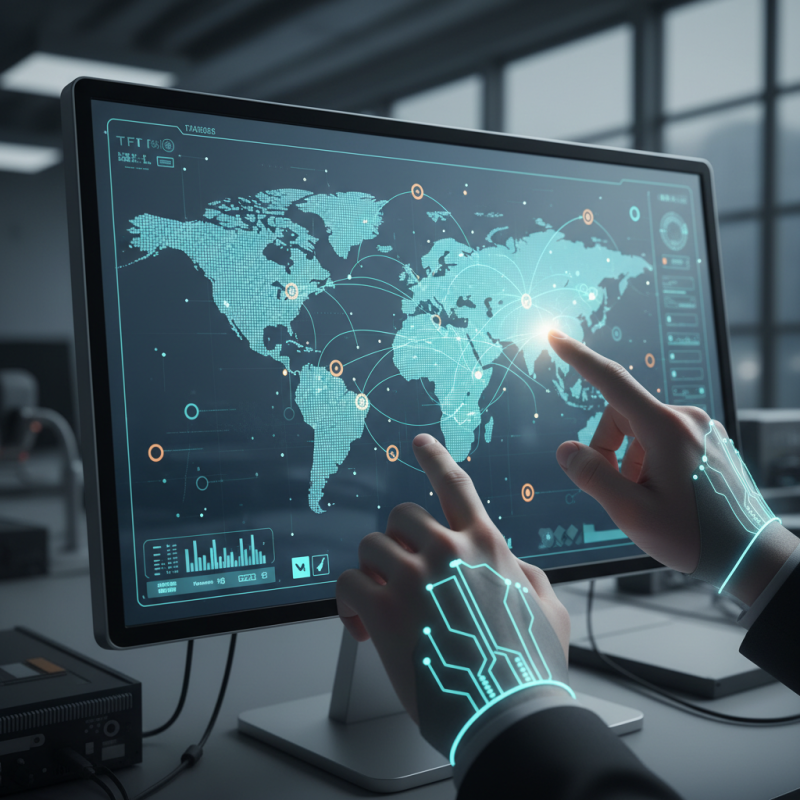
Top Features of TFT Touch Screen for Global Buyers?

Key Advantages of TFT Touch Screens in Modern Devices

TFT touch screens have become essential in modern devices. Their key advantages attract global buyers. One significant benefit is their vibrant display quality. TFT technology allows for rich colors and sharp images. This feature enhances user experience, especially for multimedia applications. Users appreciate the clarity and brightness in various lighting conditions.

Another advantage is the touch sensitivity. TFT touch screens respond quickly to input. This responsiveness makes interactions seamless and intuitive. Whether browsing apps or playing games, users enjoy smooth navigation. However, not all users are satisfied. Some might find the touch sensitivity varies with different devices. This inconsistency can be frustrating.

Additionally, TFT screens often have a more straightforward manufacturing process. This can result in lower production costs, making devices more affordable. Yet, the durability of these screens can sometimes fall short. They may be prone to scratches or damage. Users should consider protective measures to enhance longevity. Overall, TFT touch screens offer significant benefits while presenting some challenges.

Top Features of TFT Touch Screens

Understanding the Color Quality and Resolution of TFT Displays

TFT displays have gained popularity for their vibrant color quality and impressive resolution. The color reproduction is often striking, delivering rich hues and deep contrasts. This is especially important for applications like gaming and graphic design, where visual impact is crucial.

However, not all TFT screens are created equal. Some may struggle with color accuracy under different lighting conditions. Users might find that certain displays appear washed out or too bright. This inconsistency can stem from manufacturing variances. It's advisable to research specifications before making a purchase.

Resolution plays a significant role as well. Higher pixel density often leads to clearer visuals. A display with a full HD resolution can provide a sharp image, enhancing user experience. Conversely, lower resolution displays can appear blurry, diminishing the quality of content. Balancing color quality with resolution is essential for optimal performance in various applications.

The Impact of Touch Sensitivity on User Experience in TFT Screens

Touch sensitivity plays a vital role in enhancing user experience in TFT screens. Users often expect immediate responses when they interact with touch displays. A responsive touch interface allows for seamless navigation and better engagement. When touch sensitivity is optimized, users can enjoy fluid interactions, leading to greater satisfaction.

However, there are challenges. Not all screens respond uniformly. Variations in pressure sensitivity can frustrate users. Some may find that lighter touches do not register, while others may experience oversensitivity. These inconsistencies can lead to a less enjoyable experience. Effective calibration is crucial in mitigating such issues.

Moreover, ambient conditions impact touch sensitivity. Exposure to sunlight can interfere with the user’s ability to interact effectively. Dust and smudges on the screen can also hinder performance, making timely responses difficult. Thus, maintaining a clean screen is essential. Users should be aware of these factors. Understanding touch sensitivity’s impact can help them choose screens that align with their needs.

Top Features of TFT Touch Screen for Global Buyers

Feature Description Impact on User Experience
Touch Sensitivity Measures how responsive the screen is to touch inputs, usually quantified in terms of pressure sensitivity levels. Higher sensitivity enhances user interaction by providing a more fluid and immediate response to touch commands.
Resolution The number of pixels displayed on the screen, affecting clarity and detail. Higher resolutions improve visual quality, influencing user satisfaction and engagement.
Viewing Angles The maximum angle at which the screen can be viewed without significant loss of quality. Better viewing angles allow multiple users to interact or view content simultaneously, enhancing collaboration and usability.
Durability Resistance to scratches, drops, and environmental factors including moisture and dust. Increased durability prolongs the device's life, minimizing user frustration and maintenance costs.
Power Consumption The amount of power the screen requires to operate efficiently. Lower power consumption extends battery life, ensuring a better experience for mobile and portable device users.

Durability and Longevity of TFT Touch Screens for Consumers

TFT touch screens are increasingly popular among consumers for their vibrant displays and ease of use. However, one of their standout qualities is durability. In various applications, from smartphones to industrial controls, these screens must endure daily wear.

Many users appreciate that TFT screens can resist scratches and impacts better than older technologies. This makes them suitable for handheld devices and public kiosks, where frequent interaction occurs. Despite advancements, challenges remain. Over time, certain models may develop issues like screen burn or color fading. It’s important for buyers to understand these potential weaknesses.

Longevity also hinges on environmental factors. TFT screens can be sensitive to extreme temperatures and humidity. A device used outside might not last as long as one kept indoors. Regular maintenance can help sustain their lifespan. By focusing on these aspects, consumers can make informed choices about their TFT touch screen purchases.

Comparative Analysis: TFT Touch Screens vs. Alternative Technologies

When comparing TFT touch screens to alternative technologies, several key differences emerge. TFT (Thin Film Transistor) displays are known for their vibrant colors and excellent image quality. According to a report by the market research firm, IHS Markit, TFT technology holds a significant market share, constituting around 60% in the mobile device sector. These screens provide better response times and energy efficiency, making them suitable for portable devices.

On the other hand, OLED (Organic Light Emitting Diode) displays are gaining traction. They offer deeper blacks and superior contrast ratios. A study by Display Supply Chain Consultants indicates that OLED screens are projected to grow by 20% annually. However, they have their drawbacks, such as a shorter lifespan compared to TFT screens. Users may inadvertently overlook this aspect while prioritizing image quality.

In contrast, technology like LCD (Liquid Crystal Display) continues to be popular due to its affordability. LCDs are widely used in various applications, but they often fall short in viewing angles and color accuracy. As buyers evaluate their options, many fail to recognize the trade-offs involved. Making informed decisions requires a deeper understanding of each technology’s strengths and limitations.

FAQS

: What are the main advantages of TFT touch screens?

: TFT touch screens offer vibrant display quality and responsive touch sensitivity. They enhance multimedia experiences and allow for smooth navigation.

How does touch sensitivity vary among devices?

Touch sensitivity can differ across devices. Some users may experience inconsistencies, leading to potential frustration during use.

Why are TFT screens affordable?

The manufacturing process for TFT screens is often simpler. This can lead to lower production costs and more affordable devices for consumers.

What are some durability issues with TFT screens?

Although TFT screens resist scratches, they can be prone to damage. Users should consider additional protection to improve durability.

How do lighting conditions affect color quality?

Color accuracy can vary in different lighting. Some TFT displays may look washed out, impacting the viewing experience.

What role does resolution play in user experience?

Higher pixel density improves visual clarity. Full HD displays provide sharp images, while lower resolutions may appear blurry and diminish quality.

Can environmental factors impact the lifespan of TFT screens?

Yes, extreme temperatures and humidity can affect durability. Keeping devices in a stable environment extends their lifespan.

What maintenance does a TFT screen require?

Regular cleaning and protection can help maintain longevity. Awareness of potential issues like screen burn is also important for users.

Why is balancing color quality and resolution essential?

To achieve optimal performance, it's crucial to evaluate both color quality and resolution, especially for gaming or graphic design tasks.

Conclusion

The article "Top Features of TFT Touch Screen for Global Buyers" delves into the essential benefits of TFT touch screens in today's digital landscape. It highlights key advantages such as superior color quality and resolution, which enhance visual experiences in modern devices. Additionally, the article discusses the significance of touch sensitivity and its impact on user interaction, emphasizing how responsive screens can vastly improve usability.

Furthermore, the durability and longevity of TFT touch screens are explored, indicating their capability to withstand regular wear and tear, making them a reliable choice for consumers. A comparative analysis against alternative technologies showcases the unique strengths of TFT touch screens, solidifying their position as a preferred option for various applications. Ultimately, this comprehensive overview serves as a guide for global buyers seeking to understand the importance of TFT touch screens in enhancing device performance and user satisfaction.

Mason

Mason

Mason is a seasoned marketing professional with a deep expertise in the company's offerings and a passion for driving brand awareness. With a strong background in digital marketing strategies, he has an innate ability to connect with diverse audiences and effectively communicate product benefits.......