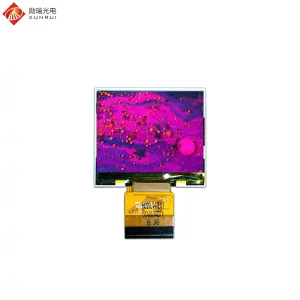
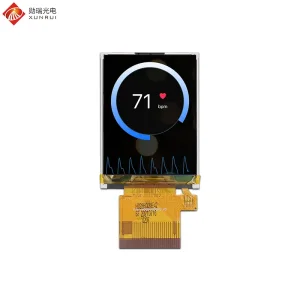
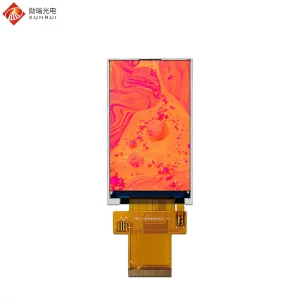
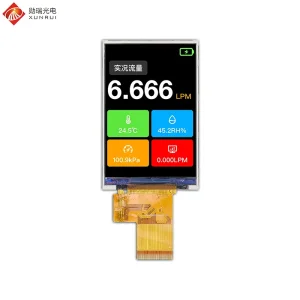
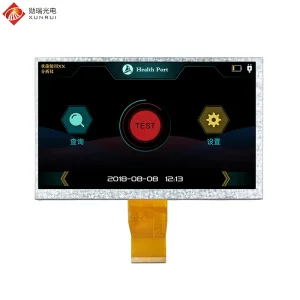
Explore our high-performance liquid crystal module catalog featuring IPS technologies, wide-temperature ranges, and multi-interface interfaces.
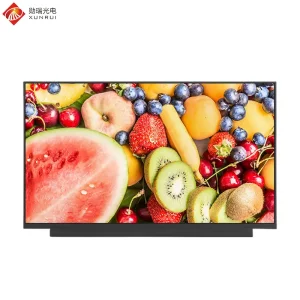
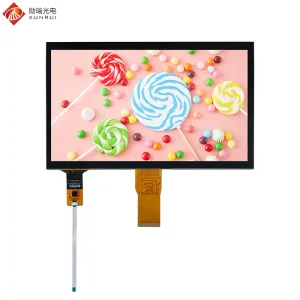
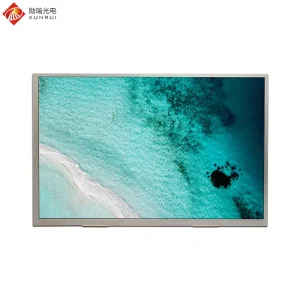
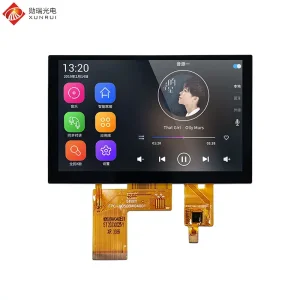
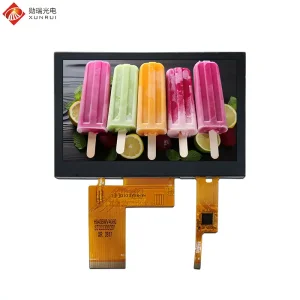
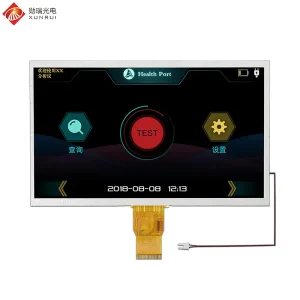
A comprehensive B2B engineering overview of active-matrix flat panel displays in demanding commercial ecosystems.
The 8-inch form factor occupies a strategic sweet spot in the display industry, balancing optimal display real estate with compact footprint constraints. As global digital transformation accelerates, Human-Machine Interfaces (HMIs) require higher resolution, superior color rendering, and physical durability. The industry is currently transitioning away from traditional Twisted Nematic (TN) panels toward In-Plane Switching (IPS) technologies, which offer near-perfect 178-degree viewing angles and precise color fidelity.
From medical diagnostics to smart grid controllers, the demanding operating conditions require display modules that are highly readable in direct sunlight, resistant to electromagnetic interference (EMI), and stable across wide operating temperatures (-30°C to +80°C). As an experienced optoelectronics manufacturer, Shenzhen Xunrui Optoelectronics Technology Co., Ltd. addresses these requirements by integrating state-of-the-art liquid crystal technologies and customized engineering frameworks.
Shenzhen Xunrui Optoelectronics Technology Co., Ltd., founded in 2016, is a high-tech enterprise specializing in the R&D, production, sales, and service of liquid crystal modules.
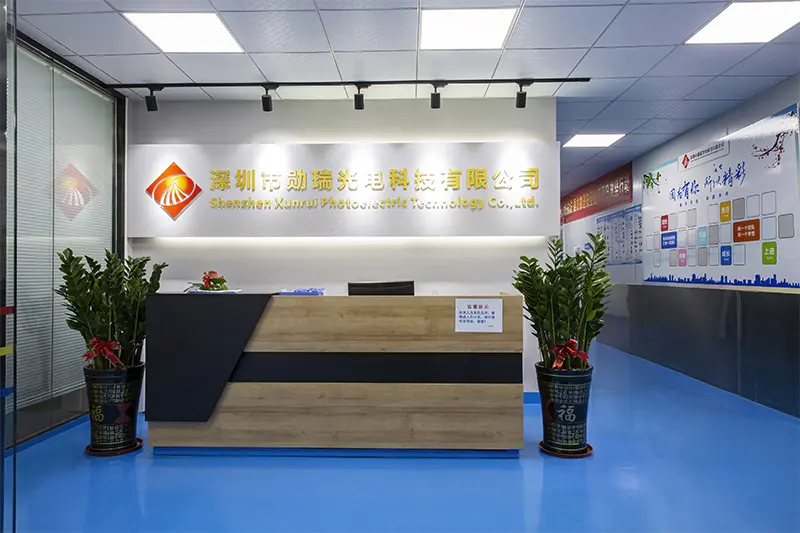
We boast strong R&D capabilities, advanced production equipment, and a unified management team. Since our establishment, we have been committed to supporting customers with customized and differentiated needs. To maintain our technological edge, we invest over 30% of our net profit in the research and development of new products every year.
Our core capabilities range from initial panel design and driver board layout modification to the optical bonding of custom capacitive touch screens. Operating from our state-of-the-art facility in Shenzhen, we utilize automated COG (Chip on Glass) and FOG (Film on Glass) bonding lines to guarantee production consistency and long-term product availability.
Covering 1.8", 2.1", 3.5", 4.3", 5", 5.5", 7", 8", 9", 10.1", 11.6", 13.3", and 15.6" options.
Customized according to strict client requirements, offering tailored FPC, backlight, and touch configurations.
Providing seamless, global supply logistics, raw material security, and high manufacturing flexibility.
Operating out of Shenzhen, China, gives Xunrui a significant logistical and development advantage. The Pearl River Delta hosts the world's most concentrated flat panel display supply chain. Our raw materials—from advanced glass substrates and optical polarizers to driver ICs and LED backlights—are sourced from premium suppliers located within a 50-kilometer radius. This geographic proximity dramatically reduces transit times, minimizes manufacturing delays, and allows us to buffer against global supply chain disruptions.
Furthermore, our integrated factory model provides one-stop capabilities: cover glass tempering, capacitive touch module bonding, FPC routing design, backlight fabrication, and final testing are all completed in-house. This complete cycle control ensures that we deliver reliable, high-yield displays while maintaining competitive pricing structures.
 One-stop service
From display concept design, mechanical drawing, rapid prototyping, to final mass production under one roof.
High quality productsUtilizing high-grade liquid crystal panel materials, high-density FPCs, and reliable driving chip components.
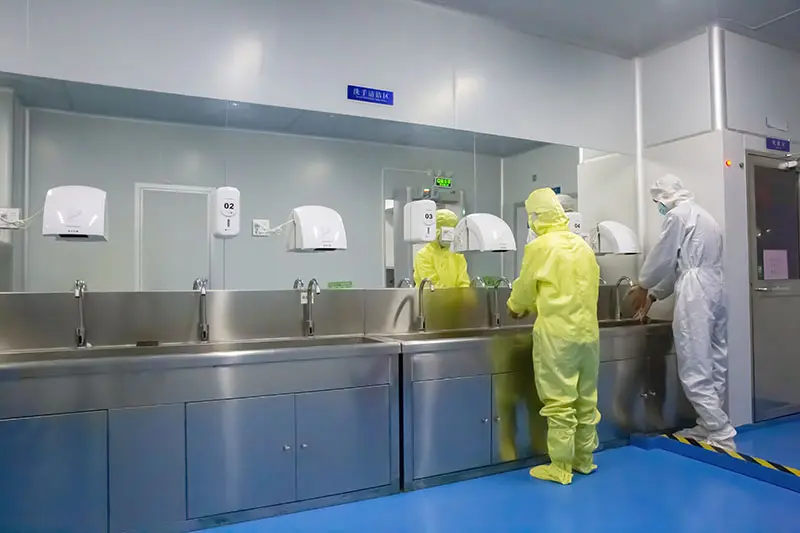
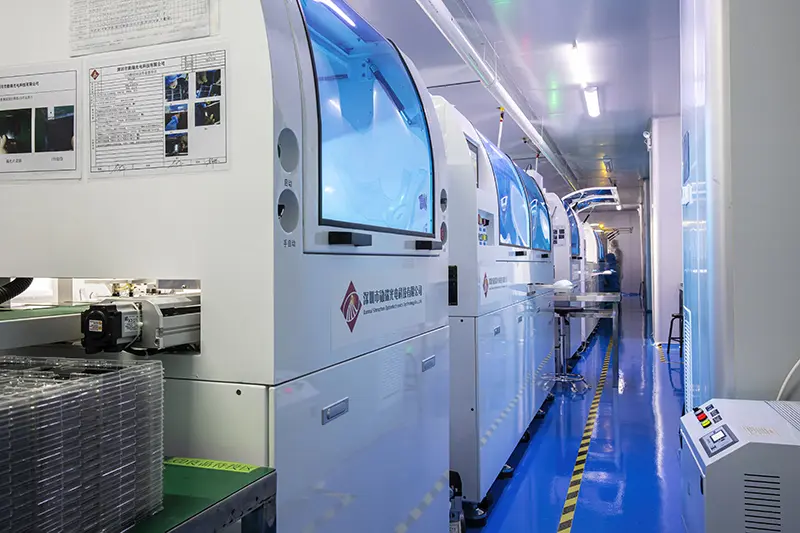
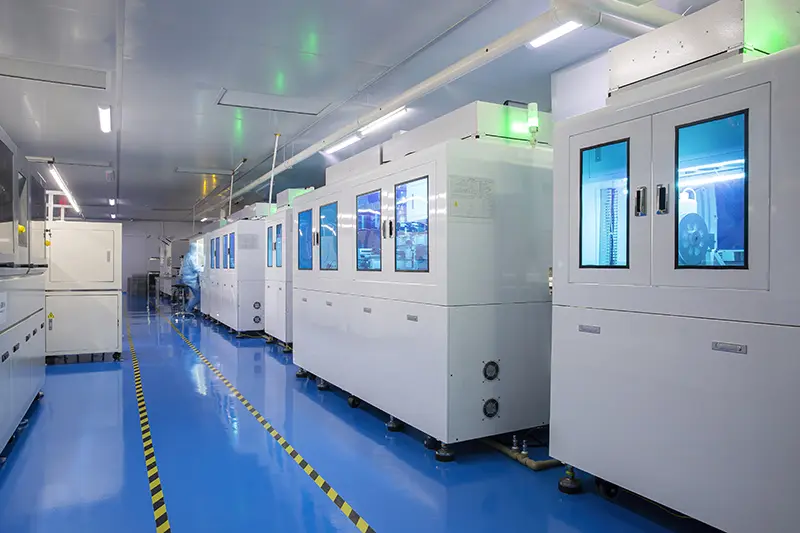
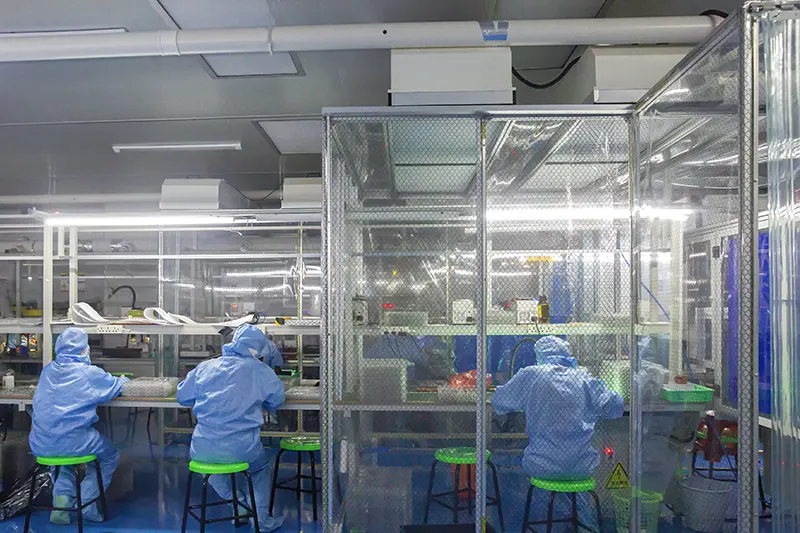
Advanced equipmentAutomated COG cleaning, precision FOG lamination machines, and ESD-protected cleanroom lines.
OEM & ODM servicesFully customizable physical interfaces, customized flex cabling, brightness optimization, and cover plate shapes.
Providing optimized, application-specific designs to solve challenging engineering requirements.
We integrate multi-touch projected capacitive (PCAP) glass with high-noise immunity controllers.
Designed for industrial HMI use-cases where gloved operation and liquid splash resistance are required.
Integrated converter electronics to allow plug-and-play functionality across main computing standards.
Flex cable modifications, length adaptation, localized pinout definitions, and EMI grounding wraps.
Cover glass thickness customization, anti-reflective/anti-glare (AR/AG) coatings, and custom silk-printing.
High-efficiency LED array adjustment for sunlight readability up to 1000+ nits.
Form-factor specific controller designs, integrated dimming chips, and standard connectivity.
A complete after-sales system and a 24-hour on-call after-sales service team.
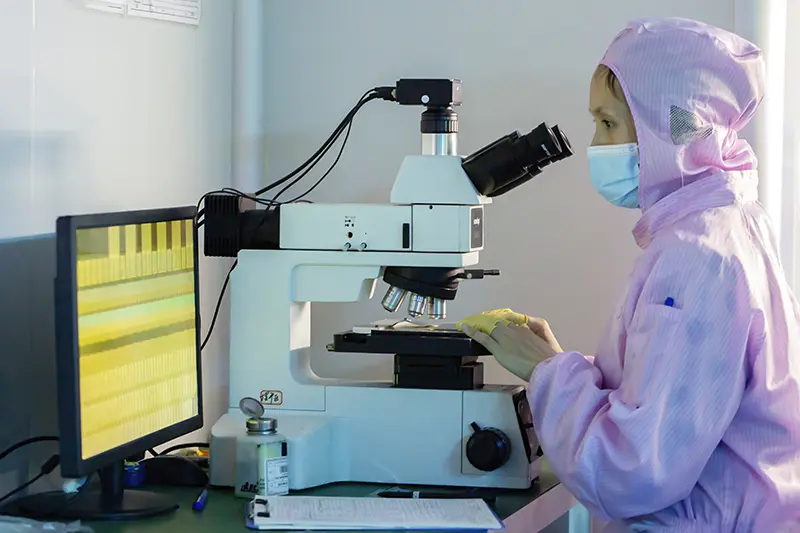
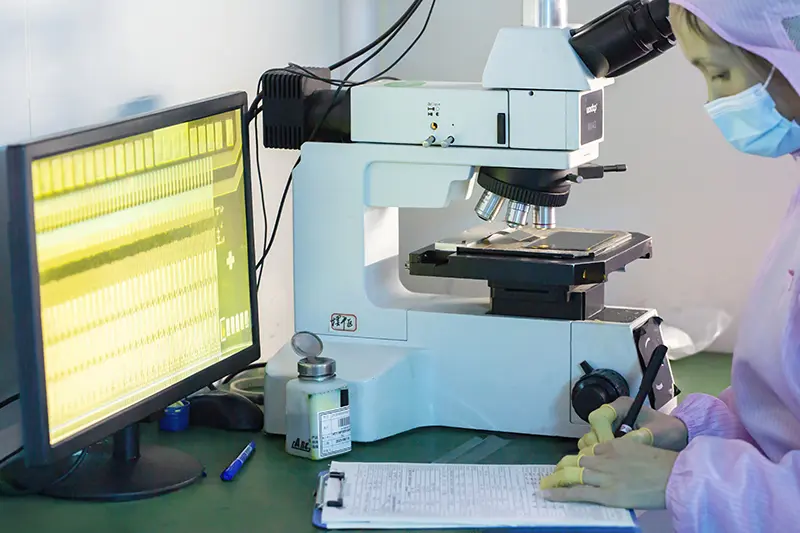
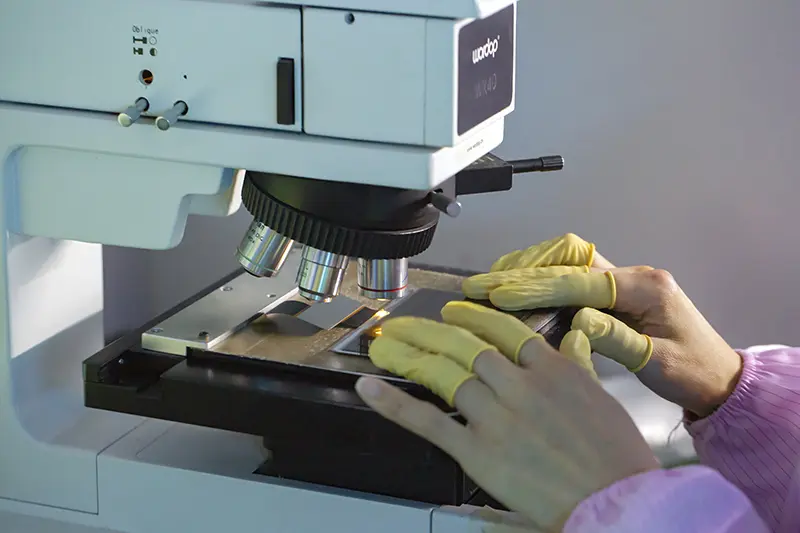
Precise FOG lamination microscopy and backlit welding microscopy to detect and prevent micro-fractures.
FOG electrical connection aging, FOG high-temperature baking aging, and high-temperature electrical connection aging of finished products.
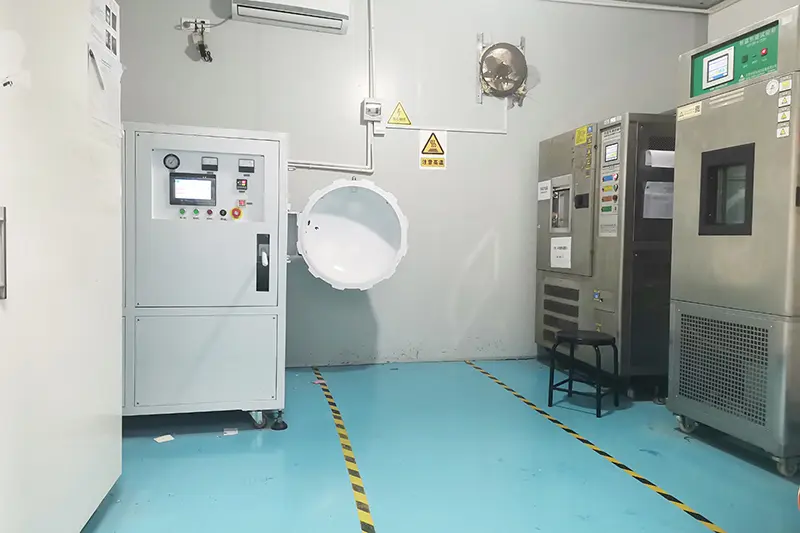
High temperature & high humidity test, thermal shock chamber test, vibration test, and drop test.
Glass inspection, FOG inspection, finished product inspection, IQC inbound inspection, and OQC outbound inspection.
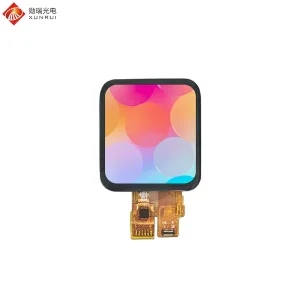
0.96-inch to 27-inch regular screens, strip displays, square screens, round screens, semi-reflective and semi-transparent displays.
Our minimum order quantity for regular sizes is 1 piece, simplifying initial hardware prototype development.
1000 to 5000 pieces of safety stock for regular sizes, ensuring immediate dispatch and short lead times.
Rooted in craftsmanship and engineering precision to build collaborative business partnerships.
Craftsmanship spirit forges products, and virtuous character builds careers. Let partners win together and promote social progress.
Full participation, meticulous research and development, continuous improvement, and sincere service.
Enhance quality, create brands, realize value, and achieve win-win cooperation.
Customer-centered, customer satisfaction; Adhere to the principle of quality first and be innovative.
Operating under strict ISO quality standards to guarantee display reliability and compliance.
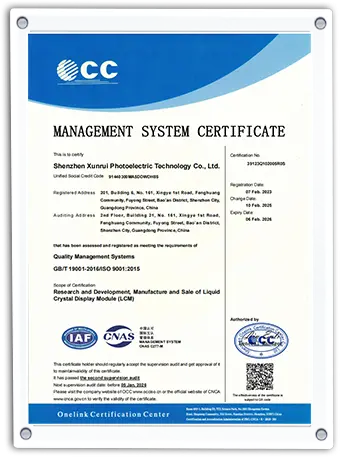
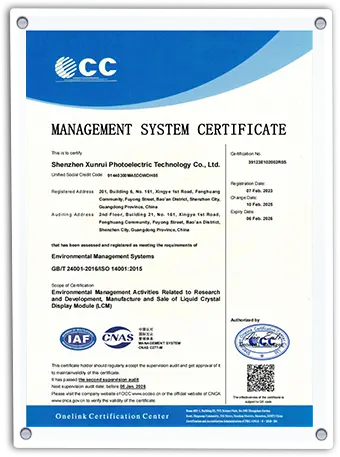
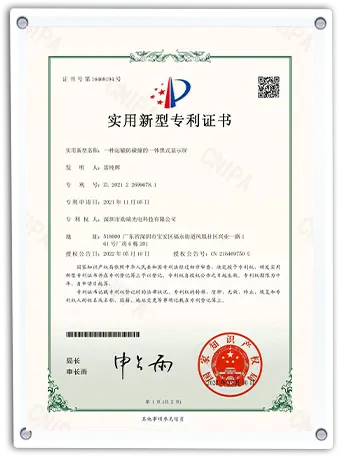
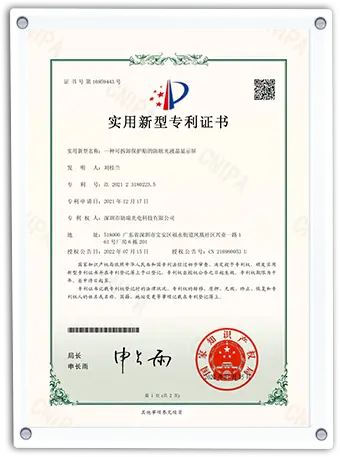
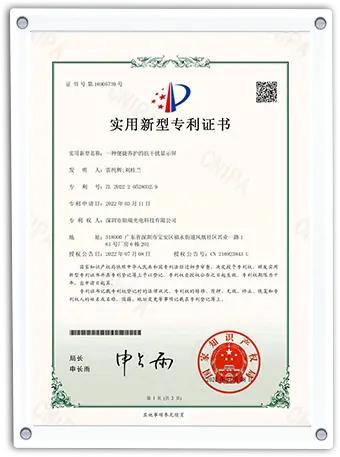
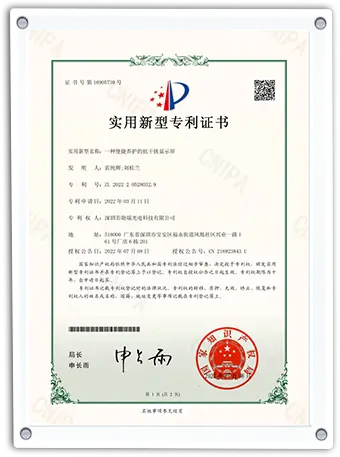
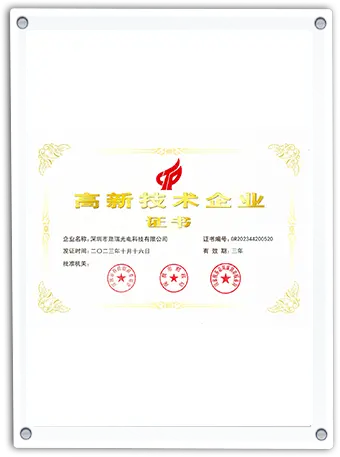
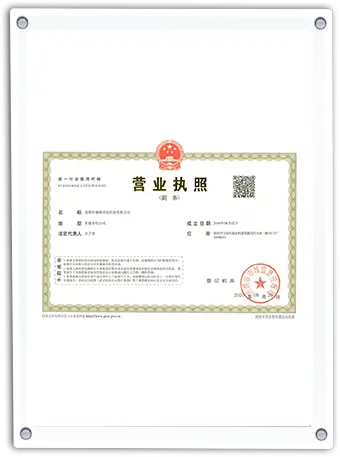
Pioneering visual display designs while maintaining environmentally sustainable manufacturing processes.
Upholding its original aspiration and mission, Xunrui's employees leverage two decades of industry experience to serve every customer sincerely. Xunrui is willing to establish long-term and reliable cooperative partnerships with customers around the world on the basis of mutual benefit.
Committed to environmental protection, specializing in efficient governance, and dedicated to energy conservation. With hearts turned toward the sun, all things flourish.
Find answers to critical technical questions regarding panel customization, interfaces, and logistics.
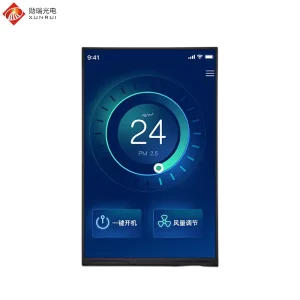
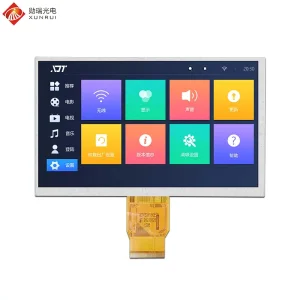
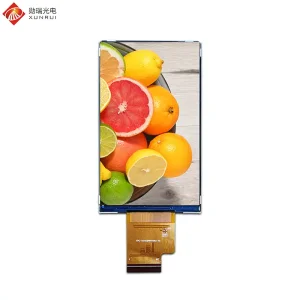
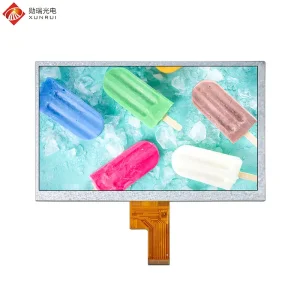
Complete product range featuring IPS, MIPI, SPI, and custom touch technologies.
 Xunrui Display