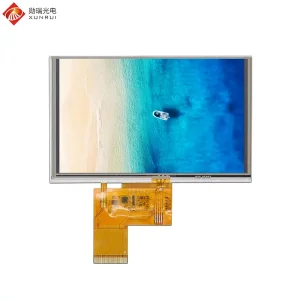
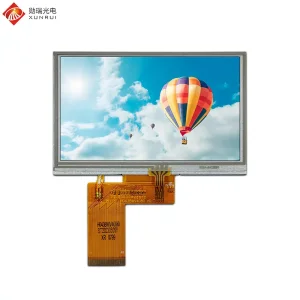
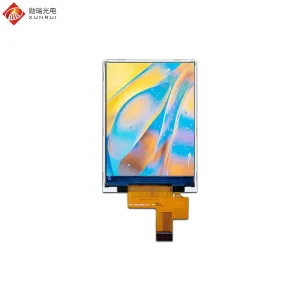
Designed to operate flawlessly under salt-mist, humid environments, and with heavy utility gloves.
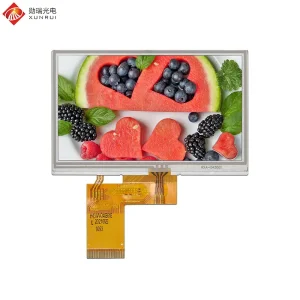
As industrialization and digitalization expand across remote nations in the Pacific, the demand for reliable human-machine interfaces (HMI) has surged. Kiribati, an archipelagic nation composed of 32 atolls and one raised coral island spanning 3.5 million square kilometers of ocean, presents one of the most punishing environments for electronic equipment in the world. With constant exposure to airborne salt crystals, relative humidity levels hovering above 80%, high ambient temperatures, and direct UV solar rays, standard capacitive touchscreen displays frequently fail.
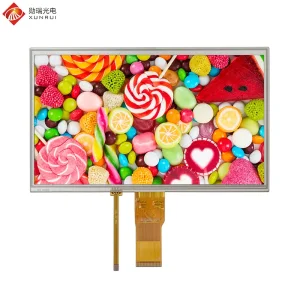
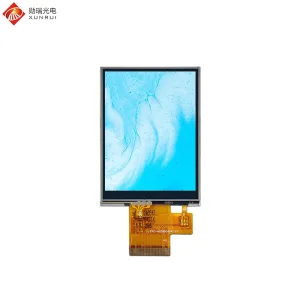
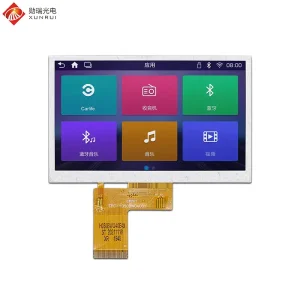
Shenzhen Xunrui Optoelectronics Technology Co., Ltd. has developed specialized Resistive Touch TFT LCD Modules designed specifically to handle these environments. Unlike capacitive panels that require conductivity from a bare finger (which fails when water droplets or salt spray bridge the electric field), resistive screens rely on mechanical pressure. This makes them immune to false touch triggers caused by seawater splashing and enables operation using thick fishing gloves, plastic styluses, or hand tools.
To design a display that survives in South Tarawa, Kiritimati, or the outer Gilbert Islands, engineers must account for three environmental variables:
Globally, while consumer markets have transitioned entirely to capacitive multi-touch displays, the industrial, military, marine, and medical markets continue to procure resistive touch screen interfaces. Their noise immunity (compliance with strict EMC standards), physical activation safety, low power consumption, and mechanical versatility ensure they remain vital. In regional Pacific hubs like Fiji, Kiribati, and Samoa, resistive screens form the backbone of terminal systems, solar microgrid controllers, desalination plants, and oceanic mapping instrumentation.
Advanced engineering tailored for marine and remote tropical projects
Our displays feature gold-plated FPC connectors, specialized conformal coatings on the PCB/controller boards, and IP65-sealed front panel frames to prevent salt-fog deterioration.
Over 60% of Xunrui displays are custom-engineered. We support small batch sizes for remote projects, ensuring that logistics to remote Pacific markets are economically viable.
Engineered in China, proven in the field: How we ensure our displays survive long-distance logistics and harsh environments.
FOG electrical connection aging, FOG high-temperature baking aging, and completed-product high-temperature operational stress tests ensure stable liquid crystal performance under the Kiribati sun.
Our displays undergo thermal shock testing (-40°C to +85°C), high-humidity chamber testing (85% RH at 60°C), vibration tests simulating oceanic freight, and physical drop tests.
Incoming glass inspections, FOG pattern checks, finished assembly quality control, IQC inbound validation, and pre-shipment OQC inspection to guarantee 0% defective parts arriving at your site.
Deploying electronic components in small island developing states (SIDS) requires deep context of the physical applications. Below are the primary sectors where Xunrui’s Resistive Touch TFT LCD panels are deployed:
Kiribati relies heavily on its exclusive economic zone (EEZ) for tuna fishing. Local artisanal fishers and larger vessels require navigational equipment that functions when wet. Capacitive screens drift or fail under sea spray. Xunrui's resistive touch screens allow fishermen to configure routes, track oceanic depth, and manipulate radar settings with gloved or wet hands.
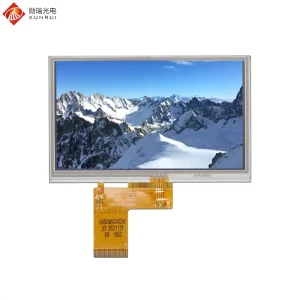
Due to the lack of centralized fossil-fuel grids in the outer atolls, solar PV mini-grids funded by global organizations supply power. These solar converters require simple, durable HMI panels. Our 3.5-inch and 4.3-inch resistive screens are customized with high-luminance backlights and anti-UV polarizers to prevent solar blackouts.
Access to fresh drinking water is critical in South Tarawa, where thin freshwater lenses are vulnerable to pollution and climate change. Reverse osmosis desalination units run 24/7. These machines rely on our resistive HMI panels to monitor membrane pressure, salinity rates, and clean water output.
Building long-term reliability through win-win values
Craftsmanship spirit forges products, and virtuous character builds careers. Let partners win together and promote social progress.
Full participation, meticulous research and development, continuous improvement, and sincere service on every batch.
Enhance quality, create internationally recognized brands, realize mutual values, and achieve win-win global cooperation.
Customer-centered focus to maximize lifetime value. Adherence to the core principle of quality-first manufacturing.
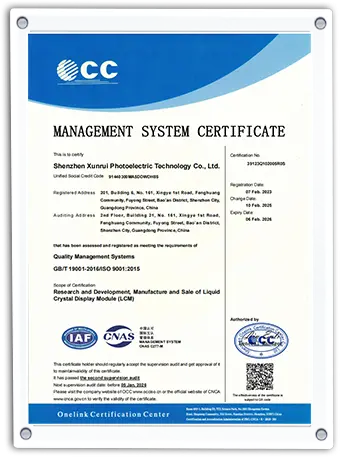
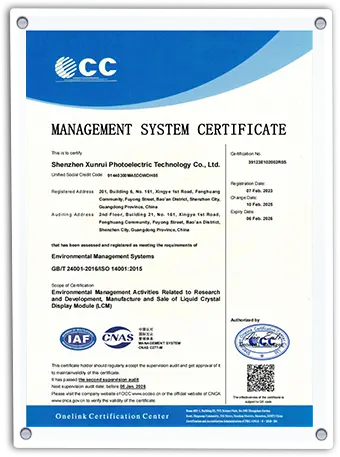
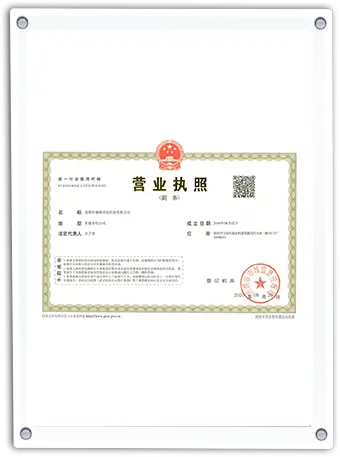
Our ISO-certified manufacturing facility operates with state-of-the-art precision
Technical answers for engineers and system integrators deploying displays in Oceania.
Explore our complete catalog of industrial TFT display modules ready for regional shipping.
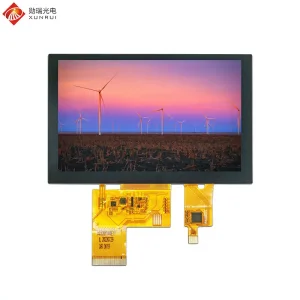
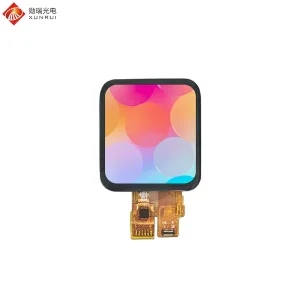
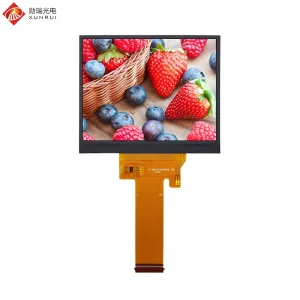
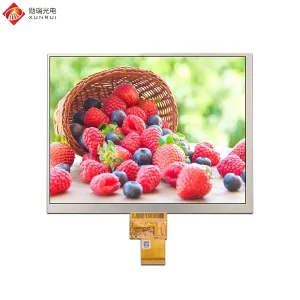
 Xunrui Display