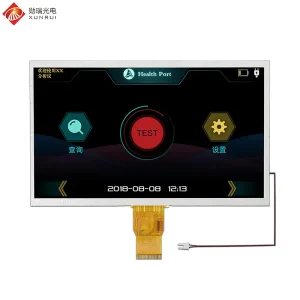
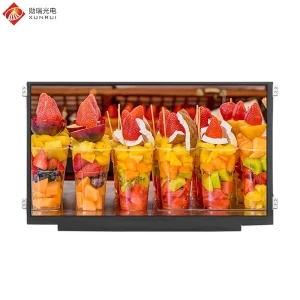
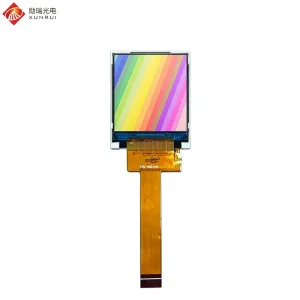
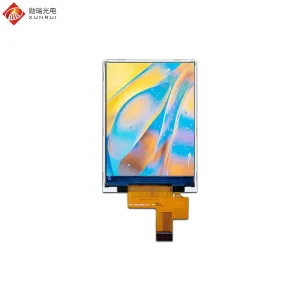
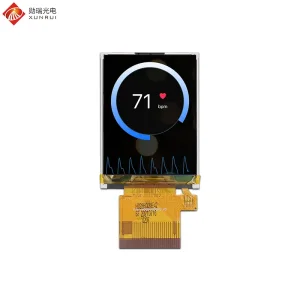
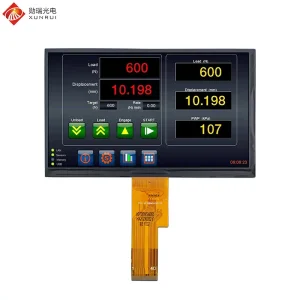
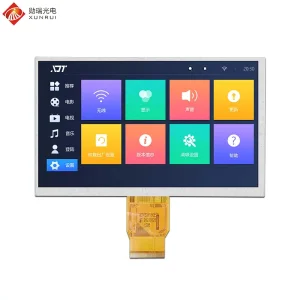
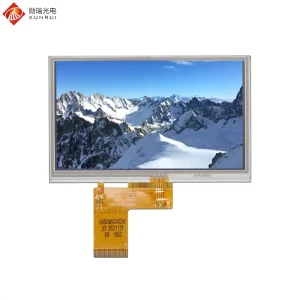
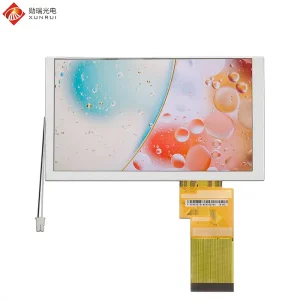
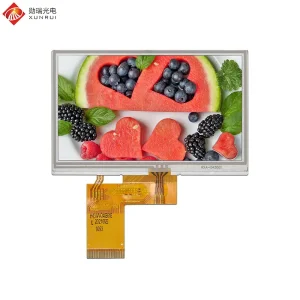
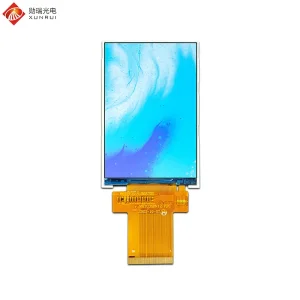
Explore our core collection of small-to-medium TFT display panels optimized for high-reliability applications.
In the rapidly evolving landscape of Human-Machine Interfaces (HMI), the 8-inch TFT LCD display has emerged as a cornerstone form factor. Representing the ideal golden ratio between visual real estate and compact device integration, this dimension satisfies critical design limitations across diverse verticals. Whether deployed in demanding medical monitors, rugged industrial control systems, automotive dashboards, or smart home ecosystems, 8-inch screen assemblies provide optimal spatial utility without compromising readability or power metrics.
This whitepaper offers a comprehensive analysis of the global commercial ecosystem of 8-inch TFT displays, detailing engineering considerations, production advancements, localized application scenarios, and key sourcing strategies. As professional manufacturers and factories specializing in this field, we provide deep-level industry insights to guide technical and procurement leaders through selecting and deploying custom display solutions.
Unlike standard consumer screens, industrial-grade 8-inch TFT LCD displays utilize active matrix technologies paired with customizable backlights and customized Driver ICs. This architecture ensures high-frequency screen updates, minimizes electromagnetic interference (EMI), and provides operating temperature ranges from -30°C to +85°C.
The global demand for 8-inch LCD screens is experiencing steady growth. Historically driven by consumer tablets, the market has shifted toward high-mix, low-to-medium-volume industrial applications. Modern manufacturing lines, utility infrastructure, and logistics platforms rely heavily on semi-rugged and fully rugged touch screen panels to serve as terminal gateways.
According to current market metrics, the demand for custom display configurations—such as sunlight-readable panels, wide-viewing-angle IPS technology, and specific interface boards (HDMI, LVDS, and MIPI)—has overtaken off-the-shelf catalog models. Global companies are prioritizing design lifecycle stability. Industrial systems are built to run for 5 to 10 years, meaning display manufacturers must commit to long-term component availability, structural consistency, and reliable backward compatibility.
Understanding screen technology is essential for product designers. The choice between In-Plane Switching (IPS) and Twisted Nematic (TN) panels dictates the product's usability environment.
IPS panels represent the premier standard for color accuracy and viewing angles. In critical applications like clinical medical equipment or multi-operator aerospace cockpits, IPS displays prevent contrast shift or hue distortion even when viewed from extreme off-center angles (typically up to 89°/89°/89°/89°). However, IPS panels require stronger backlights to achieve similar luminance compared to TN equivalents, demanding careful thermal management.
TN technology remains a highly cost-effective option for applications requiring fast response times and direct-facing views, such as simple commercial vending kiosks or single-operator metering systems. When calibrated by a professional factory, TN screens provide excellent value, though designers must place them strategically to prevent color inversion at vertical viewing thresholds.
When selecting a customization partner, geographical clustering is a critical factor. Shenzhen, China, stands as the global epicenter for optoelectronics innovation. The local ecosystem contains all stages of LCD production within a 50-kilometer radius: from raw ITO glass, polarizers, and driver ICs to backlights, FPC cables, and touch panel glass bonding lines.
For global purchasers, this clustering translates directly to speed-to-market and cost efficiency. Shenzhen Xunrui Optoelectronics Technology Co., Ltd. leverages this infrastructure to offer rapid prototyping, custom tooling fabrication, and agile manufacturing adjustments. By investing over 30% of our net profits annually into R&D, we integrate the latest material sciences—such as optical bonding adhesives (OCR/OCA) and anti-glare (AG) coatings—directly into our custom 8-inch modules before they become mainstream consumer trends.
Custom 8-inch displays operate in diverse environments. Here are typical application cases requiring deep engineering adjustments:
Our commitment to professional engineering and transparency is reflected in our rigorous manufacturing standards and corporate structure.
Shenzhen Xunrui Optoelectronics Technology Co., Ltd., founded in 2016, is a high-tech enterprise specializing in the R&D, production, sales, and service of liquid crystal modules. The company boasts strong R&D capabilities, advanced production equipment, and a united, progressive management team. Since its establishment, the company has been committed to supporting customers with customized and differentiated needs. It invests over 30% of its net profit in the R&D of new products every year, drawing from over 10 years of collective industry experience to deliver reliable solutions.
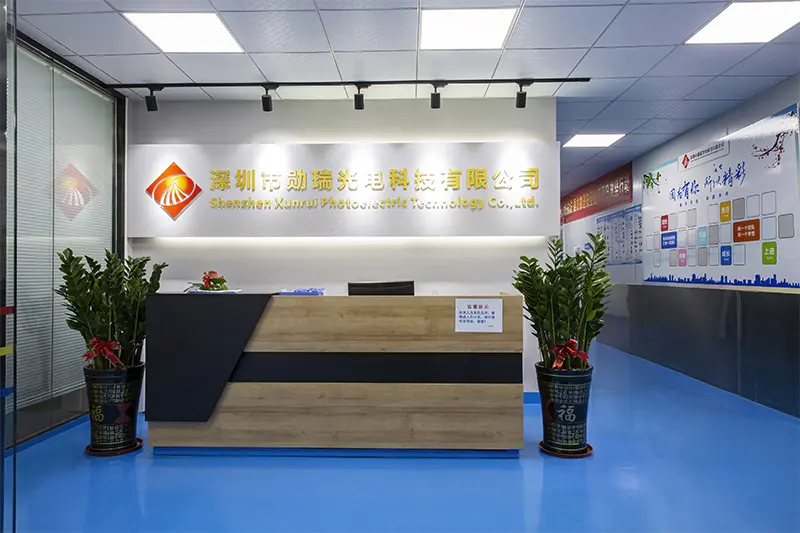
Craftsmanship spirit forges products, and virtuous character builds careers. Let partners win together and promote social progress.
Full participation, meticulous research and development, continuous improvement, and sincere service.
Enhance quality, create brands, realize value, and achieve win-win cooperation.
Customer-centered, customer satisfaction; Adhere to the principle of quality first and be innovative.
Standing on the mountain peak, we can see the farther world. Our main products include 0.96-inch to 27-inch LCD screens and related supporting products, with core sizes covering 1.8", 2.1", 3.5", 4.3", 5", 5.5", 7", 8", 9", 10.1", 11.6", 13.3", and 15.6". The monthly comprehensive production capacity is approximately 2 million units. Over 60% of our products are customized according to customer requirements. With years of industry experience, the company provides constructive customization suggestions based on specific product applications.
Our displays are primarily used in digital products, educational tablets, banking and communications equipment, industrial devices, test instruments, military and medical equipment, automotive meters, power industrial control systems, smart home appliances, and smart home devices.

We handle everything from initial design sketches and mechanical CAD integration to optical tuning and volume shipments.
Built with grade-A glass, high-efficiency polarizers, and high-lifespan LEDs for continuous 24/7/365 operational use.
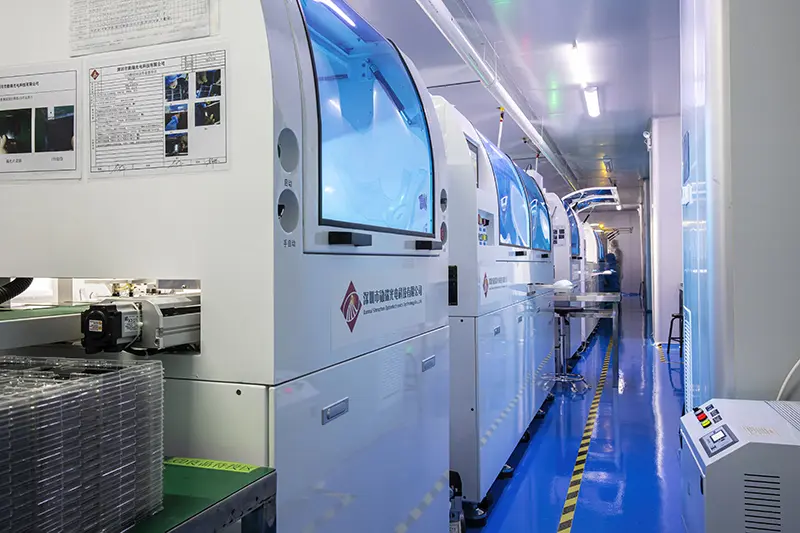
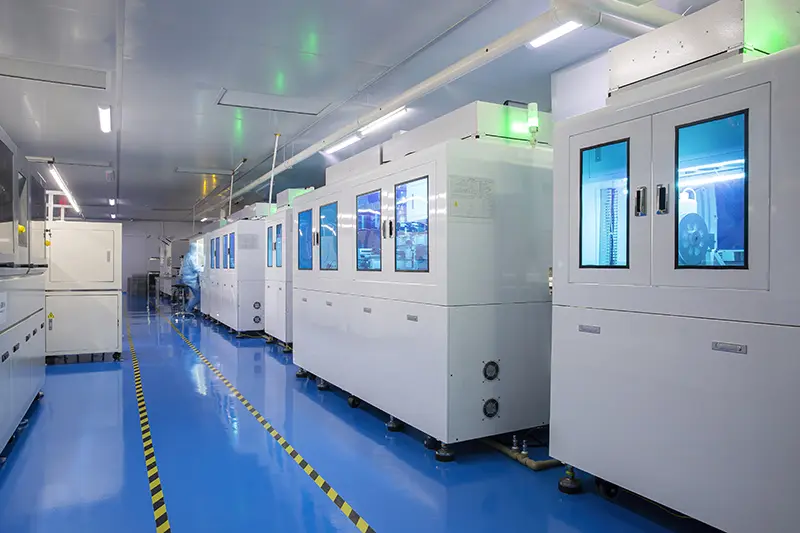
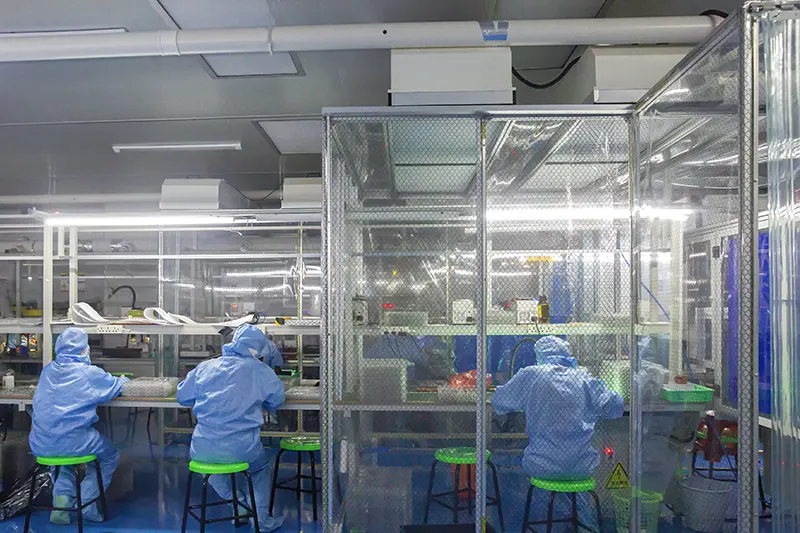
Equipped with 30 sets of high-precision automated COG, FOG lamination, and backend assembly systems.
Custom tail-lengths, specific PIN outs, customized bezels, and driver boards tailored to your exact mechanical footprint.
Global procurement teams need more than just screen glass; they require a partner that minimizes integration risks, provides complete driver board peripherals, and supports flexible order sizes.
Support for I2C and USB interfaces, with multi-touch capability (up to 10 fingers) and water rejection features.
Traditional 4-wire and 5-wire analog resistive touch panels for high EMI and heavy-duty environments.
Plug-and-play interfaces supporting AV, VGA, HDMI, and LVDS conversion protocols for easy SBC connectivity.
Adjust flexible printed circuit layout, overall length, stiffness, gold fingers, and specific pin configurations.
Fine-tune panel thickness, light-guide pathing, LED count, and brightness profiles up to 1500 nits.
Add anti-glare (AG), anti-reflective (AR), anti-fingerprint (AF) coatings, and chemically strengthened cover glass.
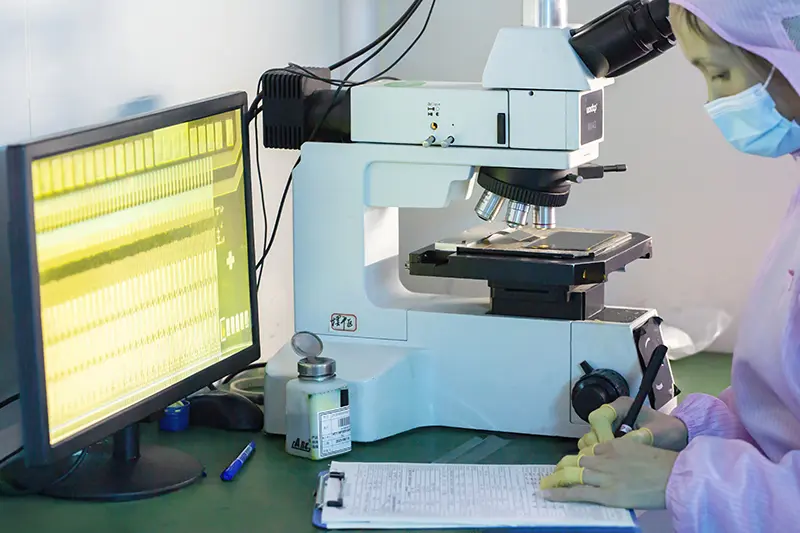
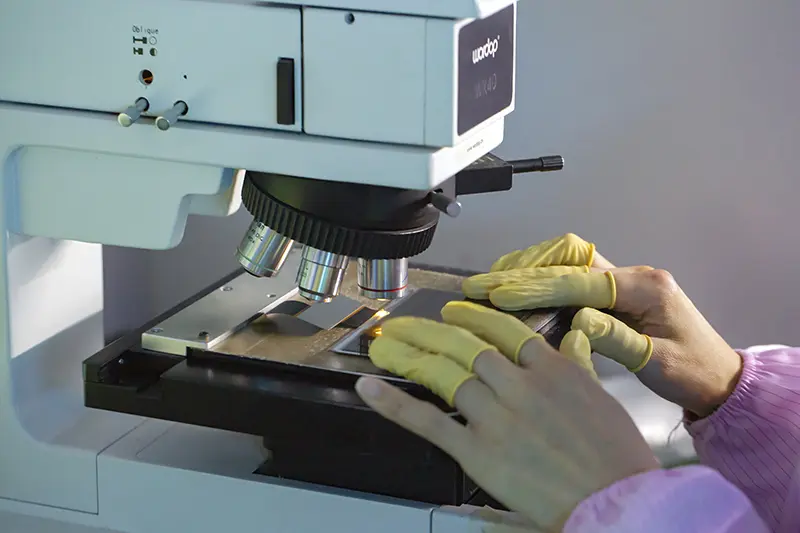
Dual inspection points covering FOG lamination pitch and backlight solder joints to prevent structural failures.
Including FOG connection aging, high-temperature raw panel baking, and thermal electrical endurance tests.
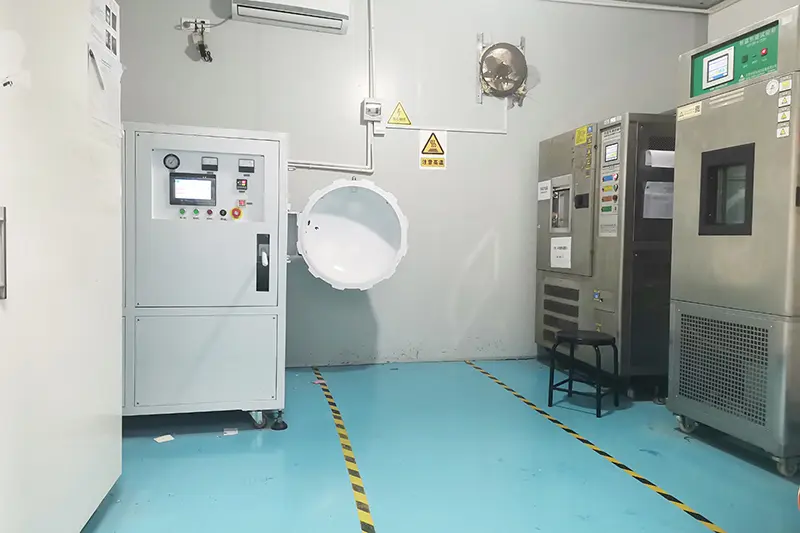
Subjected to high temp/humidity chambers, thermal shock (-40°C to 85°C), vibration tables, and physical drop tests.
In addition, we support small-batch prototyping to facilitate early-stage project development. Regular panel configurations are backed by active safety stocks ranging from 1,000 to 5,000 units, shielding our clients from supply chain disruptions.
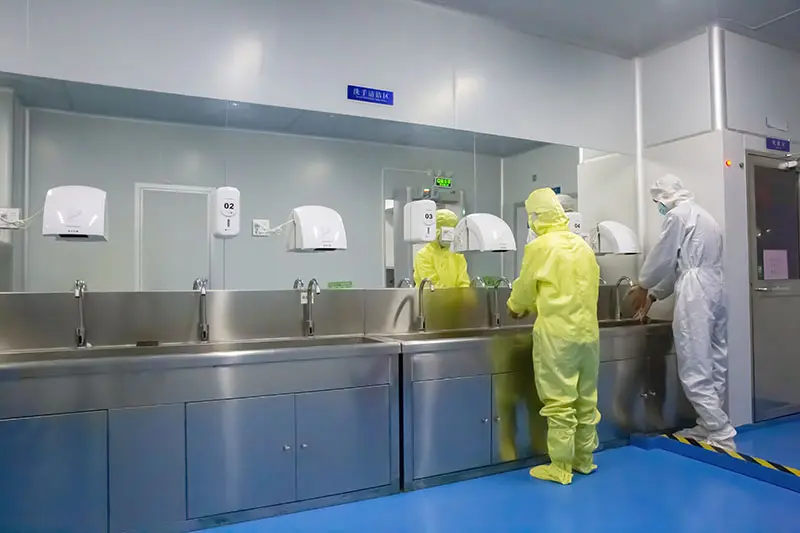
Verified compliance, modern facilities, and advanced production infrastructure supporting global quality standards.
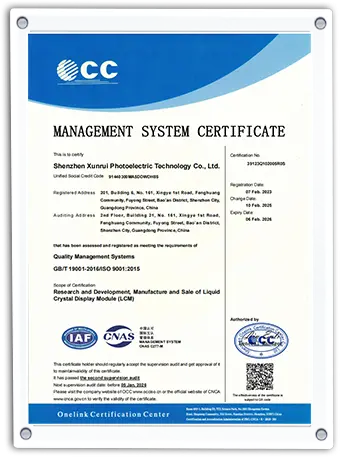
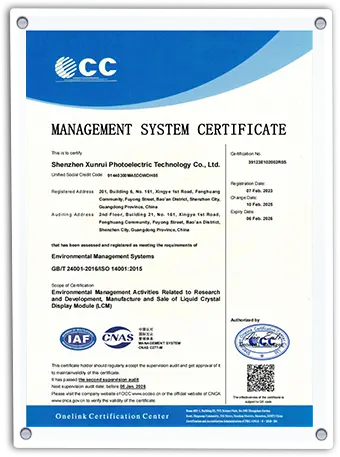
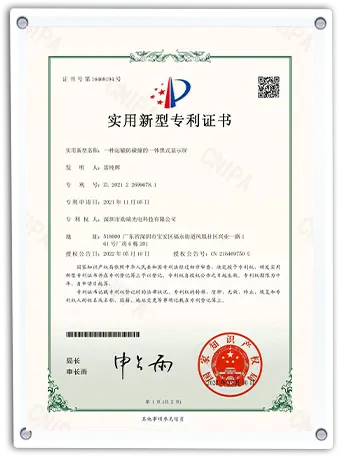
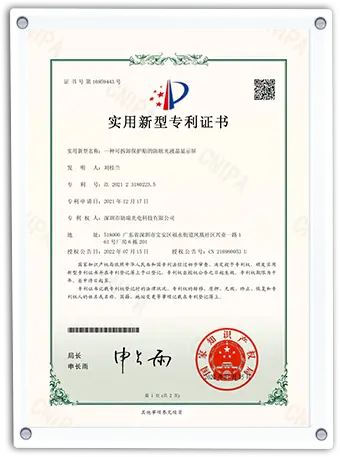
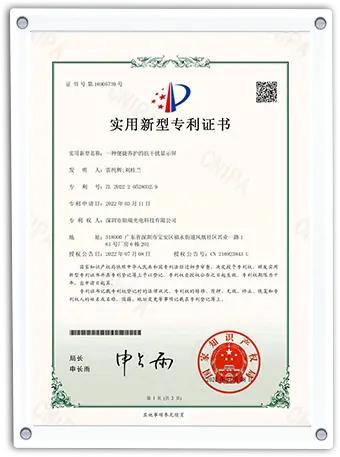
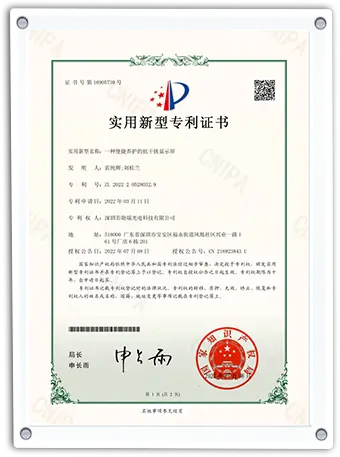
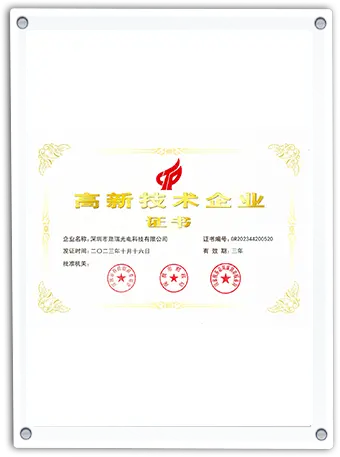
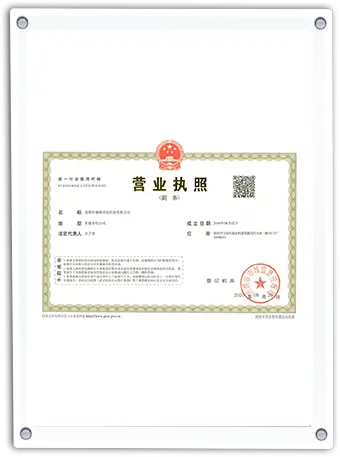
Upholding its original aspiration and mission, Xunrui's employees leverage two decades of industry experience to serve every customer sincerely. Xunrui is willing to establish long-term and reliable cooperative partnerships with customers around the world on the basis of mutual benefit. Committed to environmental protection, specializing in efficient governance, and dedicated to energy conservation. With hearts turned toward the sun, all things flourish.

Get answers to technical integration, customization options, and quality control procedures.
For standard, non-customized stock items, our MOQ starts at 1 piece to facilitate rapid prototyping. For customized projects (e.g., custom FPC routing, specific backlight configurations, or capacitive touch integration), MOQ typically ranges from 500 to 1,000 pieces depending on tooling complexity.
Yes. Standard indoor 8-inch panels operate at 250 to 350 nits. We customize backlights using high-efficiency LED arrays to achieve up to 1000 nits or 1500 nits. We also offer optical bonding (OCA/OCR) to eliminate air gaps, reducing reflections under direct sunlight.
Our modules support multiple native interfaces including RGB, LVDS, and MIPI DSI. Additionally, we manufacture customized driver boards with HDMI, VGA, and standard AV input ports for compatibility with Single Board Computers like Raspberry Pi or industrial IPCs.
We use stable industrial-grade chipsets and liquid crystal formulations. If a component (such as a specific driver IC) is phased out, our engineering team manages redesigns of the FPC or control board layout to maintain form-factor compatibility and electrical performance, minimizing design alterations for our customers.
Additional custom display panels configured for a wide variety of industrial terminal applications.
 Xunrui Display