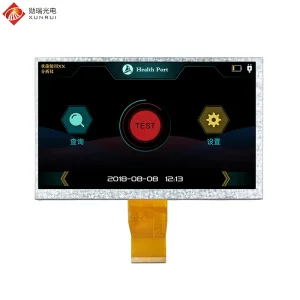
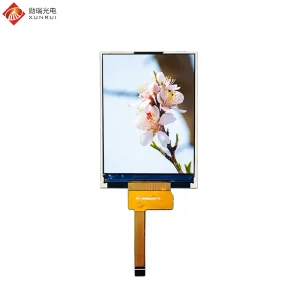
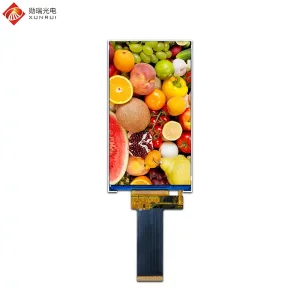
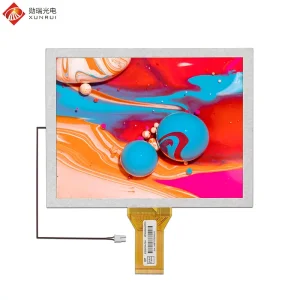
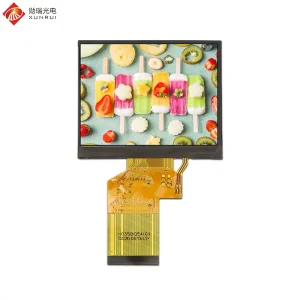
Explore our leading selection of engineered liquid crystal modules. High-contrast, wide-temperature range, and multi-interface support design architectures.
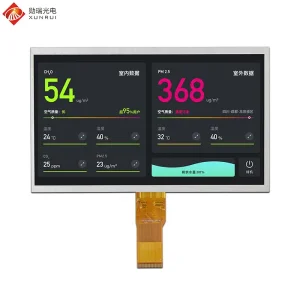
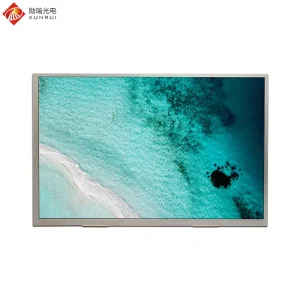
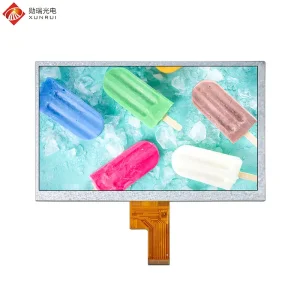
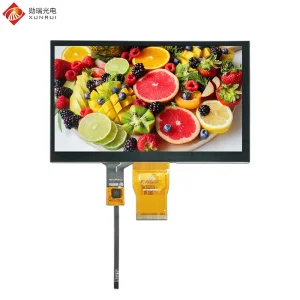
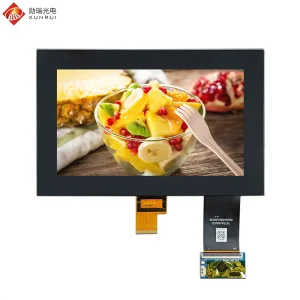
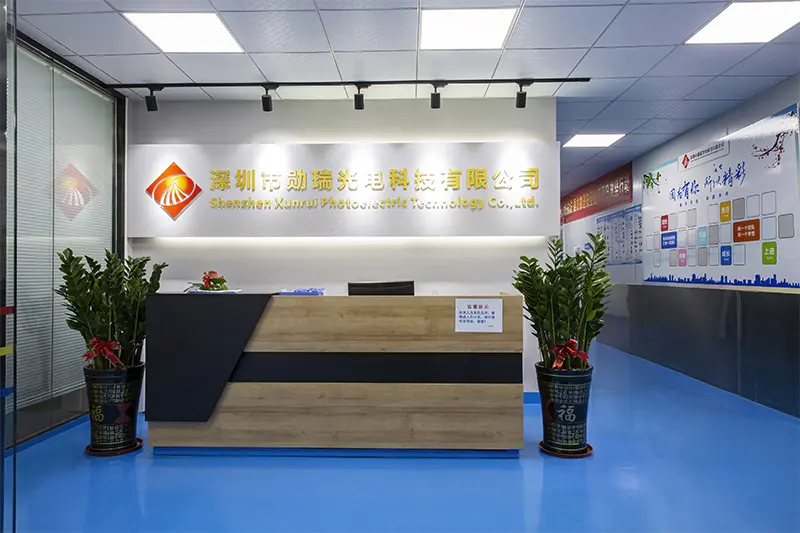
Founded in 2016, Shenzhen Xunrui Optoelectronics Technology Co., Ltd. is a premier high-tech enterprise specializing in the research, development, production, and worldwide service of custom liquid crystal modules (LCM). Leveraging advanced optical labs and modern cleanrooms, we deliver state-of-the-art TFT LCD solutions designed to operate under demanding physical conditions.
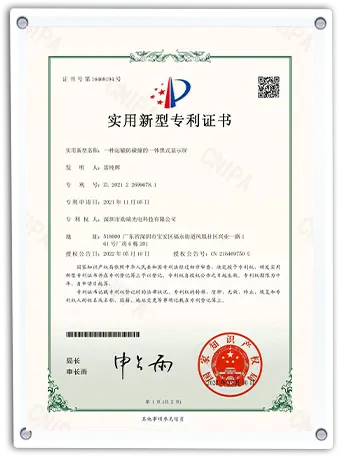
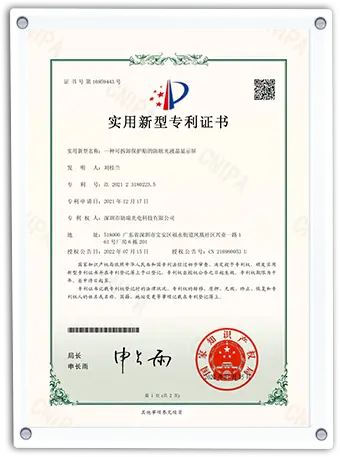
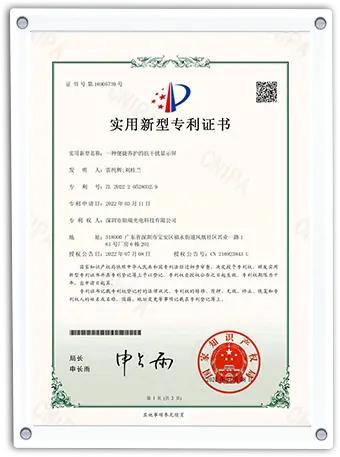
We pride ourselves on supporting bespoke, customized display requirements. Our long-term financial commitment is proof of our dedication to engineering leadership: we reinvest more than 30% of our net profit back into new product R&D annually, ensuring our clients benefit from the latest innovations in display driver efficiency, backlight materials, and optoelectronic reliability.
How Shenzhen Xunrui is driving optical efficiency, reliability, and modern display integration architectures in the 9-inch format.
Optimizing substrate utilization is key to keeping 9-inch modules cost-effective. By using Gen 5.5 and Gen 6 TFT-LCD fabs, we achieve maximum mother-glass efficiency. This enables us to maintain tight dimensional tolerances, yielding consistent bezel sizes and uniform pixel alignments across high-volume production runs.
Industrial HMI and automotive applications require clear visibility in direct sunlight. Our roadmap incorporates high-performance polarizers, anti-reflective (AR), anti-glare (AG), and anti-fingerprint (AF) surface coatings. These technologies minimize ambient light reflections and keep contrast high under demanding outdoor conditions.
By using high-efficacy LED dies coupled with optimized light-guide plates (LGPs), our 9-inch displays consume up to 30% less power while reaching brightness levels from 350 nits to over 1,000 nits. This lower thermal output extends the overall lifetime of the display and reduces stress on surrounding electronics.
Deep integration, high automated assembly precision, and robust global logistics buffers.
Our 5,000-square-meter facility houses automated Class 1,000 and Class 10,000 cleanrooms. Automated FOG (Film on Glass) lamination and COG (Chip on Glass) bonding machines perform high-precision alignments with micron-level tolerances. This minimizes connection resistance and prevents defect patterns like line dropouts and pixel anomalies.
By partnering directly with glass substrate providers and driver IC manufacturers, we secure priority allocations during industry-wide component shortages. We also maintain a regular safety stock of 1,000 to 5,000 units for standard LCM sizes, helping our global customers avoid production line stoppages.
Our quality control protocol is structured to detect anomalies early and ensure product reliability:
For demanding marine, military, and industrial applications, we offer optical bonding (OCR/OCA). This process eliminates the air gap between the touch sensor and the LCD cell, which increases structural strength, improves display contrast by up to 400% in bright sunlight, and prevents internal condensation.
Engineered display modules tailored for demanding vertical markets.
Custom 9-inch and 10.1-inch displays designed to operate reliably from -30°C to +85°C. These modules feature high vibration resistance, low EMI, and wide viewing angles (IPS) to ensure vehicle instrument clusters remain clear and readable under all conditions.
Rugged, noise-tolerant displays designed for long production lifetimes. These panels are engineered to resist electromagnetic interference (EMI) from high-voltage machinery and are compatible with gloved operation on capacitive touch overlays.
High-resolution displays with stable grayscale rendering and consistent luminance. These modules are designed to comply with strict medical safety guidelines, providing clear and accurate visual feedback for critical diagnostic equipment.
Sleek, low-profile displays featuring thin bezels and integrated touch sensors. These panels provide responsive interfaces and modern styling for high-end household appliances and smart home hubs.
A detailed breakdown of key design parameters for hardware engineers and purchasing managers.
Choosing the right interface is critical for display performance and system integration:
We configure mechanical and optical features to fit your enclosure:
Shenzhen Xunrui Optoelectronics is built on engineering precision, open communication, and long-term customer partnerships.
We combine craftsmanship with technical expertise to build reliable, high-performance display products. Our goal is to create mutual success for our global partners while helping advance display technology.
We focus on continuous improvement, careful research and development, and responsive service. Every step of our design and production process is planned to deliver stable quality and minimize defects.
We support projects of all sizes. While we maintain a monthly capacity of over 2 million units, we also accept small batch orders for testing and validation, with minimum orders starting at just 1 unit for standard configurations.
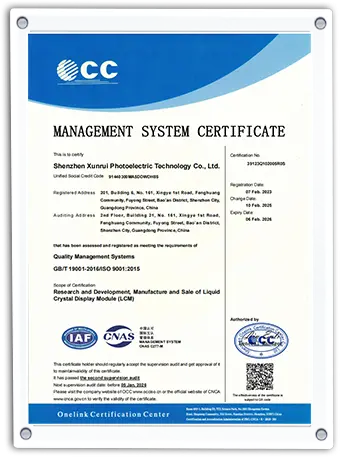
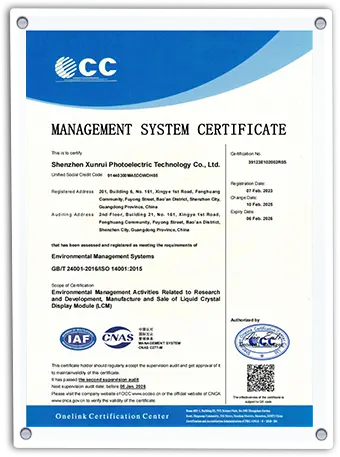
Shenzhen Xunrui modules are manufactured to meet high global quality standards, ensuring compliance and reliability for international markets.
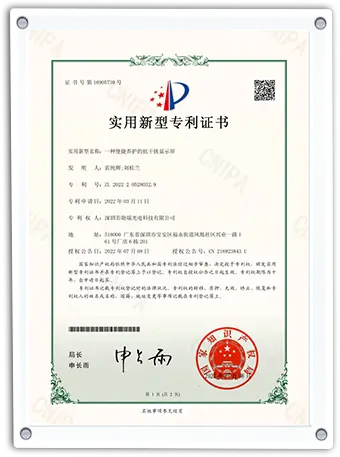
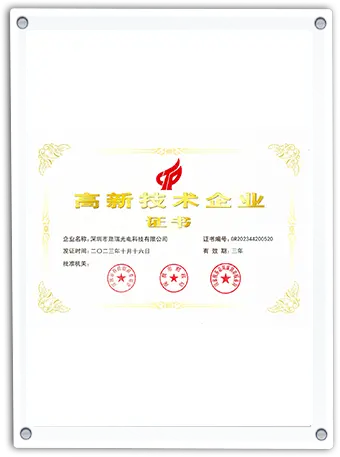
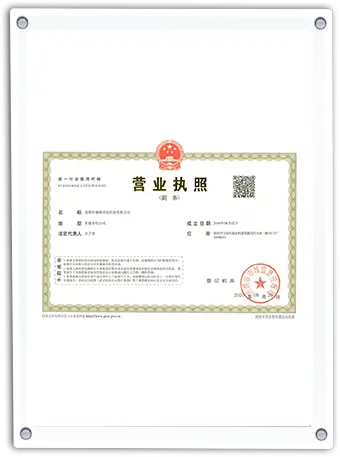
Find expert answers to common technical, design, and sourcing questions about custom LCD modules.
TN (Twisted Nematic) panels are typically more cost-effective and offer fast response times, making them suitable for simple interfaces. IPS (In-Plane Switching) panels provide significantly wider viewing angles (up to 178 degrees horizontally and vertically) and more accurate color reproduction, which is essential for medical monitors, automotive cockpits, and high-end industrial systems.
High ambient light can cause glare and wash out the screen's contrast. To solve this, we offer high-brightness backlights (up to 1,300 nits) and apply optical treatments like Anti-Reflective (AR) or Anti-Glare (AG) coatings. Additionally, we provide optical bonding services that fill the internal air gaps with optical-grade adhesive, reducing reflections and improving sunlight readability.
The best interface depends on your processor and data needs. RGB is simple and cost-effective for lower resolutions. LVDS is great for high resolutions and runs longer cable lengths with low electromagnetic interference. MIPI DSI is optimized for modern mobile-type processors, offering high speeds with lower power consumption. HDMI provides straightforward plug-and-play connectivity for standard computing platforms.
We maintain a monthly production capacity of over 2 million display units at our Shenzhen plant. For standard off-the-shelf sizes, we can support small orders starting at 1 unit for testing and prototyping. Custom design runs typically require higher MOQs depending on the complexity of the customizations.
Every product design is validated through high-temperature/high-humidity chambers, thermal shock testing (cycling between hot and cold extremes), vibration tables, and free-fall drop tests. Our production line also conducts continuous electrical and backlight aging to catch anomalies before shipping.
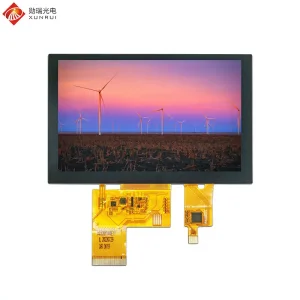
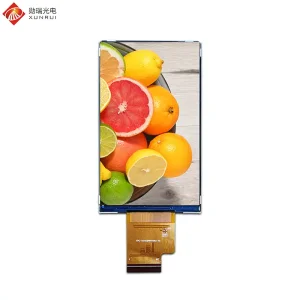
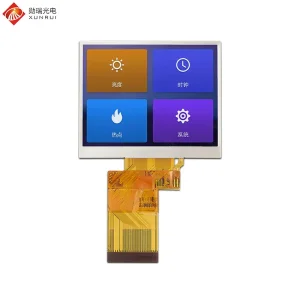
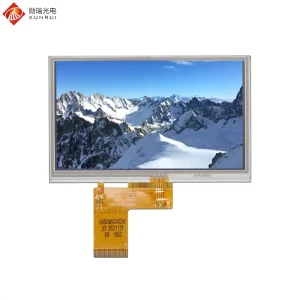
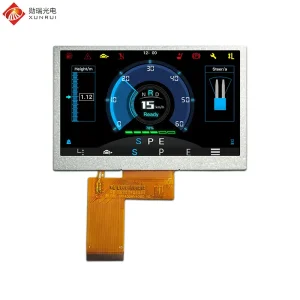
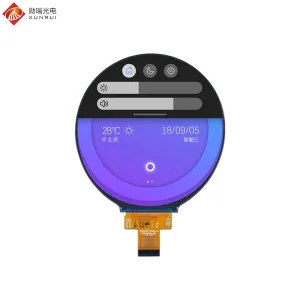
From ultra-compact wearables to large-format interfaces, we manufacture a wide range of display options with customizable touch integrations.
 Xunrui Display