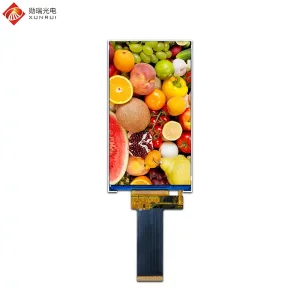
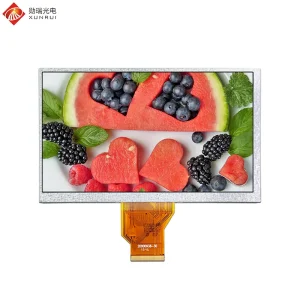
Deploying high-luminance active matrix displays optimized for southern subtropical environments.
In the industrial hotspots of Ciudad del Este, Asunción, and San Lorenzo, Paraguayan enterprises are aggressively modernizing infrastructure to meet global standards. From agricultural telemetry mounted directly on heavy machinery to ruggedized outdoor payment terminals and logistics fleet systems, standard off-the-shelf LCD modules fail. Standard panels, typically emitting under 350 nits of light, wash out under South America's intense solar radiation and degrade rapidly under high ambient temperatures. This whitepaper details the architectural design parameters of high brightness TFT LCDs (ranging from 800 to over 1300 nits) and profiles how Shenzhen Xunrui Optoelectronics Technology Co., Ltd. delivers customized display assemblies direct to Paraguay’s industrial base, blending premium material sciences with optimized logistics corridors.
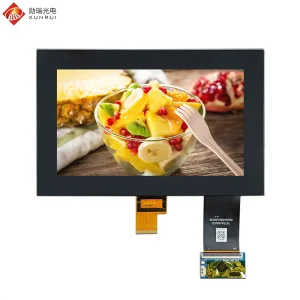
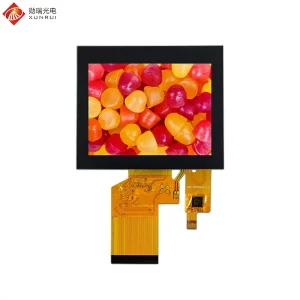
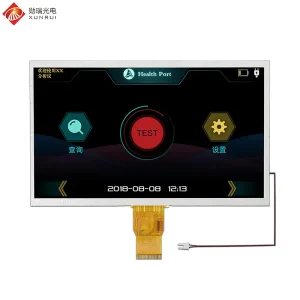
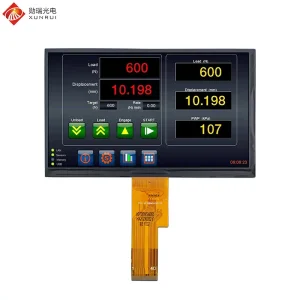
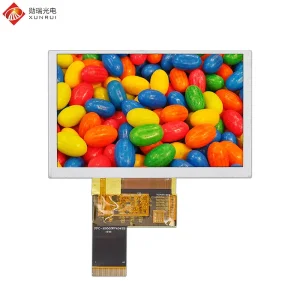
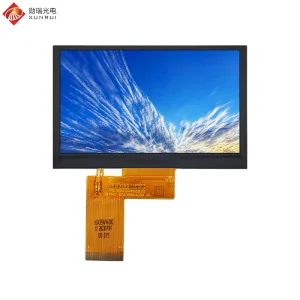
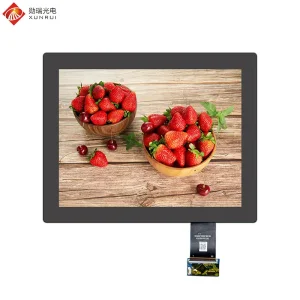
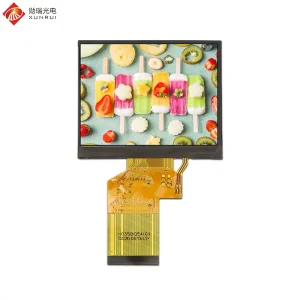
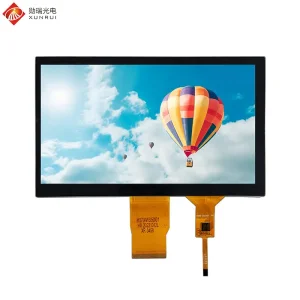
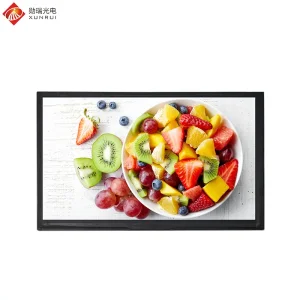
Highly requested active matrix modules with wide operating temperatures and integrated capacitive touch layers.
Paraguay represents one of the most dynamic emerging economies in South America. Driven by massive agro-industrial expansions, modernization of the Chaco regional transport infrastructure, and the expansion of urban smart utilities, the demand for visual interfaces is skyrocketing. Yet, deploying electronics in Paraguay poses unique environmental challenges. During the long summer months, regions like Mariscal Estigarribia and the Eastern plains encounter ambient temperatures exceeding 42°C (107.6°F), compounded by direct solar irradiance levels that rank among the highest globally.
Standard commercial liquid crystal displays suffer from two key failure modes in these conditions:
Addressing these environments requires industrial-grade wide-temperature liquid crystal fluids (-30°C to +85°C clearing point margins) coupled with high-efficiency LED backlight arrays and advanced heat dissemination mechanisms.
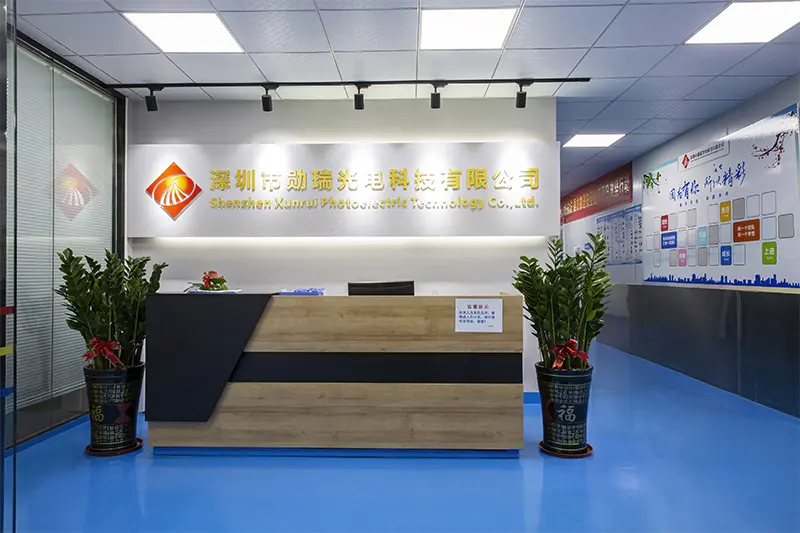
Established in 2016, we bridge the gap between heavy industrial requirements and advanced liquid crystal technology.
Shenzhen Xunrui Optoelectronics Technology Co., Ltd. has developed into a premier global player in liquid crystal module (LCM) design and manufacturing. Our business operates on a core thesis: providing customizable, high-end TFT-LCD arrays that withstand aggressive operational environments. Integrating a highly qualified engineering group with modern Cleanroom manufacturing facilities, we deliver high-reliability displays to over 3,000 corporate clients globally, specializing in tailored industrial configurations for medical imaging, outdoor kiosks, agritech controls, marine bridges, and high-temp automotive telematics.
How our engineered components retain superior optical contrast and energy efficiency under daylight exposure.
Luminance levels exceeding 1000 nits require massive current flows to the LED driver arrays. Standard modules suffer from localized thermal retention, causing quick panel degradation. Our designs leverage highly thermally conductive aluminum back-plates and optimized thermal interface materials (TIMs) that efficiently draw heat away from the backlight frame, maintaining stable junction temperatures and preserving the lifetime of the LEDs up to 50,000 hours.
Air bonding leaves a refractive air gap between the touch panel and the TFT glass, reflecting up to 8% of external ambient light and causing high glare. Through our advanced Optical Bonding (employing Liquid Optically Clear Adhesives - LOCA / Optical Clear Resin - OCR), we match the refractive index of the adhesive layers to the glass. This drops external light reflections to less than 0.5%, significantly improving readability without requiring extra power draw.
In vehicle dash consoles and heavy machinery cockpits, operators look at panels from wide, off-axis angles. Standard TN panels exhibit color inversion and severe contrast drops from vertical viewing directions. Our high brightness In-Plane Switching (IPS) panels deliver complete 85°/85°/85°/85° symmetrical viewing fields, ensuring accurate colors and legible text parameters from any angle.
We deliver system-level integrations custom-tailored to unique environmental and electronic specifications.
In the agricultural heartlands of Itapúa and Alto Paraná, grain harvesters and GPS guidance computers run in dust-heavy, vibrating environments under direct sunlight. Our customized 8-inch and 10.1-inch IPS modules are reinforced with anti-vibration framing, custom FPC routings to fit existing machine housings, and high-frequency noise-shielding layers to prevent electro-magnetic interference from the tractor's engine control units (ECUs).
As Paraguay rolls out smart cities, electronic toll stations, EV charging pillars, and digital transit signs, interactive components face continuous exposure to high UV index ratings and unexpected rainstorms. We integrate custom front cover glass (up to 6mm thick tempered glass, anti-shatter coatings, IK08-IK10 impact protection grades) and customize our capacitive touch sensor layers to allow error-free tracking even under heavy moisture or rain.
No two industrial setups share identical physical structures. We accommodate bespoke interface requests (AV, VGA, HDMI, LVDS, and MIPI), modify backlight layers to match strict power consumption limitations in solar-powered telemetry nodes, and design bespoke flexible printed circuits (FPCs) to match mechanical configurations seamlessly.
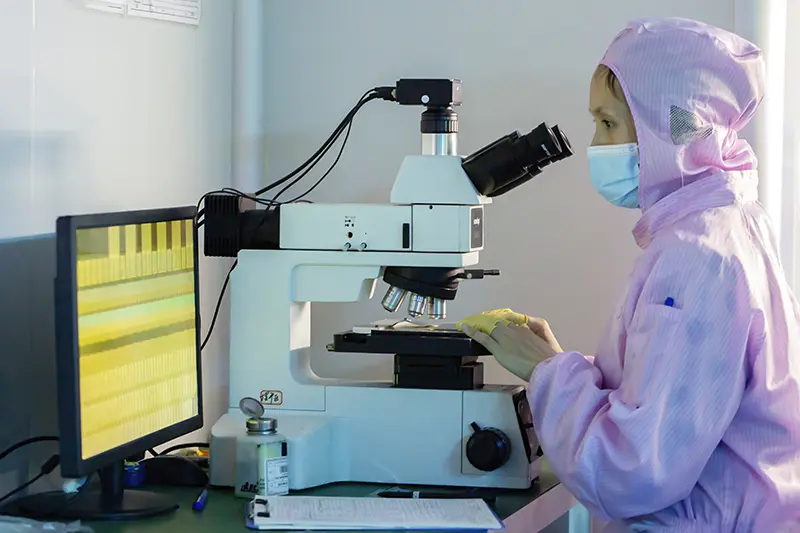
Modern smart display fabrication is a precision business with slim tolerances. Operating out of Shenzhen, the worldwide epicenter of optoelectronics R&D and raw substrate supply chains, Xunrui Optoelectronics capitalizes on immediate access to raw glass, polarizer films, capacitive sensors, and driver chip ICs. This direct geographical integration allows us to keep lead times brief and transition custom prototypes from design drawings to functional testing models within days.
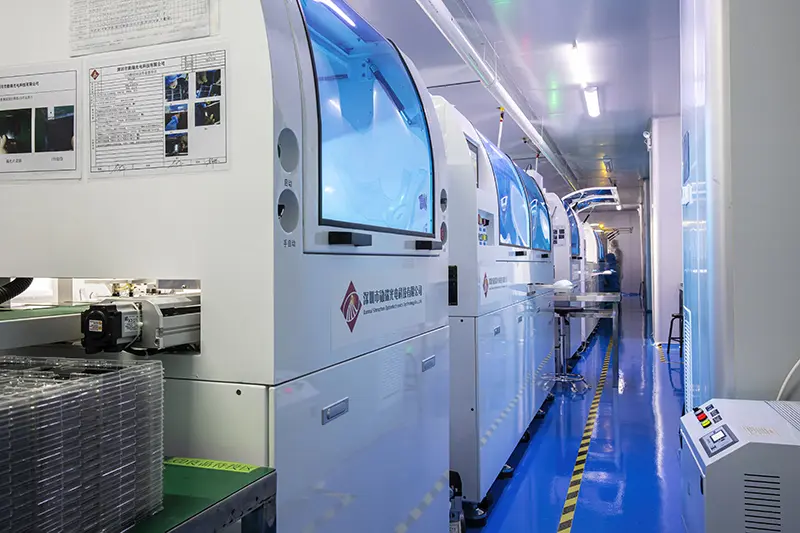
Our production plant leverages advanced automated LCM production technology. From automated glass sizing and polarizer lamination to precision high-density COG (Chip-on-Glass) and FOG (Flex-on-Glass) bonding machinery, our production processes reduce human error and guarantee stable consistency across long manufacturing runs.
"Full participation, meticulous research and development, continuous improvement, and sincere service."
We enforce strict inspection and environmental stress-testing stages for every batch of screens destined for South America.
Before assembly, all component layers undergo FOG lamination microscopy and backlit welding microscopic validation to verify zero micro-fractures, dust contamination, or trace solder issues, preventing field failures.
Displays are run continuously in customized heating chambers for high-temperature electrical connection aging. This forces any early-stage component defects to reveal themselves before outbound logistics packaging.
Our panels undergo rapid thermal shock cycling (-40°C to +85°C transitions), continuous high-humidity exposure (90% RH at 60°C), and structural vibration testing, simulating tough transport and agricultural conditions.
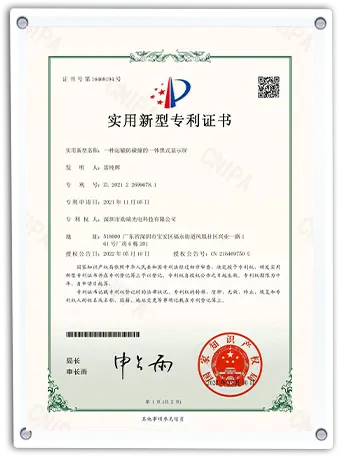
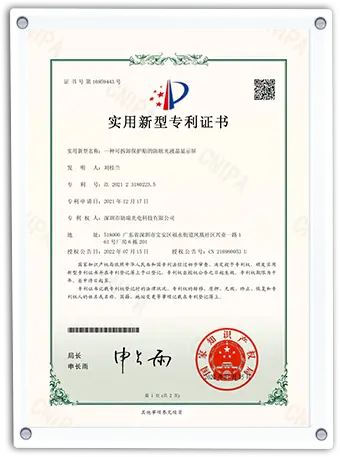
Explore our technical-grade IPS and TN matrices with custom interface boards and touch layers.
Shipping precision optoelectronics into Paraguay requires navigating Mercosur customs protocols and local importing regulations (e.g., DINAVISA for medical systems or general MIC import authorizations). Our logistics teams handle the necessary export certification documentation to facilitate clearance through airports in Asunción (Silvio Pettirossi International) and Ciudad del Este (Guaraní International).
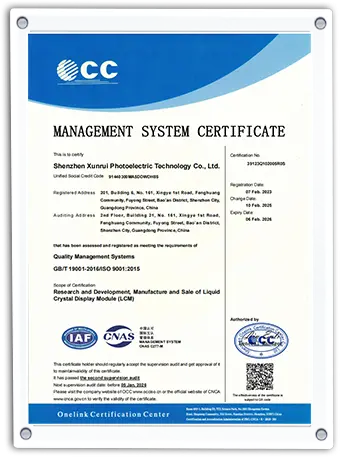
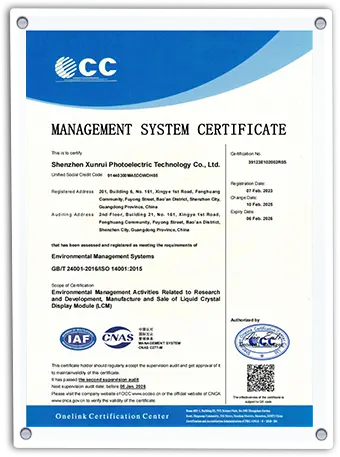
All of our LCMs carry CE, FCC, RoHS, and ISO9001:2015 certifications. We supply extensive test documentation, environmental profiles, and pin-out sheets to assist your local engineers through the implementation and certification phases.
How our core values direct the engineering, fabrication, and support of our products.
"Craftsmanship spirit forges products, and virtuous character builds careers. Let partners win together and promote social progress." We are dedicated to offering our clients displays that function flawlessly, regardless of climate or environmental conditions.
"Full participation, meticulous research and development, continuous improvement, and sincere service." Quality is not merely a gatekeeping stage; it is built into the design, testing, assembly, and customer feedback loops.
"Enhance quality, create brands, realize value, and achieve win-win cooperation." We view ourselves not just as a screen manufacturer, but as an engineering partner aiming to add value to our clients' hardware systems.
"Customer-centered, customer satisfaction; Adhere to the principle of quality first and be innovative." We support prototype adjustments and offer low minimum order quantities (MOQs) to ensure system developers can execute design testing smoothly.
Get clear answers to the most common engineering and shipping questions from system integrators in Paraguay.
For legible reading in outdoor environments, a minimum luminance of 800 to 1000 nits (cd/m²) is recommended. For high-glare environments, such as marine bridges or open agriculture panels, we recommend opting for 1200 to 1300 nits, paired with optical bonding (OCR/LOCA) to minimize internal reflections.
Air bonding leaves a gap of air between the cover glass and the TFT display. When light travels through different media (glass to air, then air to glass), refraction causes about 8% of the light to reflect, washing out the screen. Optical bonding fills this gap with an index-matched adhesive, reducing reflection to under 0.5% for much better outdoor contrast.
When standard liquid crystals hit 60°C–70°C under the sun, they lose their molecular alignment and turn black (isotropic state). We prevent this by using industrial-grade, wide-temperature liquid crystal fluids with clearing points up to +85°C, along with aluminum heat-spreaders to manage heat dissipation.
Yes, we support our clients through their early development phases. For standard sizes, our minimum order quantity starts at 1 unit, and we maintain safety stock (1,000 to 5,000 pieces) to ensure reliable replenishment cycles.
We support a wide range of interfaces, including LVDS, RGB, MIPI, MCU, and SPI. Additionally, we can supply custom control boards that convert signals to standard HDMI or VGA to simplify integration with industrial computer setups.
Partner with Shenzhen Xunrui Optoelectronics for robust, sunlight-readable solutions designed for Paraguay's challenging environments. Contact our engineering team today to request custom drawings, optical bonding evaluations, or a factory direct quote.
 Xunrui Display