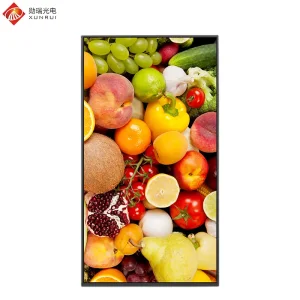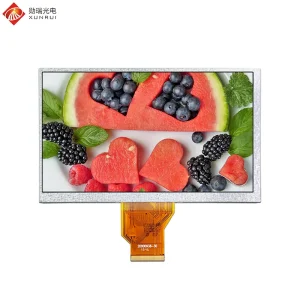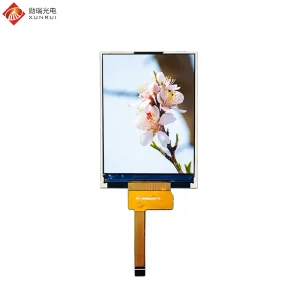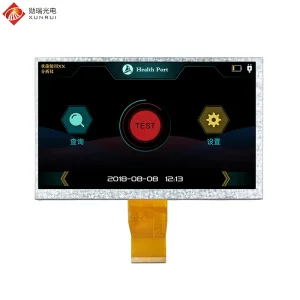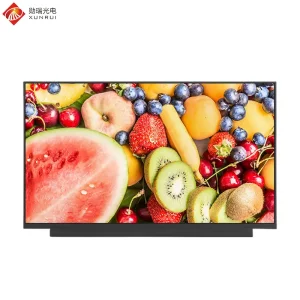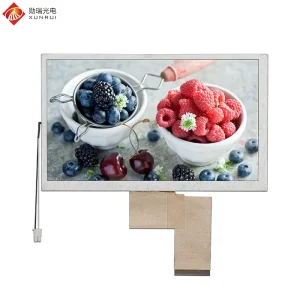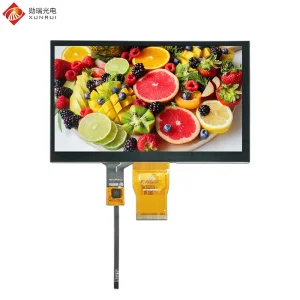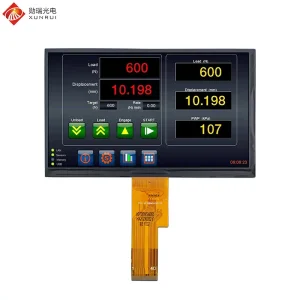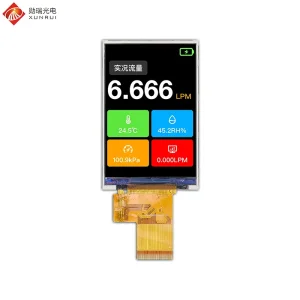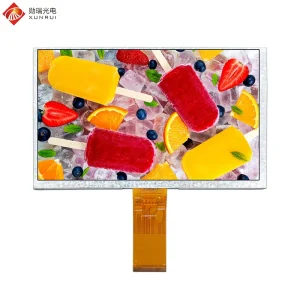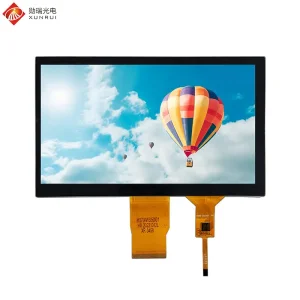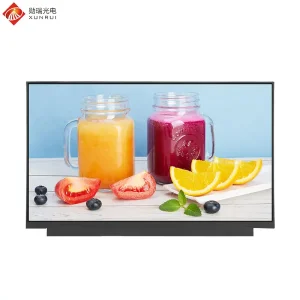
Custom 9 Inch TFT LCD Display Factories & Factory

Premium Industrial-Grade Optical Transmittance, Highly Customizable Resistive/Capacitive Touch Solutions, and Rugged Wide-Temperature Displays for Global OEM/ODM Terminals

1. Global Commercial & Industrial Landscape of 9-Inch TFT LCD Displays

The global market for visual displays is experiencing a paradigm shift towards highly specialized form factors. Among these, the 9-inch TFT LCD display stands as a critical nexus size. Bridging the gap between ultra-portable small-screen microdevices and bulkier large-format console screens, the 9-inch dimension offers the optimal physical footprint for information-dense Human-Machine Interfaces (HMIs). Industrial OEMs, automotive manufacturers, and medical instrumentation designers are increasingly adopting this form factor. This adoption is driven by the physical capability of the 9-inch display to provide legible, multi-touch control dashboards without compromising workspace efficiency.

Currently, the supply chain for 9-inch modules is concentrated in major electronic manufacturing hubs like Shenzhen, China, where factories like Shenzhen Xunrui Optoelectronics Technology Co., Ltd. integrate advanced R&D with vertical manufacturing capabilities. In Europe and North America, demand centers around highly specialized modifications, including sunlight readability (often requiring backlights that output upwards of 1000 nits), extreme operating temperature tolerances for outdoor systems, and robust electromagnetic compatibility (EMC) profiles for avionics and heavy manufacturing equipment. As IoT infrastructure expands globally, the 9-inch screen is transitioning from a simple visual monitor to an intelligent, interactive gateway.

2. Advanced Technical Parameters & Electrical Engineering Breakdown

Designing and deploying a reliable custom 9-inch TFT LCD requires a comprehensive understanding of display optics, electrical driving architectures, and material physics.

Optical Performance and Viewing Angle Architecture

Traditional In-Plane Switching (IPS) and Twisted Nematic (TN) liquid crystal modes serve different application spectra. IPS displays are the gold standard for medical and marine instrumentation, offering full 85°/85°/85°/85° symmetrical viewing angles. This ensures that operators can read precise data points without color inversion or contrast degradation, even when viewed off-axis. TN panels, conversely, remain highly cost-effective and exhibit rapid response times, making them suitable for consumer-facing kiosks and dedicated secondary monitoring modules.

Signal Interface Standardization (LVDS vs. MIPI D-PHY)

Choosing the electrical interface is critical for bandwidth and electromagnetic interference (EMI) management:

  • LVDS (Low-Voltage Differential Signaling): Ideal for industrial applications requiring longer cables between the primary controller and display panel. Its differential nature minimizes electromagnetic radiation and resists noise.
  • MIPI (Mobile Industry Processor Interface): Utilizes a D-PHY serial link, reducing pin count to streamline thin-profile designs. MIPI is the preferred interface for high-resolution 9-inch displays driven by advanced mobile processors (e.g., ARM-based SOCs).
  • RGB Parallel: Often employed in cost-sensitive legacy microcontrollers, supporting standard definition interfaces with 24-bit color depths.

Thermal Dissipation and Backlight Engineering

High-brightness backlights generating over 1000 nits require sophisticated thermal engineering. Without proper heat dissipation, the localized temperature can exceed the liquid crystal's clearing point, resulting in isotropic phase transition (black spots on the active area). Specialized factories build backlights using high-efficiency LED drivers combined with thermally conductive copper substrates to draw heat away from the TFT cell, maintaining a safe delta-T even in sealed enclosures.

3. Customization Architecture: Tailoring Displays to Harsh Environments

Standard off-the-shelf display products rarely meet the demanding requirements of industrial installations. Hardware customization is essential for optimal integration.

Flexible Printed Circuit (FPC) Customization

Alteration of output trace patterns, connector models, pin definitions, EMI shielding tapes, and integration of electrostatic discharge (ESD) components directly on the FPC tail.

Advanced Optical Bonding (OCR & OCA)

Replacing the air gap between the cover glass and the polarizers with a solid refractive-index-matched resin. This minimizes internal reflections by up to 90% and enhances impact resistance.

Cover Glass & Surface Treatment Coating

Application of Anti-Glare (AG), Anti-Reflective (AR), and Anti-Fingerprint (AF) chemical vapor coatings to combat blinding glare and maintain capacitive multi-touch sensitivity.

4. Manufacturing and Rigorous Quality Assurance Standards

At Shenzhen Xunrui Optoelectronics Technology Co., Ltd., we operate under a zero-defect framework designed for mission-critical industrial components. The lifecycle of our 9-inch TFT display production runs through a strict, multi-stage testing process:

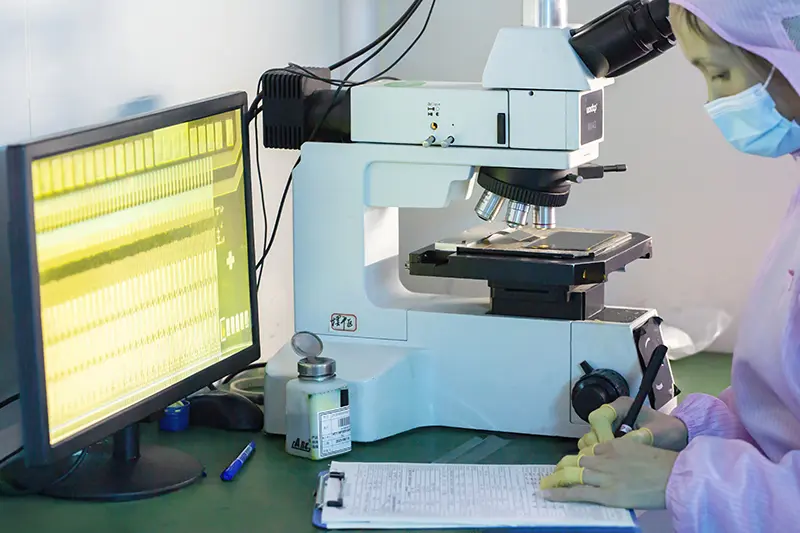
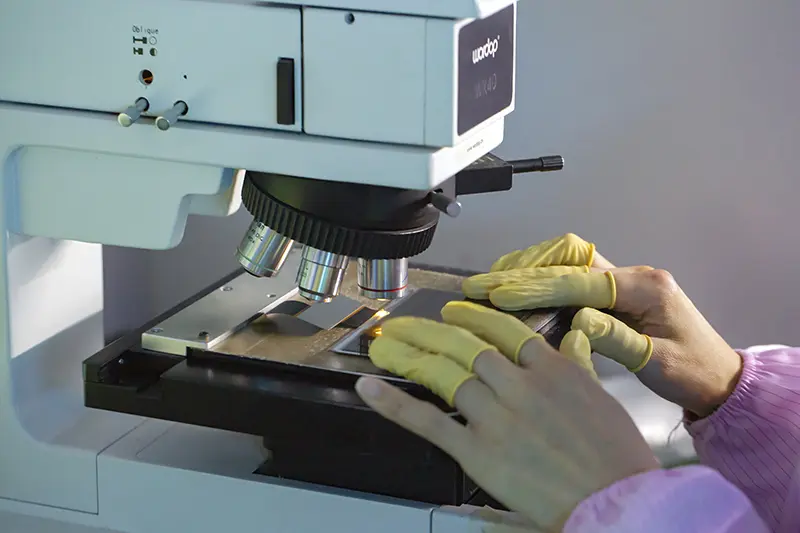
  • Microscopic Inspection: Using high-magnification digital microscopy on both the FOG (Flex-on-Glass) lamination lines and backlight welding connections to detect micro-cracks and misalignment before assembly.
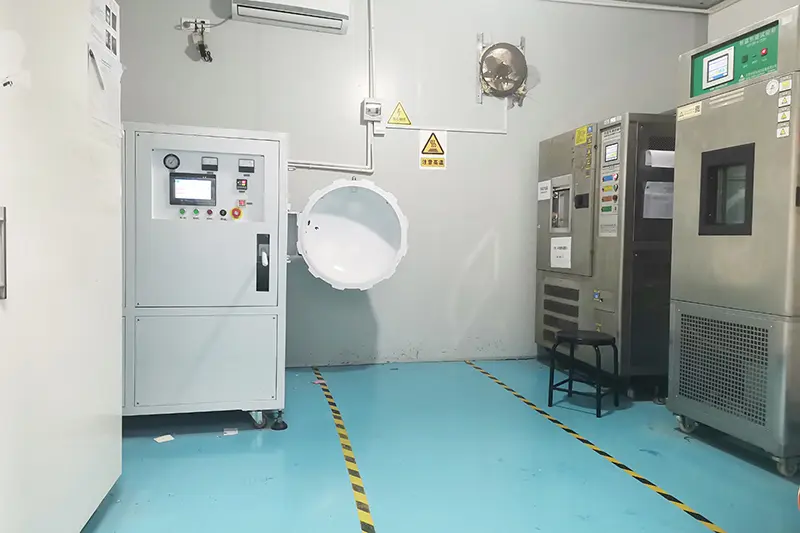
  • Environmental Stress Testing: Modules are subjected to thermal shock testing (-40°C to +85°C), high-humidity aging (60°C with 90% Relative Humidity for 240 hours), and high-frequency vibration testing to simulate harsh operational conditions.
  • Optical Calibration: Utilizing high-precision colorimeters to calibrate color temperature uniformity and luminance distribution across the screen, ensuring a deviation of less than 10% across all nine standard test points.
5,000㎡
Factory Area
100+
Skilled Personnel
2M Pcs
Monthly Production
3,000+
Global Customers
10+ Yrs
Industry Experience

About Xunrui Optoelectronics

A premier Chinese manufacturing enterprise specialized in high-performance liquid crystal module R&D, custom manufacturing, and global commercial supply.

Xunrui Display Factory Tour

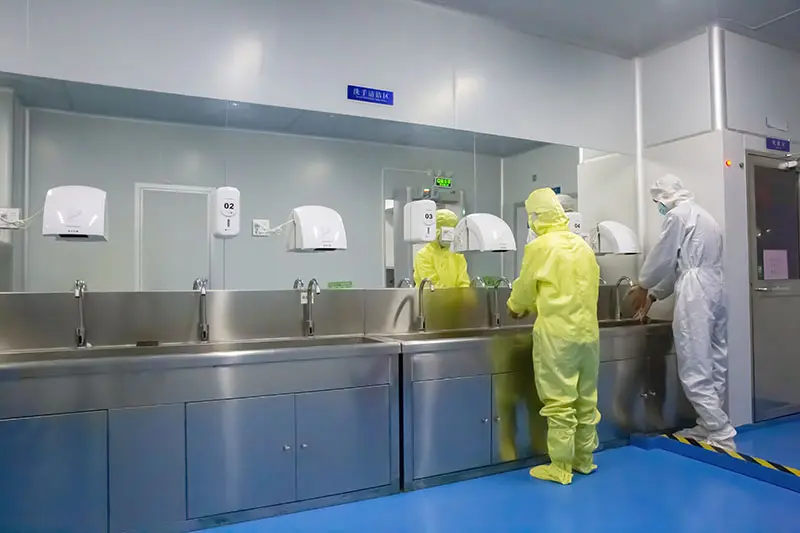
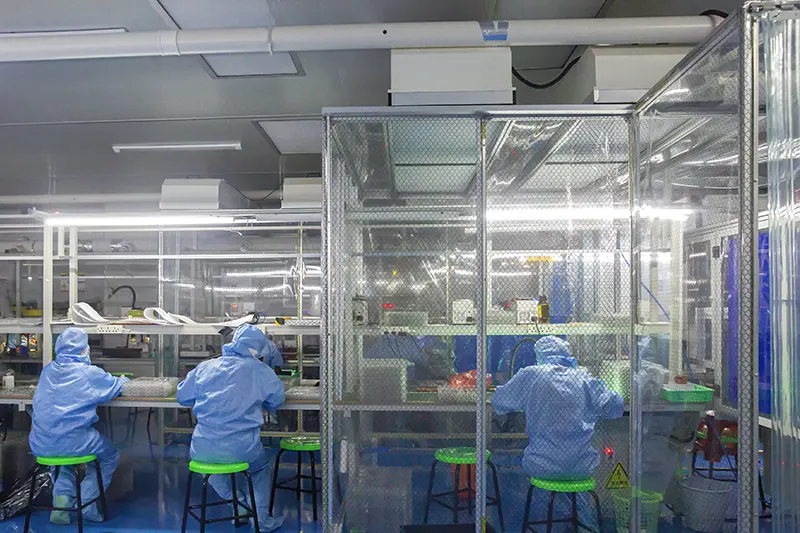
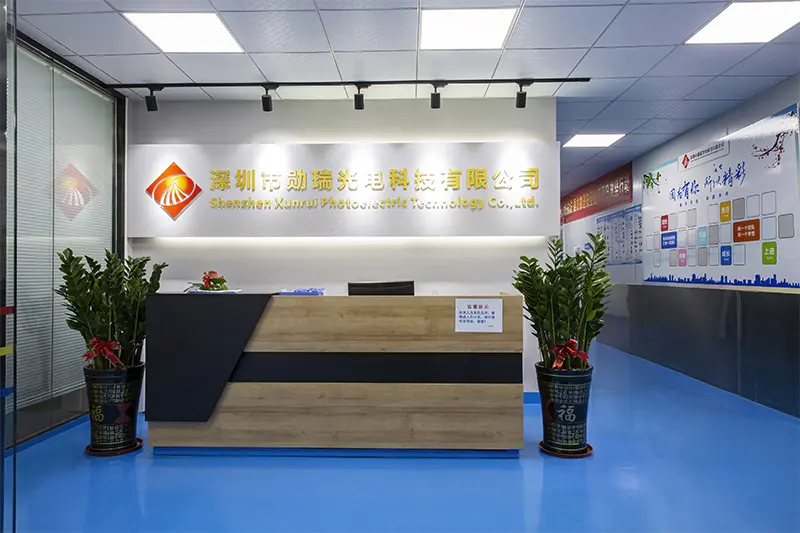
Founded in 2016, Shenzhen Xunrui Optoelectronics Technology Co., Ltd. is a state-level high-tech enterprise dedicated to the research, development, assembly, and customer service of high-quality liquid crystal displays. Our facilities house modern class-1,000 and class-10,000 cleanrooms and advanced automated packaging equipment.

We prioritize custom engineering, investing more than 30% of our annual net profit into R&D. Whether modifying the backlight luminance, adapting FPC layouts, or designing proprietary controller interfaces, our engineering team ensures that each design satisfies the rigorous standards of our global client base.

  • Comprehensive display sizes ranging from 0.96 inch to 27 inch.
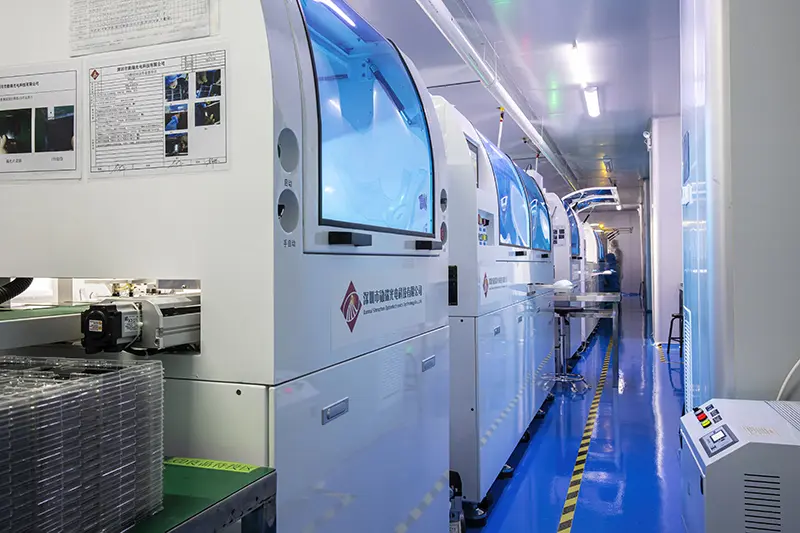
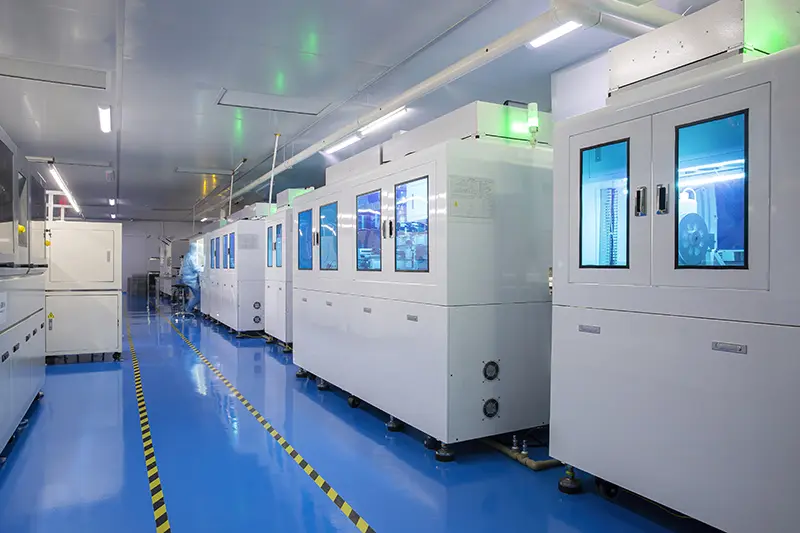
  • Advanced production systems with 30 sets of precision testing and assembly machinery.
  • Flexible manufacturing capable of handling low-volume, high-mix custom orders.
  • Robust quality control encompassing 5 diagnostic checkpoints and 4 environmental tests.

5. Industrial Applications & Macro-Industry Solutions

The custom 9-inch display occupies a unique niche in many highly regulated, mission-critical sectors. Below are the macro-industry solutions designed and supported by our engineering team:

Smart Agriculture & Heavy Machinery Dashboard Systems

Agricultural equipment operates in dust-prone, high-vibration, and bright sunlight environments. Our customized 9-inch TN or IPS panels feature ruggedized 4mm chemically strengthened cover plates and IP67-rated bezel sealing. They support gloved-finger operation on capacitive screens, ensuring smooth performance during harvest cycles.

Medical Diagnostic Consoles & Patient Monitors

In healthcare, precise imaging and cleanability are non-negotiable. Using optical bonding technology, our 9-inch display solutions eliminate dust-collecting air gaps. The display surfaces are resistant to harsh chemical sterilizers, such as isopropyl alcohol, and meet medical emission and susceptibility criteria.

Electric Vehicle (EV) Charging Stations & Outdoor Kiosks

Outdoor charging stations must endure all weather conditions. We integrate high-efficiency LED backlights capable of producing 1500 nits of brightness with localized dimming algorithms. This ensures legible information display in direct sunlight while reducing thermal load and power consumption during peak operational periods.

6. Technological Roadmap & Future Horizons

As visual display demands evolve, several key technologies are shaping the future of the custom 9-inch form factor:

First, the integration of Mini-LED backlighting is gaining traction. By utilizing thousands of microscopic LED diodes partitioned into hundreds of local dimming zones, Mini-LEDs offer contrast ratios close to OLEDs while retaining the long operational life and reliability of inorganic TFT structures.

Second, there is a strong industry push towards TDDI (Touch and Display Driver Integration). Consolidating the display driver and touch controller IC into a single silicon chip reduces overall substrate thickness and lowers EMI susceptibility, simplifying custom system integration. Finally, energy-efficient panel designs, including IGZO (Indium Gallium Zinc Oxide) backplanes, are enabling lower idle power consumption, which is critical for remote IoT terminals powered by solar cells or batteries.

Factory Operations & Production Environments

Clean Room Assembly Process
Automated Alignment Calibration
Rigorous Quality Inspection Checkpoint
Warehouse and Final Logistics Management

Corporate Principles & Honors

Operating with corporate responsibility and certified manufacturing excellence.

Corporate Mission

"Craftsmanship spirit forges products, and virtuous character builds careers. Let partners win together and promote social progress." We strive to create reliable interfaces that empower industrial connections worldwide.

Quality Policy

"Full participation, meticulous research and development, continuous improvement, and sincere service." We implement an active feedback loop where data from environmental tests directly informs new product designs.

Enterprise Spirit

"Enhance quality, create brands, realize value, and achieve win-win cooperation." We provide comprehensive ODM & OEM services backed by real-world engineering data and transparent material declarations.

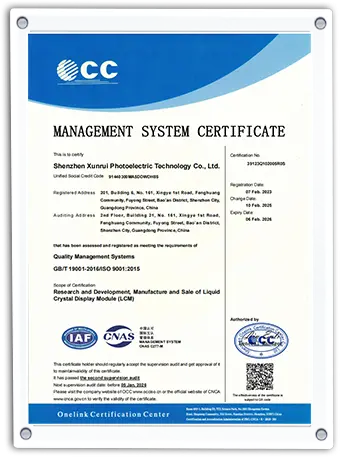
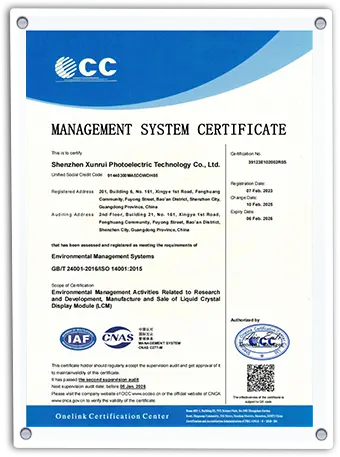
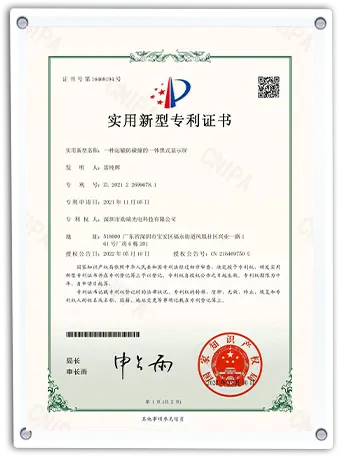
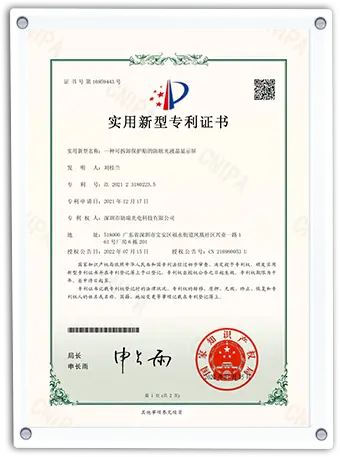
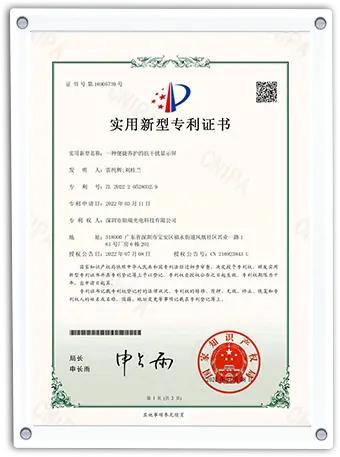
Verified Certification & Compliance Honors

Compliance Certificate 1
Compliance Certificate 2
Compliance Certificate 3
Compliance Certificate 4
Compliance Certificate 5
Compliance Certificate 6
Compliance Certificate 7
Compliance Certificate 8

Custom TFT LCD Integration FAQ

Technical answers to common engineering questions regarding the application and customization of industrial-grade display panels.

How does Xunrui calculate and achieve sunlight readability for custom 9-inch displays?
Sunlight readability depends on both panel luminance and surface reflection. For high-glare environments, we configure the backlight array with high-efficiency LEDs to output 1000 to 1500 nits. Additionally, we utilize circular polarizers and opt for optical bonding (OCA/OCR) to reduce the ambient light reflection from 4-5% down to less than 0.5%, keeping the display legible in bright daylight without driving the backlight to thermal extremes.
What touchscreen controller options are supported for industrial-grade systems?
We support industrial capacitive touch controllers from leading brands like Goodix, FocalTech, ILITEK, and Microchip. For systems requiring noise immunity, we configure controllers with advanced firmware tuning to support gloved-hand operation, water-rejection algorithms, and compliance with CS 10V (conducted susceptibility) industrial standards.
How can FPC layout variations be customized, and what is the MOQ?
For custom FPCs, we modify pin assignments, trace lengths, and mechanical bend zones to accommodate tight enclosures. For completely custom designs, the FPC tooling fee is nominal. While our safety stock allows an MOQ of 1 piece for standard sizes, customized FPC production generally starts at 1,000 units, depending on the complexity of the integrated circuits and component sourcing.
What testing procedures do the displays undergo to verify product longevity?
All production batches undergo FOG bond-line inspection and a three-stage aging protocol. This includes FOG electrical testing, high-temperature storage baking, and a 72-hour continuous electrical stress test of the final display module. Mechanical integrity is verified through controlled drop tests and multi-axis vibration testing.
Can you support conversions between different display interfaces, such as converting LVDS or RGB to HDMI/VGA?
Yes. Our engineering department regularly designs custom driver boards integrated with interface bridge chips (e.g., Lontium, ITE). We provide customized controller solutions that convert standard LVDS, MIPI, or RGB signals to HDMI, VGA, or DisplayPort, facilitating connection to x86 or industrial PC host cards.
What surface protection ratings and cover glass treatments can you apply?
We offer cover glass customizations up to 8H Mohs hardness and impact resistances up to IK10. Customers can specify Anti-Glare (AG) treatment (to scatter reflections), Anti-Reflective (AR) coating (to maximize light transmission), or Anti-Fingerprint (AF) hydrophobic layers to prevent contamination from grease and oils.