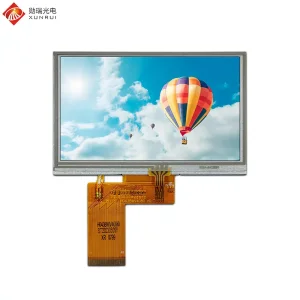
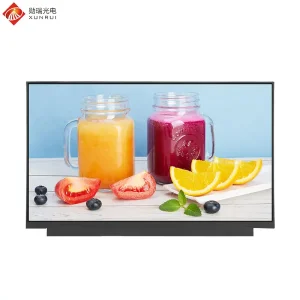
Explore our primary range of liquid crystal display modules. These core industrial models represent the foundation of our engineering capability, supporting customized active matrices, driving boards, and specialized touch inputs.
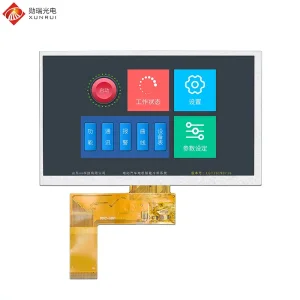
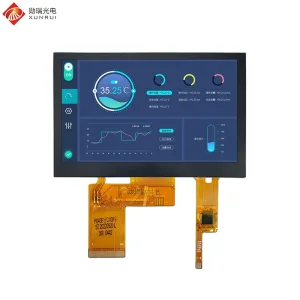
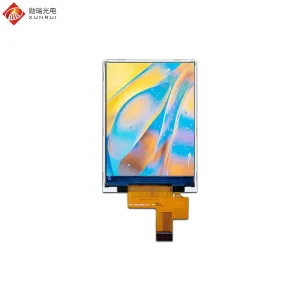
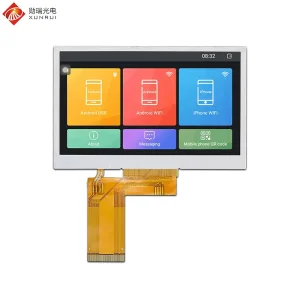
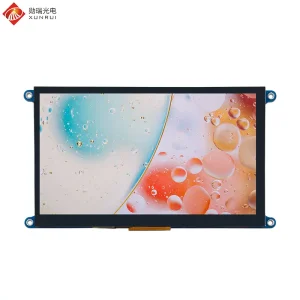
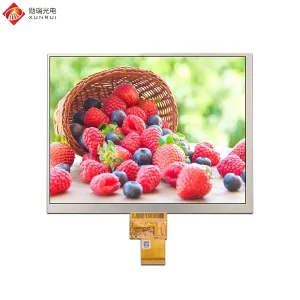
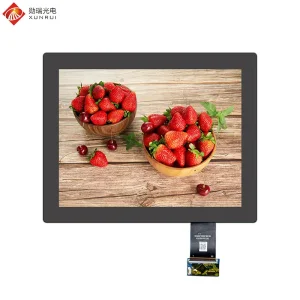
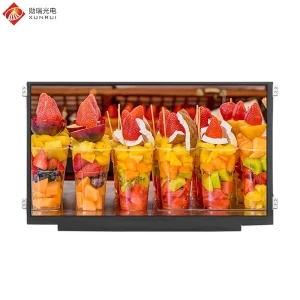
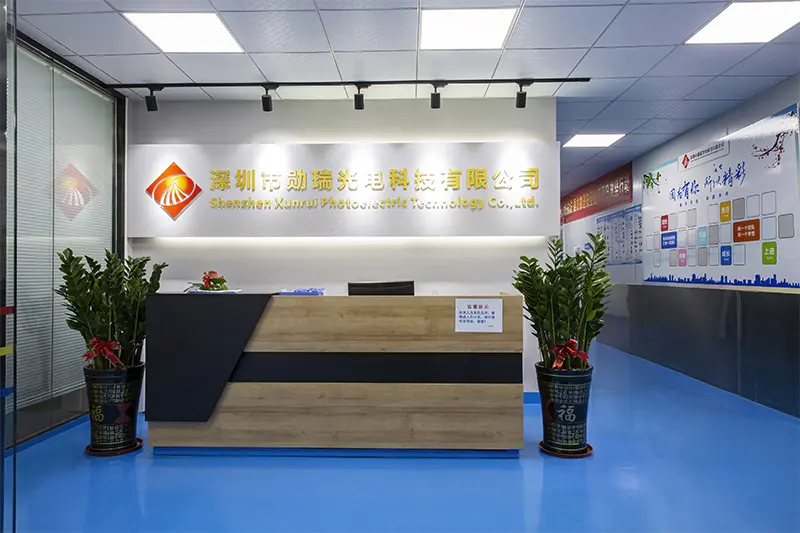
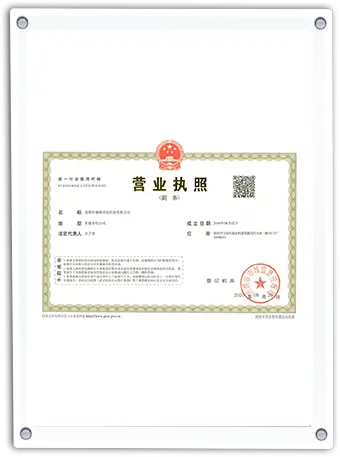
Founded in 2016, Shenzhen Xunrui Optoelectronics Technology Co., Ltd. is an engineering-driven, high-tech enterprise specializing in the research, design, production, and distribution of liquid crystal module (LCM) products. From our modern headquarters in Shenzhen, we support worldwide electronics manufacturers with custom display architectures and specialized interfaces.
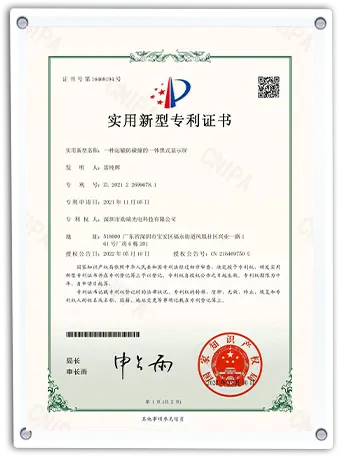
Our organization is built around the ethos of craftsmanship and absolute reliability. By reinvesting over 30% of our net annual profits back into our engineering R&D team, we keep pace with next-generation optical and tactile display technologies. This enables Xunrui to provide customizable, highly differentiated hardware integration options that withstand rugged, long-life, and precise operations.
Understanding optical layers, electrical signaling, and tactile integrations is critical when qualifying an OEM display manufacturer. Let's analyze the parameters that define industrial display engineering.
Our custom 8-inch screens are engineered with In-Plane Switching (IPS) or Twisted Nematic (TN) cell configurations. TN configurations offer excellent response times for basic instrumentation displays. However, high-performance HMIs utilize IPS technology. IPS shifts the liquid crystal molecules parallel to the glass plate, maintaining uniform transmission values at angles up to 178° vertical and horizontal. This prevents grayscale inversion and color shifts.
We provide a range of signal architectures tailored to different processing units. These include Low-Voltage Differential Signaling (LVDS), which reduces electromagnetic interference (EMI) across long transmission paths, and classic RGB interfaces (40-pin or 50-pin) for standard microcontrollers. Additionally, we offer MIPI D-PHY interfaces for compact processing layouts and integrated HDMI controllers for single-board computers.
Outdoor legibility is achieved by engineering high-efficiency LED arrays. We design custom LED backlights that range from 300 nits for indoor settings to over 1000 nits for daylight viewing. We select matching LED drivers to maintain low power draw and prevent thermal runaway. This guarantees that our backlights can operate for 50,000 hours (MTBF) without degrading brightness.
Depending on the operating environment of your display, we offer two lamination techniques for integrating touch sensors (Capacitive or Resistive):
 Air Bonding (Tape Lamination): The sensor is bonded to the LCD frame using double-sided adhesive. This is an efficient, cost-effective method for indoor devices.Optical Bonding (LOCA / OCA): We inject Liquid Optically Clear Adhesive (LOCA) or apply optical film (OCA) to fill the air gap between the cover glass, touch panel, and active matrix. This eliminates internal reflections, boosts contrast by up to 400% in bright light, and prevents condensation in high-humidity zones.
Our product lineup features high-resolution liquid crystal screens ranging from 0.96 inches to 27 inches. Our core manufacturing capabilities focus on mid-sized modules: 1.8”, 2.1”, 3.5”, 4.3”, 5”, 5.5”, 7”, 8”, 9”, 10.1”, 11.6”, 13.3”, and 15.6”. Across these form factors, over 60% of our products are customized to match client specifications.
We supply diverse display formats to fit unique mechanical enclosures, including standard 4:3 configurations, panoramic bar screens, square arrays, round designs, and semi-reflective/transflective panels for low-power outdoor readability.
We combine craftsmanship with character to build reliable display solutions, creating win-win partnerships that support industrial and technological progress.
We drive continuous improvement through active cross-functional participation, rigorous R&D, and responsive customer service.
The 8-inch screen is a versatile form factor that balances visual space with compact housing. It is a widely used configuration in both demanding industrial environments and high-traffic consumer electronics.
Our displays are designed to resist high electromagnetic interference (EMI) and power line fluctuations in industrial environments. This makes them ideal for CNC controller panels, automated assembly lines, and factory floor monitoring systems.
Our screens provide the high color accuracy and wide viewing angles required for clinical diagnostic tools, patient monitors, and laboratory analysis equipment, ensuring readability when viewed from various angles.
We build high-durability displays designed for commercial self-service kiosks, banking terminals, and retail cash registers. These screens feature robust touch panels built to withstand heavy daily use.
Designed for wide operating temperatures, our transit panels perform reliably under varying weather conditions. They are suited for agricultural equipment, marine instrumentation panels, and commercial vehicle dashboards.
We provide end-to-end engineering support. We collaborate directly with your product developers to customize display modules to your specific electrical and mechanical requirements.
We custom-design flexible printed circuit board layouts. This includes adjusting length, orientation, pin counts, and EMI shielding layers to fit your internal routing paths.
We offer custom 4-wire and 5-wire resistive touch panels for high EMI zones, alongside multi-touch capacitive panels featuring custom glass thickness and anti-glare/anti-reflective surface treatments.
We adjust brightness outputs up to 1000+ nits to suit daylight conditions, and optimize thermal management using high-conductivity aluminum backplates.
We design scaler boards to translate standard inputs (like VGA, HDMI, AV, or DisplayPort) to target module interfaces, such as LVDS, RGB, or MIPI.

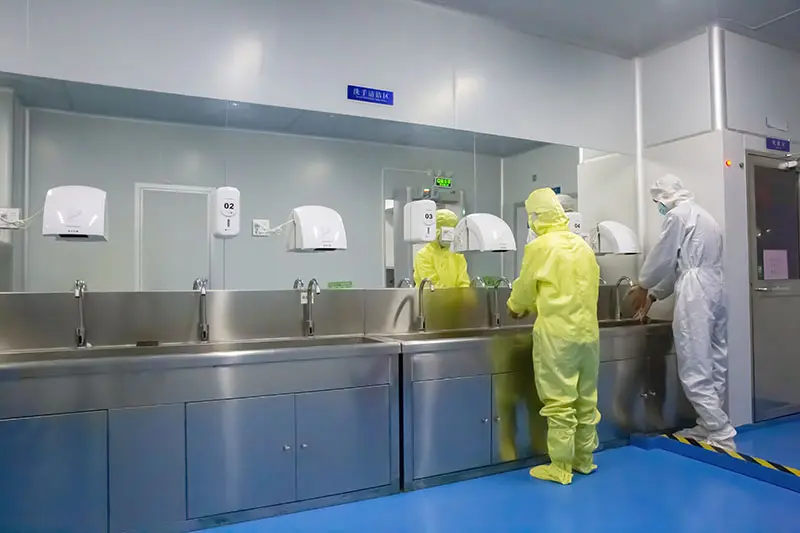
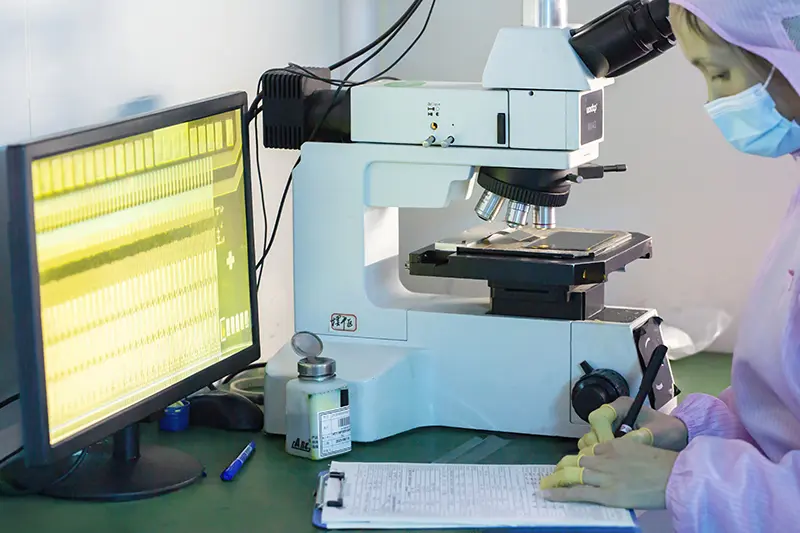
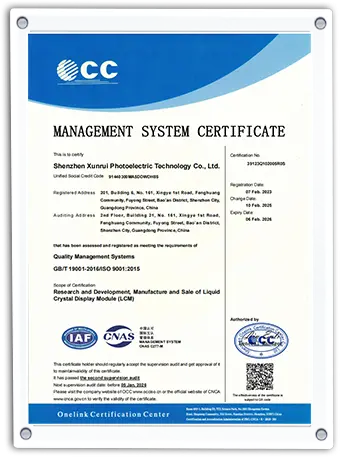
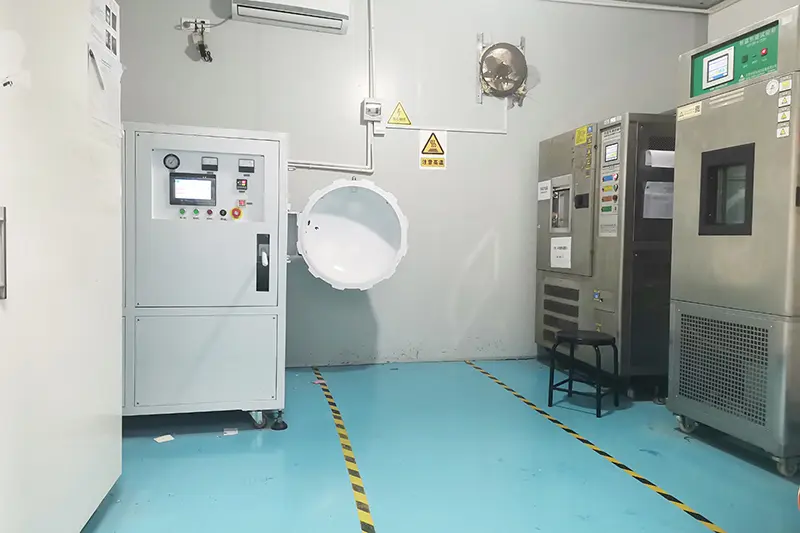
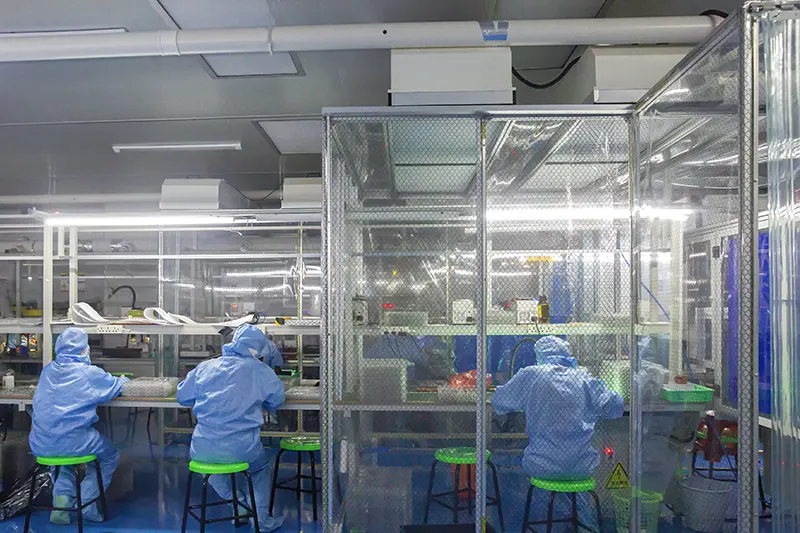
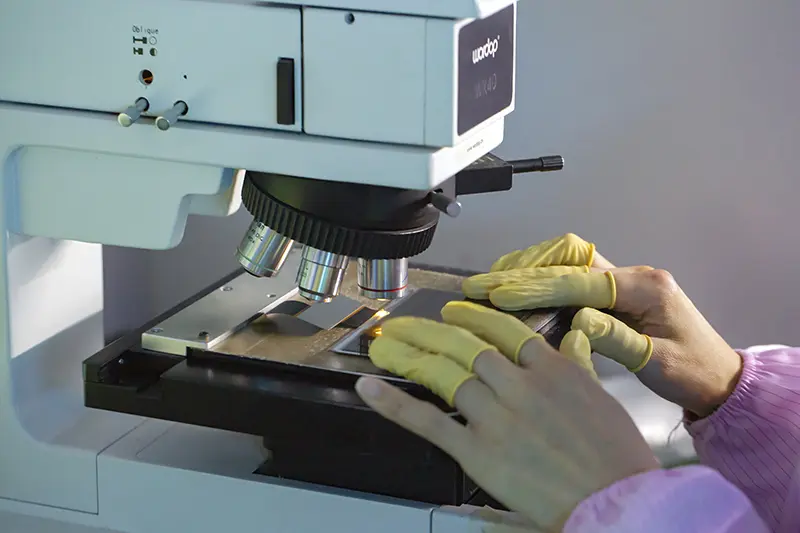
We maintain high product reliability by using a comprehensive, multi-stage testing process. This quality verification path checks all raw materials, assembly steps, and final products.
We perform FOG (Film on Glass) alignment microscopy to verify trace alignments at the micron level, and backlight weld microscopy to inspect solder integrity, preventing open-circuit errors during thermal cycling.
Modules undergo FOG electrical connection aging, FOG high-temperature bake aging, and high-temperature electrical connection aging on the completed assembly to screen out early-life failures.
We validate mechanical design and structural integrity through high temperature/high humidity tests, thermal shock testing (-40°C to +85°C), vibration tests, and free-fall drop tests.
Every production lot at Xunrui passes through five inspection gates managed by our quality engineering division:
To assist small production runs and prototype development, we support safety stock levels ranging from 1,000 to 5,000 units on standard sizes. This allows us to fulfill small orders quickly, starting from 1 unit.
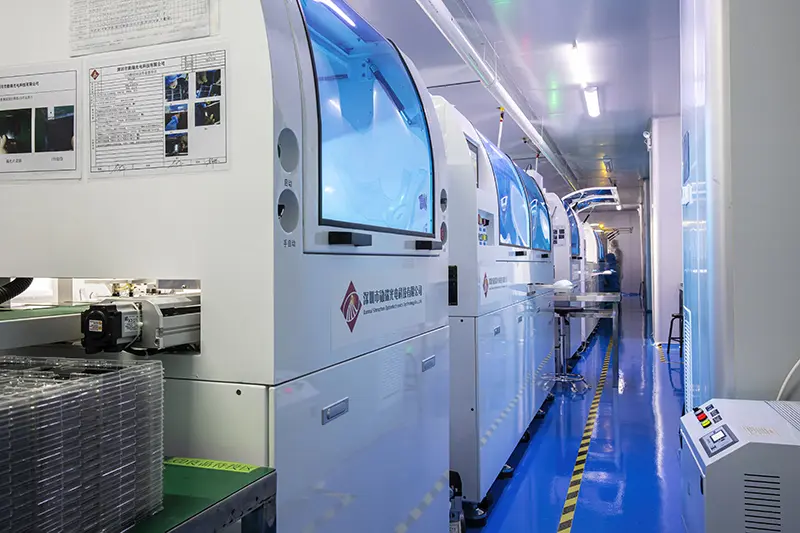
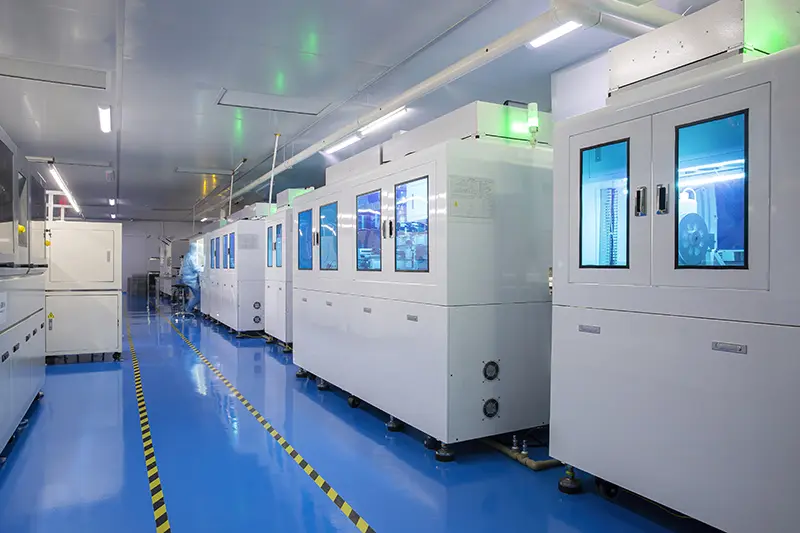
Operating from Shenzhen, China, gives our organization access to a highly integrated supply chain. We are located near global panel glass suppliers, optical component manufacturers, and flexible substrate fabricators. This allows us to source raw materials and manufacture finished modules efficiently.
Our localized supply chain reduces material transit times and facilitates direct engineering collaboration. This ecosystem enables us to deliver custom-prototyped flex layouts within two weeks, helping clients speed up their product development cycles. It also helps us maintain stable raw material access to secure production schedules during global component shortages.
We keep our displays up-to-date with emerging optical standards. Our development roadmap includes integrating Mini-LED backlight arrays into our mid-sized displays to improve local dimming and lower power consumption. We are also designing smart display modules that integrate processing units directly onto the display chassis.
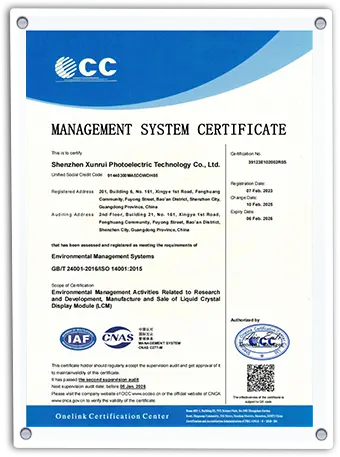
In addition, we work to minimize our environmental footprint. We use halogen-free materials, follow RoHS and REACH guidelines, and implement energy conservation practices across all our manufacturing processes.
Review answers to common technical, design, and purchasing questions regarding custom 8-inch liquid crystal modules.
The choice between these interfaces depends on your resolution and system architecture. The RGB interface is a standard parallel protocol where data is transmitted on each clock cycle, suited for microcontrollers displaying lower-resolution interfaces. However, parallel lines are prone to electromagnetic interference (EMI) and signal skew on cables longer than 15 cm.
LVDS (Low-Voltage Differential Signaling) uses differential lines to transmit serialized high-resolution data (like 1024x768). This differential approach rejects common-mode noise, allowing longer cable runs and reliable operation in noisy electrical environments like industrial automation setups.
We use two key techniques to achieve outdoor legibility. First, we customize the LED backlight array to increase output brightness from a standard 300 nits to 1000 nits or more. Second, we recommend optical bonding (using OCA or LOCA) instead of perimeter tape bonding. Filling the air gap reduces internal light refraction, which helps maintain clear contrast and color saturation in bright daylight.
While we support safety stock levels for fast delivery of standard sizes, customized flexible print circuits (FPC), custom touch covers, or high-brightness backlights require dedicated production setups. The minimum order quantity (MOQ) for custom assemblies typically starts at 1,000 units, depending on the complexity of the modification. We also provide initial engineering sample runs to support prototype validation.
Projected Capacitive Touch Panels (PCAP/CTP) calculate touch coordinates based on capacitance changes. These panels can be affected by water droplets or gloved hands. To prevent unintended inputs, we program matching controller integrated circuits (such as ILITEK, FocalTech, or Goodix) with specialized firmware algorithms that distinguish between water films, gloves, and direct touch inputs. Alternatively, we supply resistive touch panels for environments that require mechanical-pressure operation.
Industrial applications often require stable product supply over long lifecycles. We work closely with panel glass suppliers and IC manufacturers to ensure our custom 8-inch industrial display modules remain available for a 5-to-10-year lifecycle. In the event of component obsolescence, we notify clients early and design drop-in replacements to prevent product line disruptions.
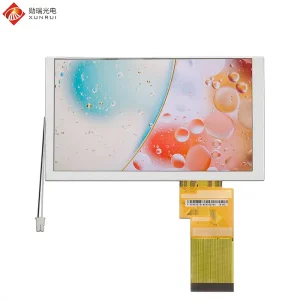
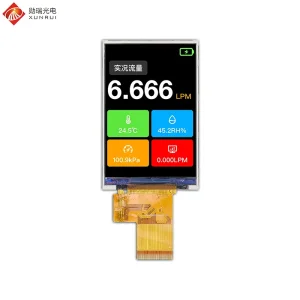
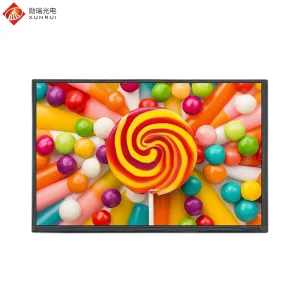
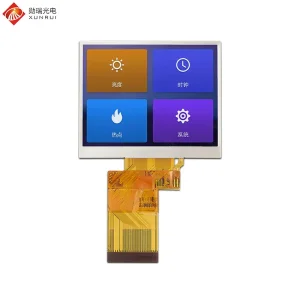
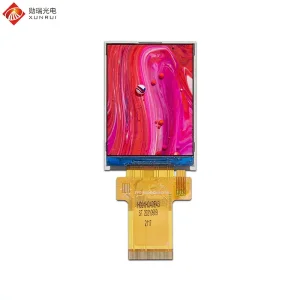
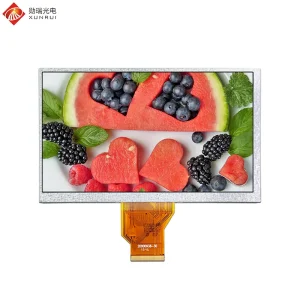
View additional display models from our manufacturing facility. We provide these units across different glass configurations and touch screen interfaces.
 Xunrui Display