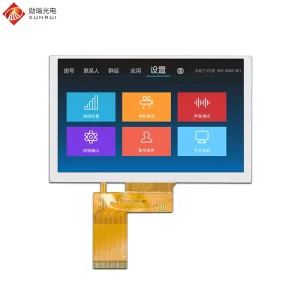
Explore our industrial-grade displays, engineered for precision, high luminance, and wide temperature tolerance across diverse global hardware designs.
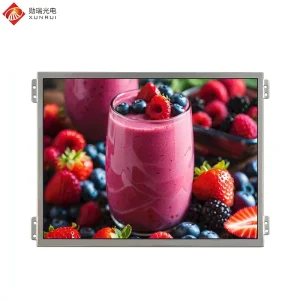
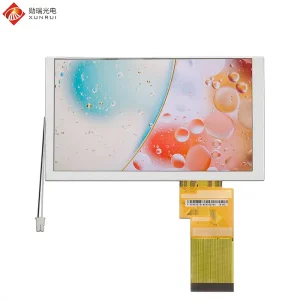
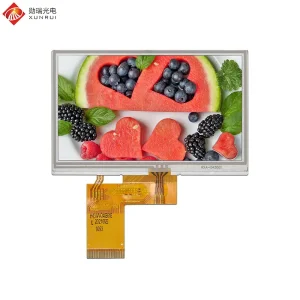
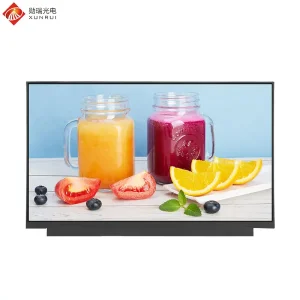
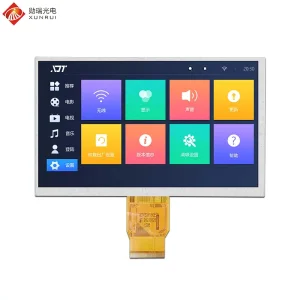
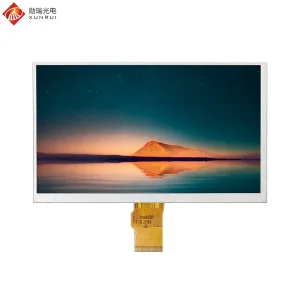
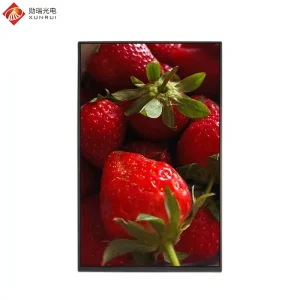
In the rapidly evolving landscape of smart hardware, industrial automation, and professional medical diagnostics, the 10.1-inch LCD screen has emerged as the global industry benchmark for human-machine interfaces (HMI). Balancing structural compact dimensions with sufficient display surface area, this form factor delivers clear, rich data visualization without demanding the high energy footprints or chassis profiles of larger display panels. However, sourcing a 10.1-inch display is not merely a matter of dimensional fit; it requires deep analysis of liquid crystal dynamics, active-matrix backplane engineering, backlight efficiency, and thermal management properties.
Engineers must choose between two predominant panel technologies based on the intended application: In-Plane Switching (IPS) and Twisted Nematic (TN). IPS panels represent the gold standard for multi-user visual applications. By aligning liquid crystals parallel to the glass substrates and rotating them within the plane of the panel, IPS displays achieve symmetrical 178° viewing angles across both horizontal and vertical axes. This prevents color inversion and contrast degradation when viewed off-axis, making it indispensable for medical monitors, avionics, and multi-parameter industrial displays. In contrast, TN technology is highly cost-effective and provides rapid response times, making it ideal for legacy equipment, dedicated single-operator panels, and entry-level consumer tablets.
Transmitting high-bandwidth video data with minimal electromagnetic interference (EMI) is a major design priority. Xunrui’s 10.1-inch display solutions are engineered with three primary interface protocols:
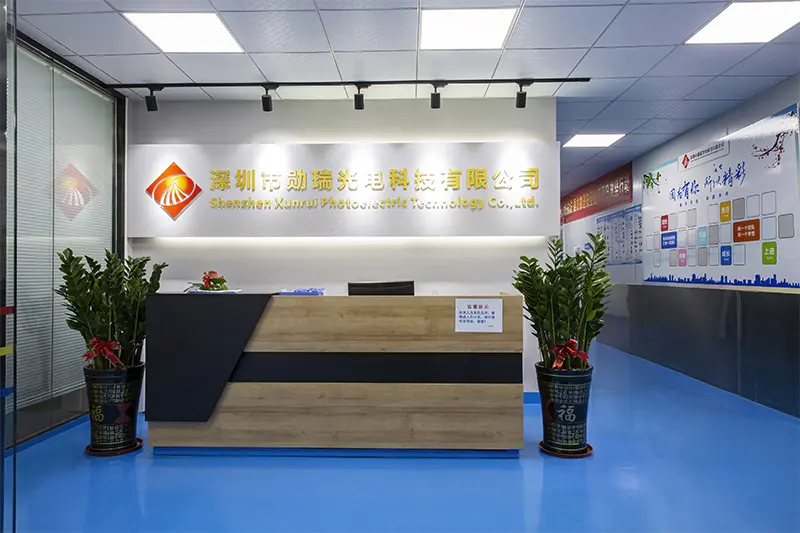
Founded in 2016, Shenzhen Xunrui Optoelectronics is a certified high-tech enterprise dedicated to the research, development, production, and distribution of liquid crystal display modules (LCM). Over the years, we have specialized in addressing customized, complex, and highly differentiated industrial client requirements. Every year, Xunrui reinvests over 30% of its net profits directly back into R&D, ensuring our display technologies stay ahead of global standards.
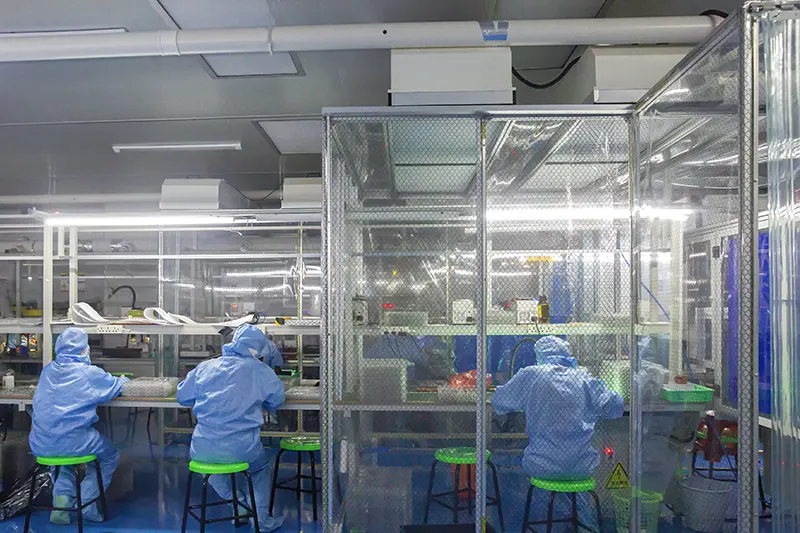
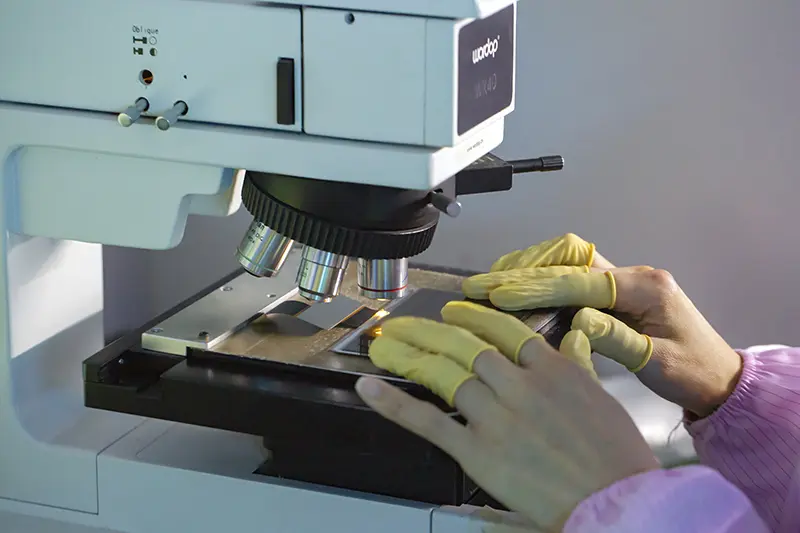
Equipped with advanced optical bonding systems, automated COG/FOG bonding lines, and rigorous cleanroom systems, our team handles production for global OEMs, offering long-term lifecycle support and engineering expertise.
 One-stop custom display engineering & manufacturing High-reliability industrial-grade product lines Advanced automated FOG & COG bonding equipment Direct OEM & ODM project integration with technical support
From custom cable routing to ultra-bright backlights for outdoor use, we configure every module parameter to match your system design.
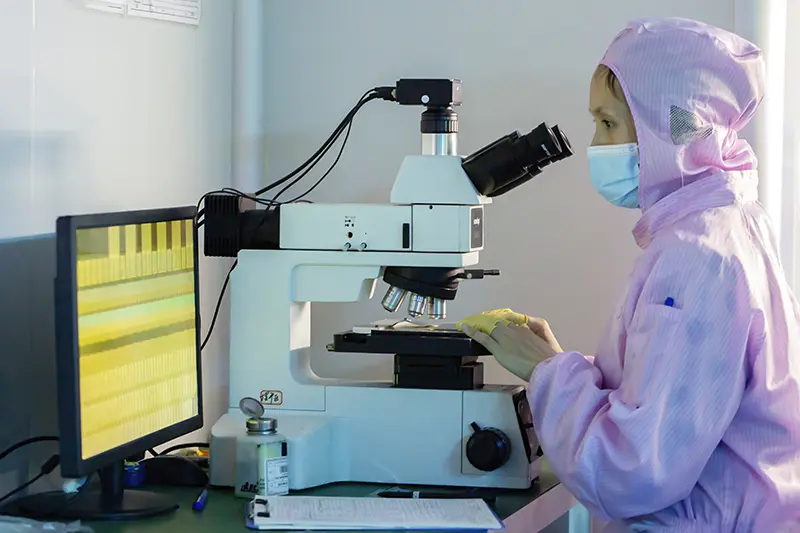
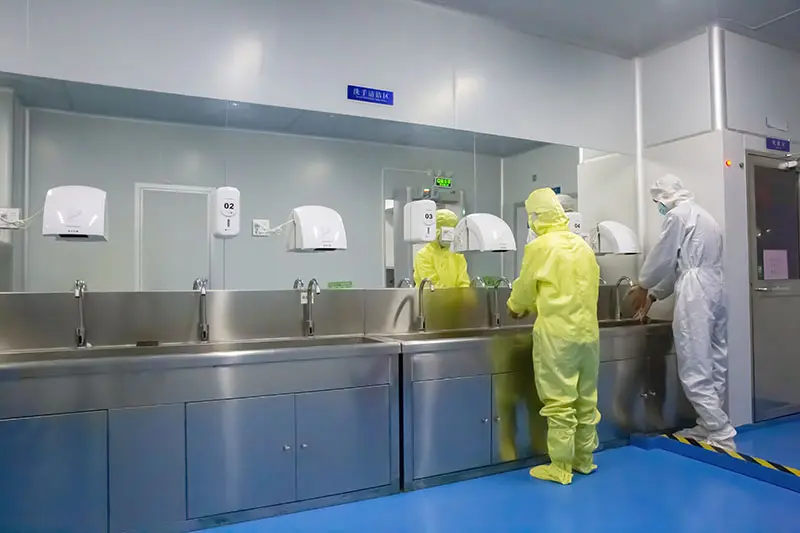
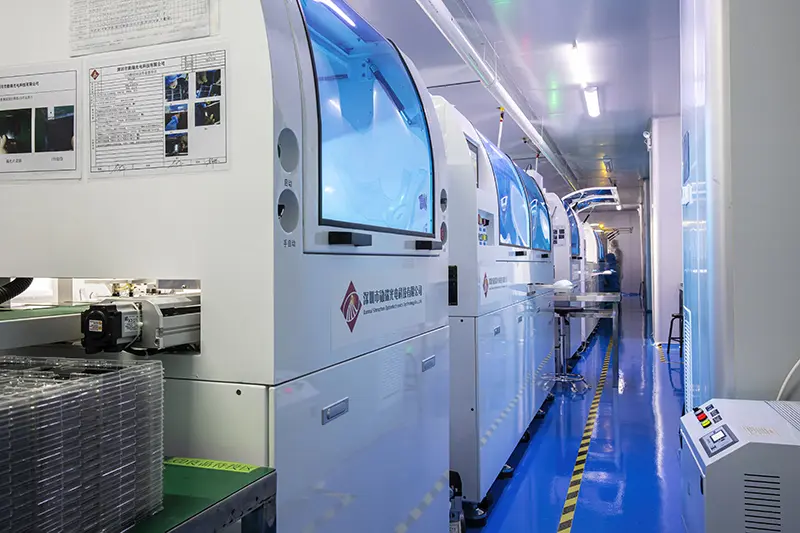
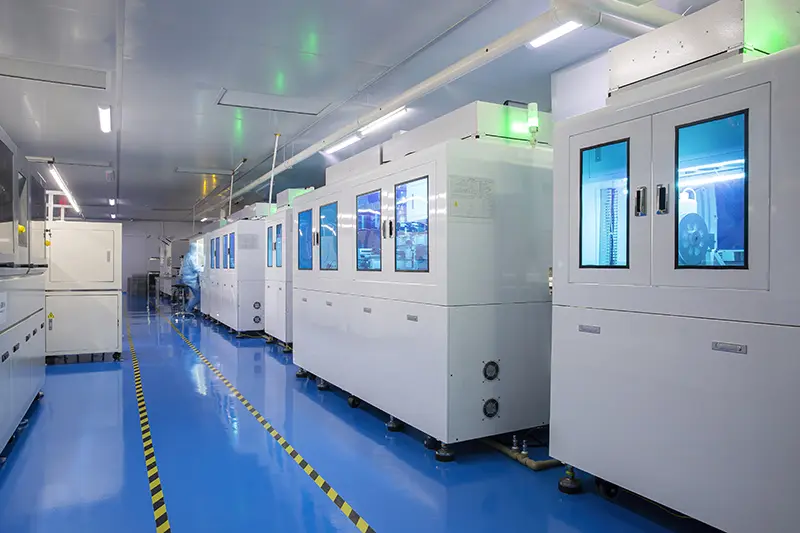
Global procurement teams face challenges with supply chain stability, logistics, and cost control. Sourcing directly from Shenzhen Xunrui’s 5,000-square-meter facility allows global enterprises to leverage China’s premier display manufacturing hub. The Pearl River Delta hosts the world’s most integrated electronics cluster, providing immediate access to raw glass, driver ICs, LED backlight elements, and custom touch controllers. This integration minimizes production lead times and insulates clients from broader global material shocks.
Xunrui maintains direct commercial relationships with top-tier glass manufacturers, including BOE, Innolux, HannStar, and InfoVision. This allows us to secure allocation priority for parent sheets, maintaining stable pricing even during high market demand. By bypassing intermediary trading networks, we pass cost savings directly to our international clients, offering OEM/ODM display solutions without compromising on components.
In industrial-grade systems, the total cost of ownership goes beyond the initial unit price. It includes cost factors like defect rates, long-term stability, and compatibility issues. Xunrui addresses these concerns by sourcing name-brand industrial components (such as FocalTech, Goodix, and ILITEK touch controllers) and using automated bonding lines. This reduces field failures and avoids the high costs associated with warranty repairs and product recalls.
Immediate access to local driver ICs, high-efficiency FPCs, and premium OCA optical adhesives reduces production turnaround times.
Direct supply contracts with major raw glass foundries (BOE, Innolux) ensure continuous supply and high cosmetic quality.
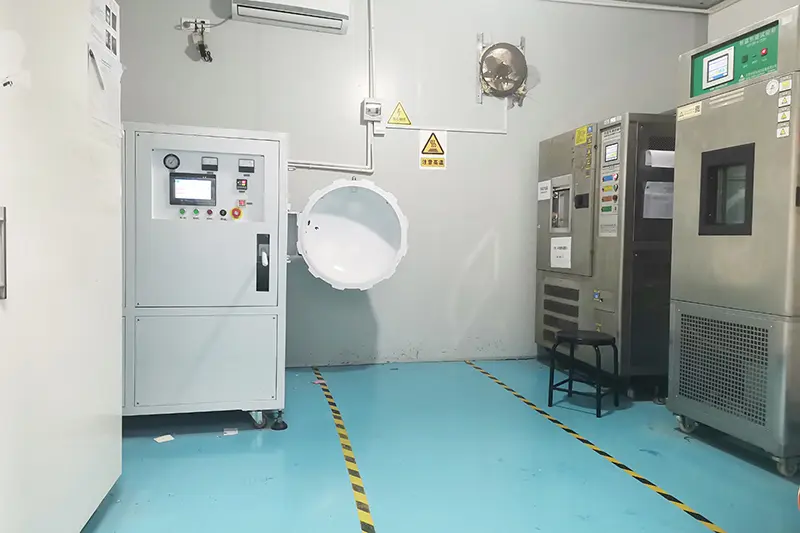
Our localized research lab and test stations enable us to turn custom FPC layouts and display mockups around in 2 to 3 weeks.
Operating with a long-term vision, we pair engineering capability with corporate integrity to build mutually beneficial partnerships.
Craftsmanship spirit forges products, and virtuous character builds careers. Let partners win together and promote social progress.
Full participation, meticulous research and development, continuous improvement, and sincere customer service.
Enhance quality, create brands, realize value, and achieve win-win cooperation with international buyers.
Customer-centric approach, ensuring long-term product satisfaction while adhering to quality first and continuous innovation.
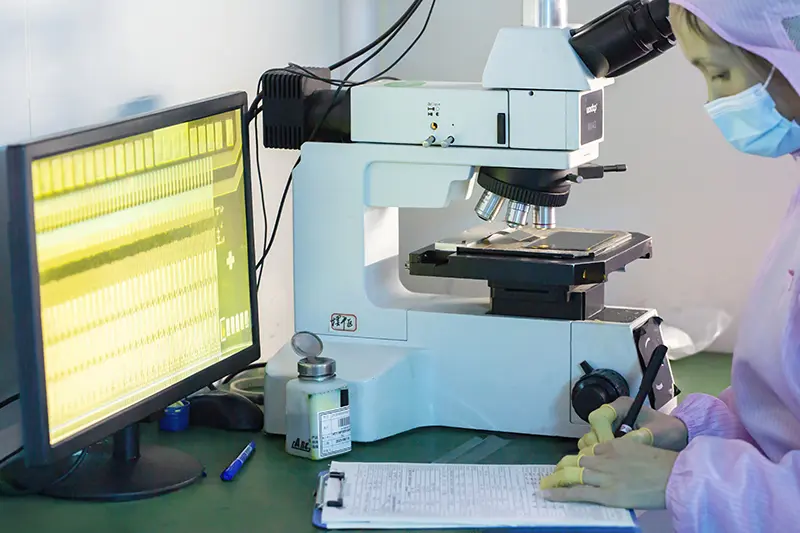
Industrial LCDs operate in challenging environments, exposed to heat, humidity, vibration, and electrostatic discharge. To ensure reliable performance under these conditions, Shenzhen Xunrui enforces a multi-tiered quality testing regimen across all production runs.
Our quality assurance workflow covers five critical stages to monitor panel integrity and signal quality:
10.1-inch LCD modules are utilized in diverse regions and environments, each demanding compliance with specific safety and regulatory standards. Xunrui designs and manufactures displays that meet global requirements, including **CE, FCC, RoHS, and REACH**, ensuring smooth integration into products bound for European and North American markets.
We tailor our 10.1-inch display modules to meet the unique performance requirements of different target industries:
Our manufacturing and quality systems are audited to ensure consistent production quality for every production run.
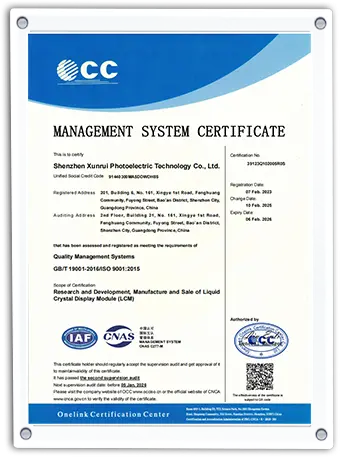
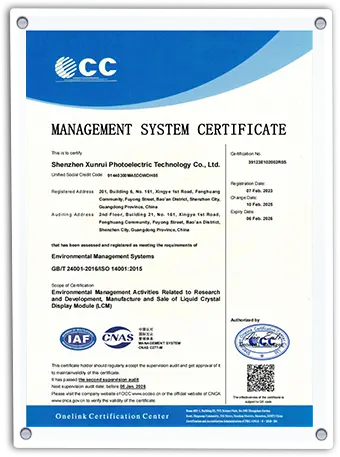
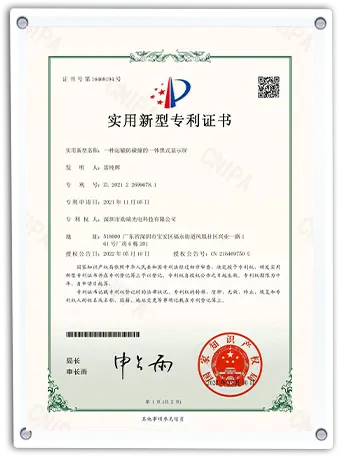
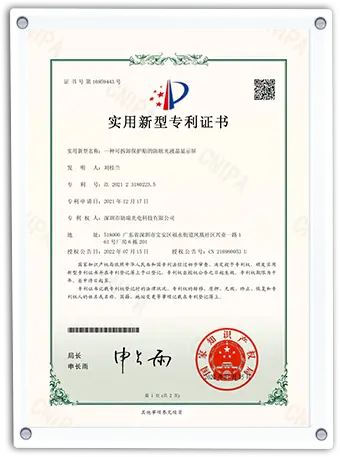
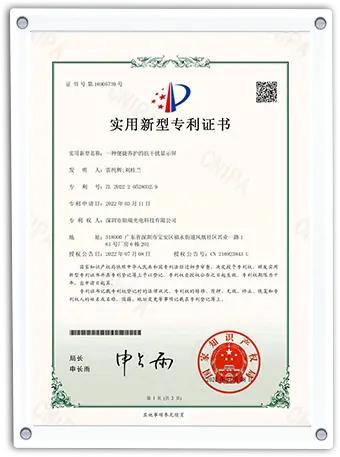
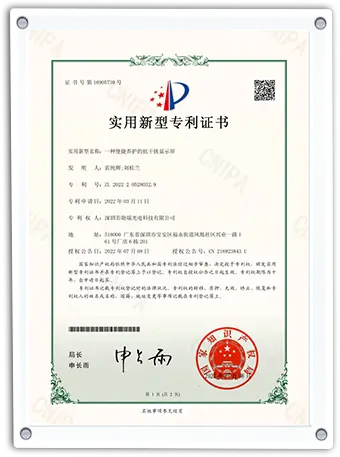
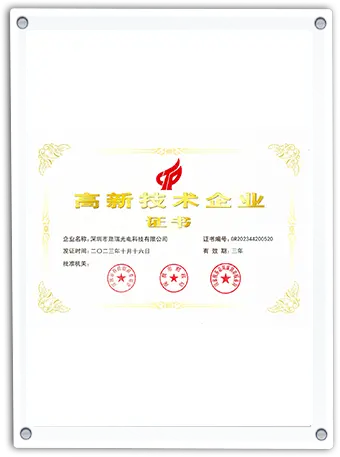
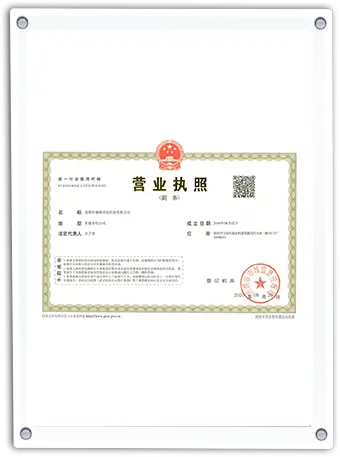
Industrial display requirements are moving toward higher optical efficiency, richer integration, and improved ruggedness. Keeping pace with these shifts requires continuous investment in research and development.
Mini-LED arrays are replacing traditional edge-lit configurations in high-reliability applications. By using thousands of miniature blue LEDs grouped into local dimming zones, displays achieve higher contrast ratios and HDR capabilities, making them suitable for critical diagnostic environments like medical imaging.
Optical bonding fills the air gap between the LCD panel and the touch sensor with a refractive-index-matched resin or optical adhesive sheet. This reduces ambient light reflection from 8% down to less than 0.5%, significantly improving sunlight readability, display contrast, and mechanical shock resistance.
Modern capacitive touch panels use mutual-capacitance layouts with high signal-to-noise ratios. This enables accurate touch detection through protective cover glass up to 6mm thick, and protects the system from electrical noise in industrial settings.
Technical answers to common questions raised by hardware designers and procurement specialists during display integration.
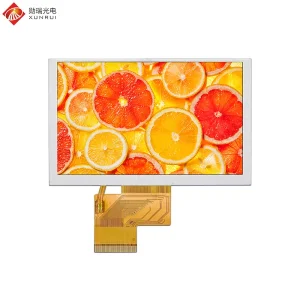
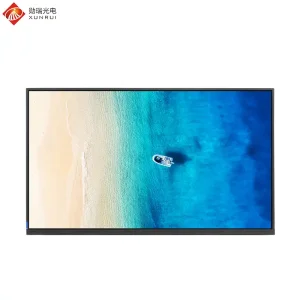
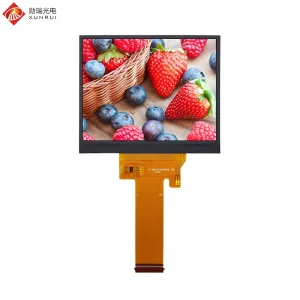
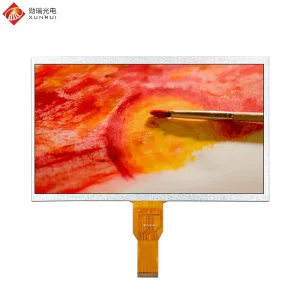
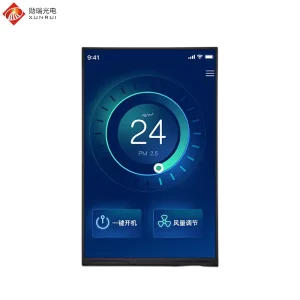
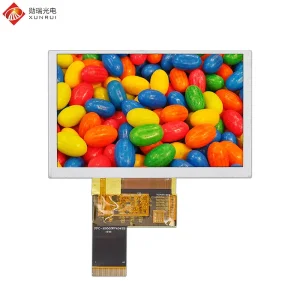
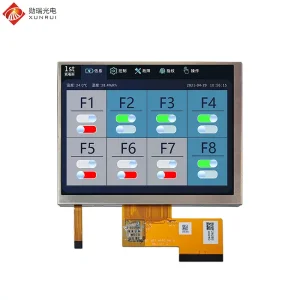
Explore more high-reliability display options, featuring wide viewing angles, high brightness levels, and flexible touch screen configurations.
 Xunrui Display